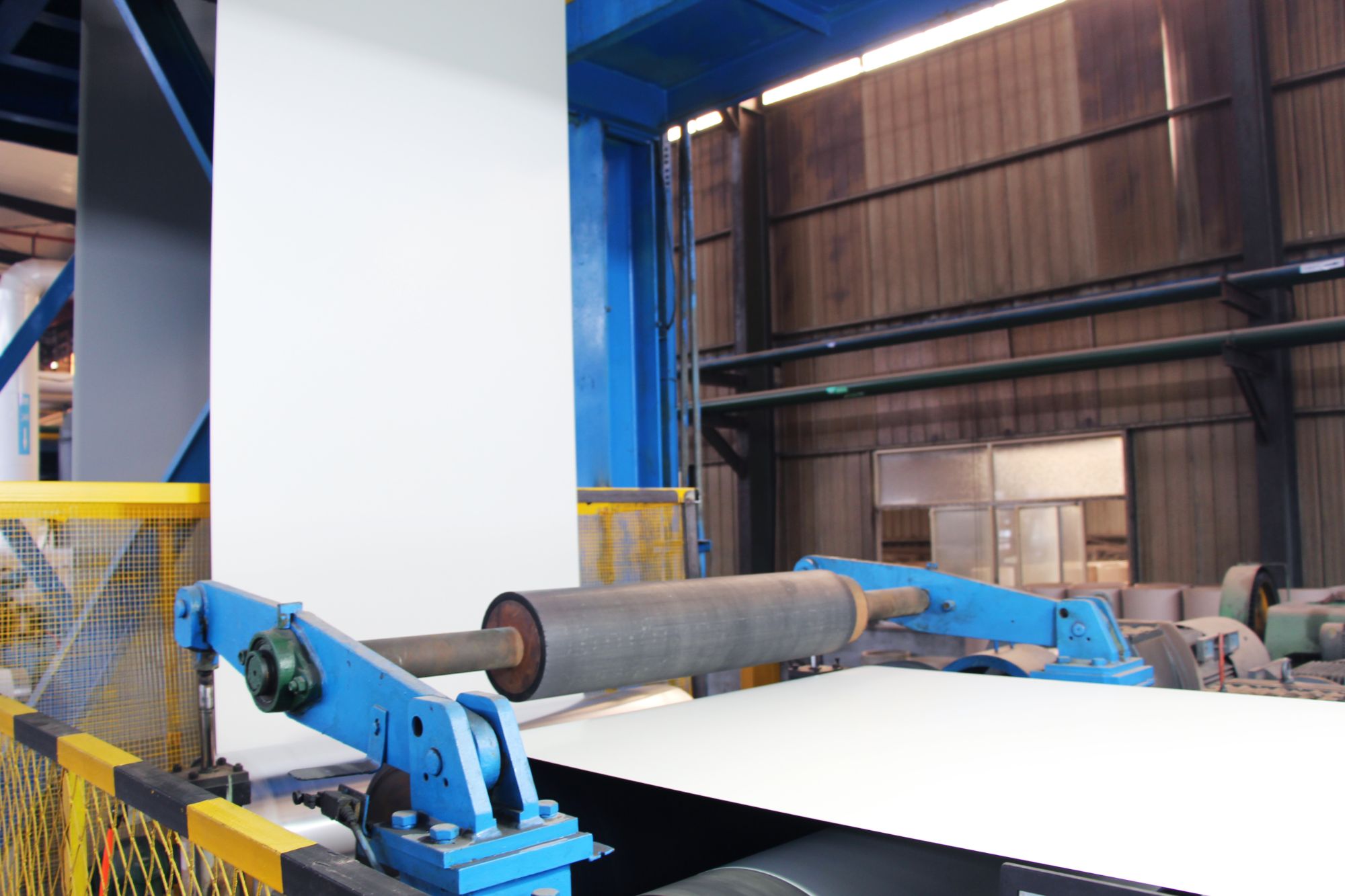
Most exterior coatings start to fade and fail after a few harsh seasons. PVDF PPGI is a different story—it resists UV, rain, and temperature swings far better than standard options. Yet not all PVDF products are equal, and that's where many buyers get stuck. This piece looks at LANYUN, a brand that takes weather resistance and color stability further than most. You'll see what sets its coatings apart—the way pigments are chosen, how the finish holds under years of direct sunlight, and why it stands up to industrial and coastal environments alike. There's also a closer look at real-world performance, including how the coating maintains gloss and adhesion long after cheaper alternatives have turned chalky or dull. If you're comparing steel roofing or wall panels and want something that will still look right a decade from now, these details are worth your time.
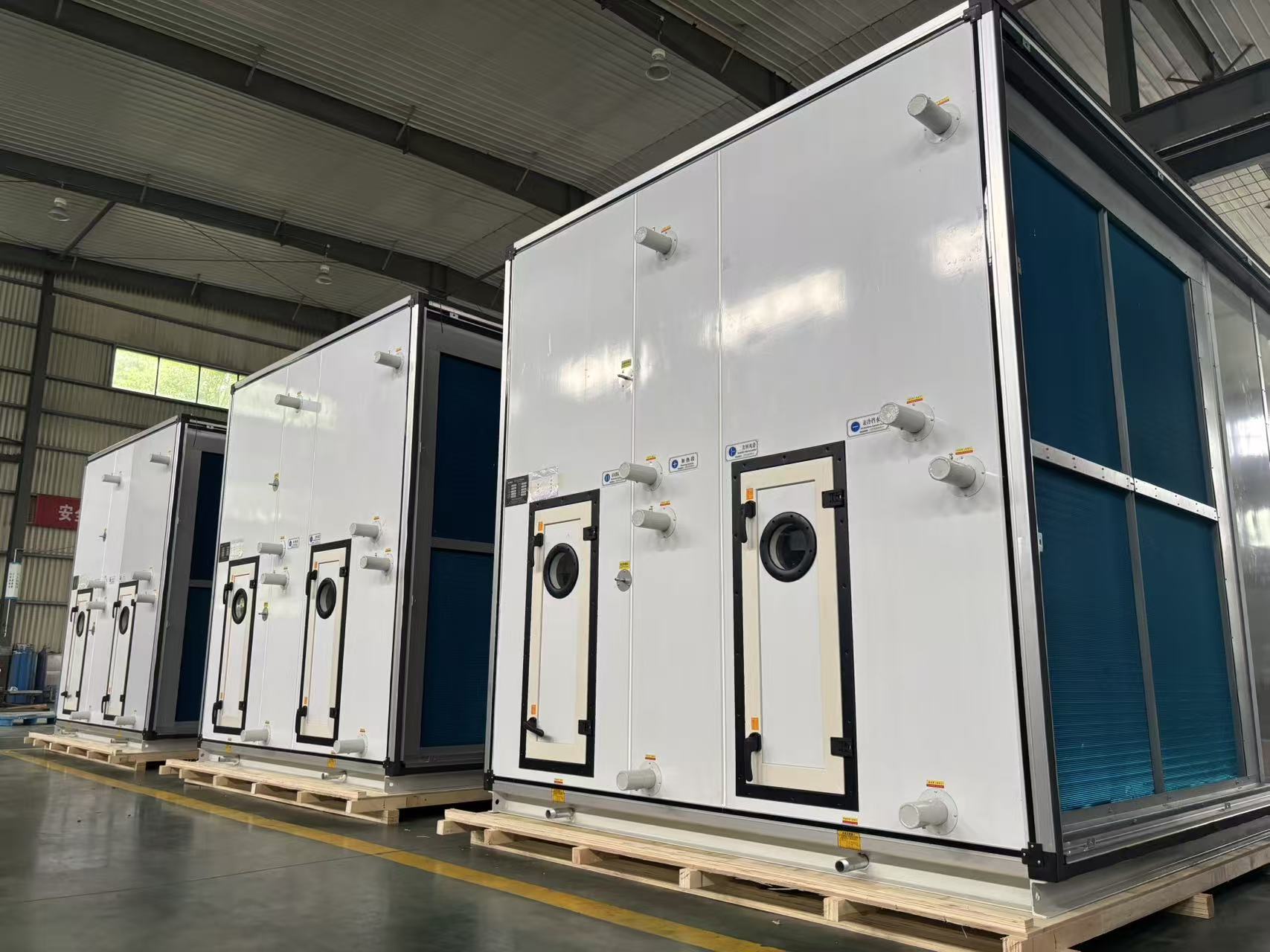
Choosing the right air handling unit supplier gets reduced to comparing fan curves, coil configurations, and static pressure ratings. But the real test comes later, when the system is running in your building, responding to humidity swings, filter loading, and partial-load conditions. The difference between a vendor who delivers consistent performance and one who simply hands you a spec sheet isn't always obvious at the bid table. That's why a practical checklist matters. It shifts the focus from catalog numbers to the questions that predict long-term reliability: How does the supplier handle commissioning? What support exists after installation? Are their selections based on actual operating points rather than theoretical peaks? This guide walks through those criteria, drawing on lessons from real projects where the wrong choice led to constant airflow complaints and costly retrofits. The aim: help you spot partners who take ownership before the first unit arrives on site.
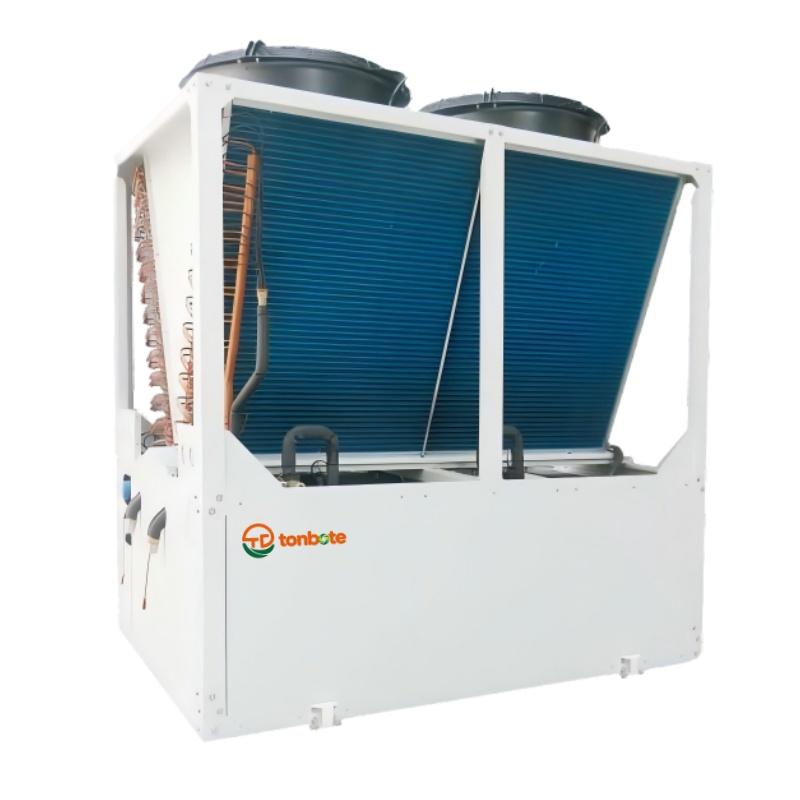
Ask a hotel engineer in China what keeps them awake, and it is rarely the chiller plant itself. The real drain is the invisible energy waste baked into daily HVAC operation, from Harbin's deep freeze to Guangzhou's humid heat. This piece looks at how Tongbaote helps hotel teams reframe that problem, turning routine operational fixes into double-digit savings without big capital spending. The standout lies in its focus on speed: the strategies highlighted are the ones that show up fastest on the utility bill. Rather than dry theory, readers get field notes from real projects, with an emphasis on adjustments that protect guest comfort while trimming waste. It is a sharp, grounded look at where hotel energy budgets actually leak, and how to stop the bleeding quickly. For hotels chasing lower operating costs without sacrificing service quality, this is the right place to start.
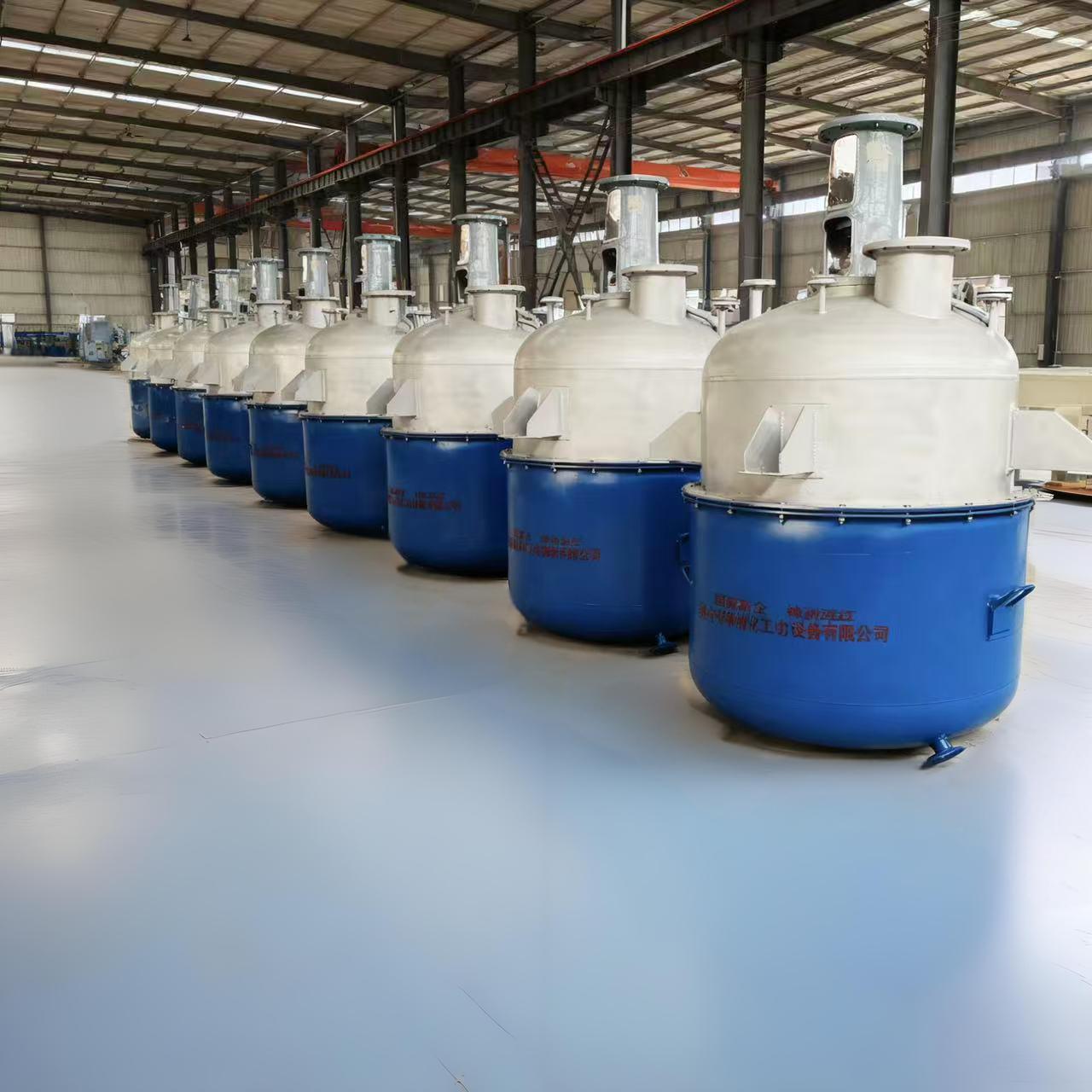
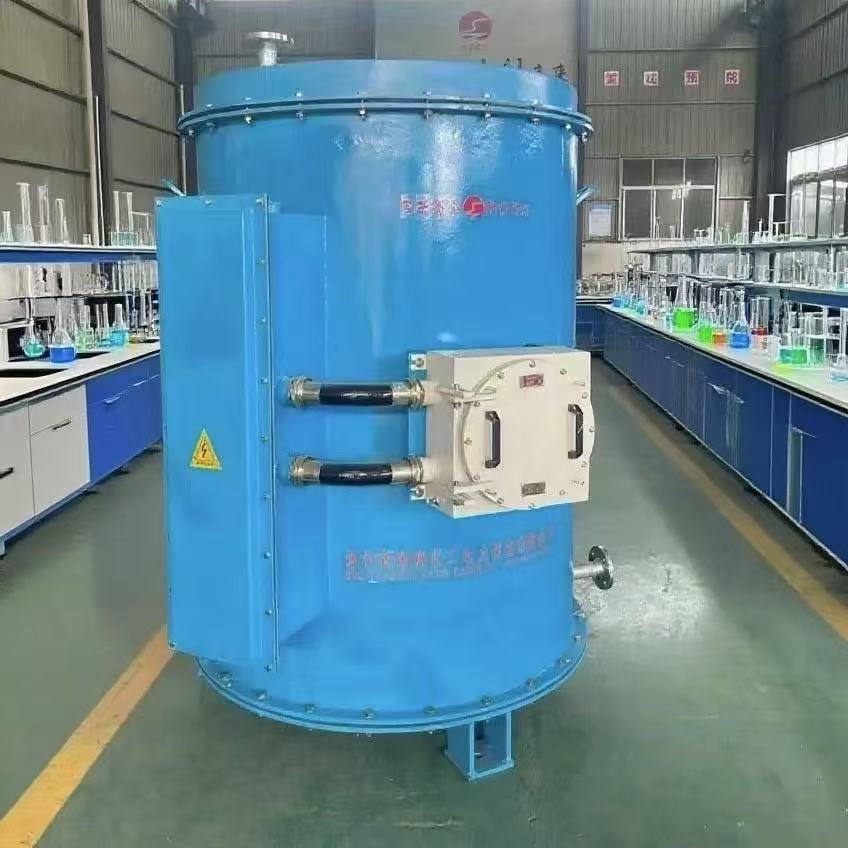
Importing explosion-proof reactor heaters is not a routine purchase; it is a decision that can shut down a plant, trigger compliance failures, or put workers at risk. Industrial buyers face a dense thicket of certifications, material specifications, and supplier claims—often with little room for error. This guide strips away the noise and zeroes in on the factors that actually determine whether a heater will perform under demanding conditions, from high temperatures and corrosive media to strict hazardous-area rules. It also shows why a growing number of procurement teams are turning to Shenzhou Chemical Industry for heaters that hold up under real operating pressure—not just in catalogs. Instead of generic advice, you’ll get straightforward, field-informed guidance to help you source with clarity and avoid costly missteps. For procurement professionals who can’t afford trial and error, this is the kind of clarity that pays off long after the purchase order is signed.
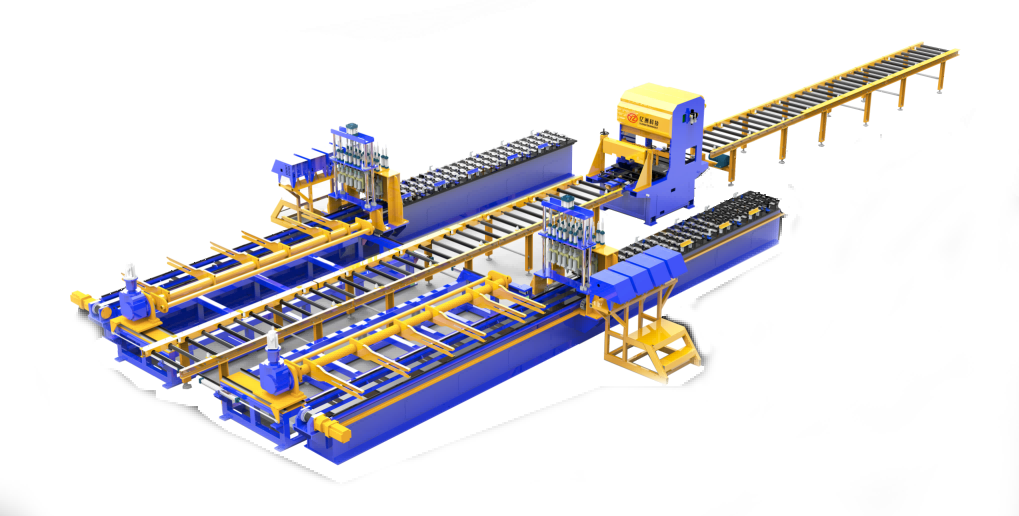
A steel truss welding line collapse mid-project costs far more than downtime—it erodes trust, deadlines, and safety. The real differentiator isn't a spec sheet but whether your manufacturer acts as a true partner who understands hidden production variables. This piece cuts through sales language and zeroes in on what actually keeps a line running. It draws on Yi Zhou Technology's years of turning complex truss welding problems into repeatable, stable systems, showing why reliability comes from hard-won experience rather than polished marketing claims. Before you sign, you'll be pushed to ask a sharper question: does your supplier truly grasp the subtle failure points that can quietly derail output? Expect practical insights over jargon—no fluff, just the factors that separate a costly mistake from a lasting investment. If you're evaluating suppliers or planning an upgrade, this guide gives you a clear-eyed framework to make the right call before it's too late.
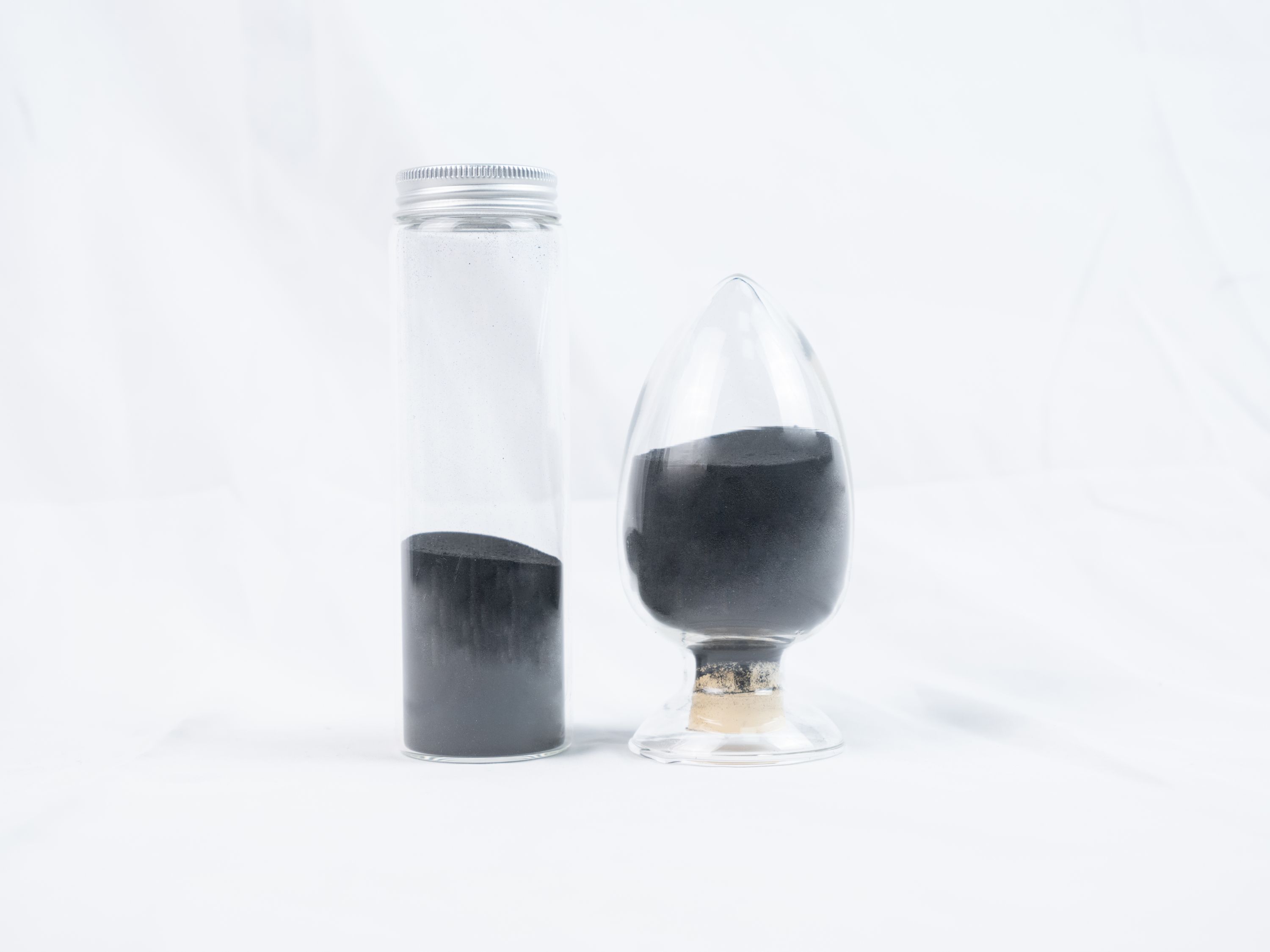
Few ultra-hard ceramics earn the same level of trust as boron carbide powder. Its extreme hardness, low density, and neutron-absorbing capability make it essential in defense, nuclear, and industrial manufacturing. However, performance varies widely from one batch to the next—particle size consistency and chemical purity often determine whether a material meets strict specifications. HUAYI TECH has focused on closing that gap. The China-based supplier delivers boron carbide powder engineered for demanding environments, where uniformity and purity are not optional. This article examines the material's core uses and the practical benefits behind its growing adoption. From armor systems to nuclear shielding, readers will see why advanced manufacturers treat this powder as a strategic material rather than a commodity. With quality control at the center, HUAYI TECH offers a reliable option for teams that cannot afford variability.
Custom electric heaters are often reduced to a single number—wattage—but that misses the bigger picture. True performance comes from aligning thermal behavior with your specific process, not forcing your process to adapt to an off-the-shelf design. This article explores why standard heaters frequently fall short in demanding applications and introduces Shenzhou Chemical Industry as an original manufacturer that builds heating elements from the ground up. The focus is on precise, repeatable control, which is critical when consistency and reliability are non-negotiable. Instead of settling for generic components, readers learn how custom engineering can match unique thermal profiles, prevent costly mismatches, and improve overall efficiency. The piece highlights what to consider before your next project, from material selection to thermal response. It’s a practical read for engineers and buyers who need heating solutions that perform reliably under real-world conditions, not just on paper.
Sourcing boron carbide is not a task where you can afford to learn by trial and error. A single off-spec batch can compromise armor integrity or shut down a production line, yet many procurement teams still rely on superficial supplier checks that miss the real risks. This guide replaces guesswork with a structured vendor due diligence checklist grounded in field-tested manufacturing experience. It unpacks the technical criteria that matter most for B4C reliability—particle size distribution, batch-to-batch consistency, impurity control, and process repeatability—and shows how to verify each one before signing a contract. Readers also learn which red flags indicate a supplier who may look cheaper on paper but will cost far more in scrap, downtime, and rejected materials. The result is a clear framework for separating true technical partners from vendors who simply pass a basic qualification form. If consistent ceramic performance is critical to your application, this is the due diligence process you should have in place before the next purchase order.