

Why Do So Many Hydraulic Systems Fail Without the Right Hydraulic Seals?
2026-03-13
When engineers discuss hydraulic reliability, conversations often focus on pumps, cylinders, and pressure ratings. In my experience working with manufacturers and maintenance teams, the true weak point is often something much smaller: the sealing system. During recent collaboration with Qingdao Micro Precision Machinery Co., Ltd., I saw how carefully engineered Hydraulic Seals can dramatically improve system stability, reduce leakage, and extend equipment lifespan across industries such as construction machinery, mining, agriculture, and industrial automation.
From field maintenance teams to OEM design engineers, many professionals face the same question: why do hydraulic systems that appear well designed still suffer from oil leakage, pressure loss, and premature wear? The answer frequently lies in seal material selection, structural design, and manufacturing precision.
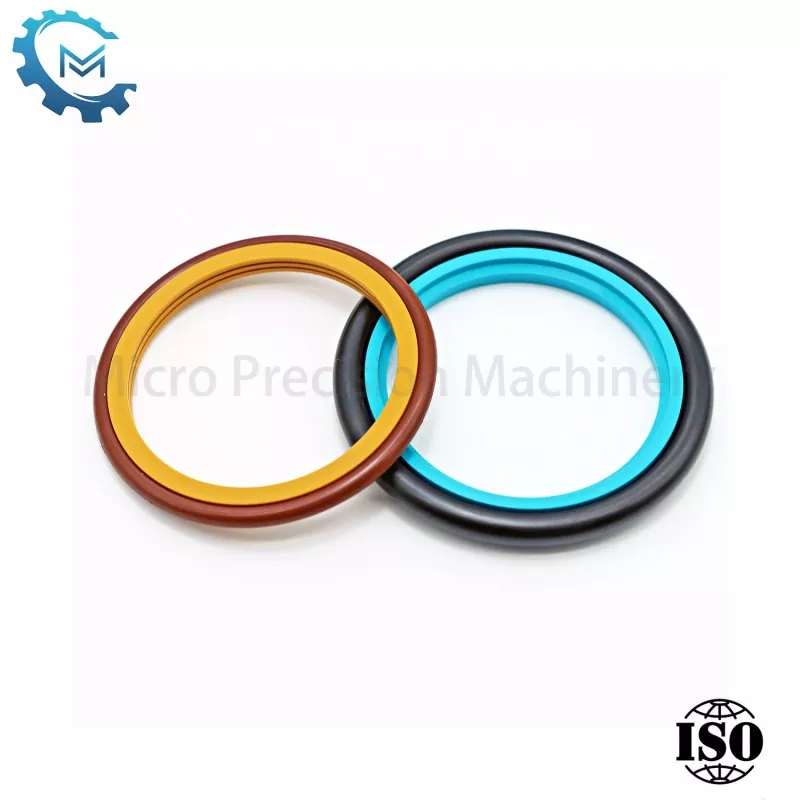
Why Do Hydraulic Systems Depend So Much on Reliable Hydraulic Seals?
A hydraulic system relies on pressurized fluid to generate power. If pressure escapes, efficiency drops immediately. That means the performance of Hydraulic Seals directly affects equipment productivity, safety, and maintenance costs.
In my work with hydraulic equipment operators, I repeatedly see several core roles that seals must perform:
- Maintain internal pressure within cylinders and pumps
- Prevent hydraulic fluid leakage
- Block contamination such as dust and debris
- Reduce friction between moving components
- Extend the service life of critical equipment
Without well-designed Hydraulic Seals, even the most advanced hydraulic cylinder cannot perform consistently under demanding operating conditions.
Why Do Many Hydraulic Seals Fail Earlier Than Expected?
Many buyers assume all seals perform similarly, but the reality is far more complex. Poor sealing performance usually results from a combination of engineering factors.
Through discussions with hydraulic system integrators, I commonly identify the following causes:
- Incorrect material selection for temperature or fluid compatibility
- Insufficient resistance to high pressure or extrusion
- Improper groove design or installation practices
- Low dimensional precision during manufacturing
- Exposure to contamination or abrasive environments
This is why manufacturers such as Qingdao Micro Precision Machinery Co., Ltd. focus heavily on precision production and material engineering when developing Hydraulic Seals suitable for demanding industrial applications.
Which Types of Hydraulic Seals Are Most Commonly Used in Industrial Equipment?
In real hydraulic systems, sealing solutions rarely rely on a single component. Instead, multiple seal types work together to maintain pressure and protect the system.
| Seal Type | Main Function | Typical Application |
| Piston Seals | Maintain pressure between cylinder chambers | Hydraulic cylinders in construction machinery |
| Rod Seals | Prevent fluid leakage along the piston rod | Excavators, presses, and lifting equipment |
| Wiper Seals | Remove dust and contaminants from rods | Outdoor heavy equipment |
| Guide Rings | Reduce friction and support moving parts | Industrial automation systems |
| Static Seals | Seal fixed components such as cylinder heads | Hydraulic pumps and valves |
Choosing the right combination of these Hydraulic Seals allows engineers to optimize pressure retention, durability, and energy efficiency.
How Do Advanced Materials Improve Hydraulic Seal Performance?
Material science plays a critical role in sealing performance. During product development discussions with equipment manufacturers, material selection often determines whether seals survive extreme operating conditions.
Modern Hydraulic Seals may use several advanced materials depending on application requirements:
- Polyurethane for excellent wear resistance
- Nitrile rubber for strong oil compatibility
- PTFE compounds for low friction environments
- FKM materials for high temperature systems
- Composite materials for heavy-duty pressure resistance
Manufacturers with strong engineering capability invest heavily in compound formulation, ensuring seals maintain elasticity, strength, and dimensional stability even under long operating cycles.
How Can High-Precision Manufacturing Improve Seal Reliability?
Material alone cannot guarantee sealing performance. Dimensional accuracy and surface finishing play equally important roles.
When I evaluate seal suppliers for industrial equipment projects, I usually focus on several production capabilities:
- Precision CNC machining and mold manufacturing
- Strict tolerance control during molding processes
- Advanced inspection equipment for dimensional verification
- Stable raw material supply chains
- Consistent batch-to-batch production quality
Manufacturers that maintain these standards are better able to produce Hydraulic Seals capable of handling high pressure, dynamic movement, and harsh operating environments.
What Should Buyers Consider Before Choosing a Hydraulic Seal Supplier?
From a purchasing perspective, selecting a sealing partner requires more than comparing price. A reliable supplier helps reduce long-term operational costs by improving equipment durability.
When sourcing Hydraulic Seals, I usually recommend evaluating suppliers based on the following criteria:
| Evaluation Factor | Why It Matters |
| Engineering support | Helps match seals to real operating conditions |
| Material expertise | Ensures compatibility with hydraulic fluids |
| Production capacity | Guarantees stable supply for large projects |
| Quality inspection | Reduces risk of leakage or early failure |
| Industry experience | Improves understanding of application challenges |
These factors often determine whether the sealing solution performs reliably in long-term industrial use.
Are High-Quality Hydraulic Seals Worth the Investment?
From a lifecycle perspective, investing in reliable seals is far more economical than dealing with system downtime, oil leakage, and repeated maintenance.
In hydraulic equipment such as excavators, presses, and industrial lifting systems, a single failed seal can lead to production interruptions, safety concerns, and costly repairs. Choosing well-engineered Hydraulic Seals significantly reduces these risks.
If you are searching for durable sealing solutions that meet modern industrial requirements, working with experienced manufacturers can make a measurable difference in equipment reliability and performance.
If you would like to explore high-precision sealing solutions tailored to your hydraulic system, we welcome you to contact us for technical consultation or product inquiries. Our team is ready to help you select the most suitable Hydraulic Seals for your application.