

Wear Resistant Steel Plate Suppliers You Can Rely On for Heavy-Duty Applications
2026-09-16
Every hour of unplanned downtime in mining, construction, or material handling tells the same story: a worn-out liner or bucket edge that wasn't built for the punishment. That’s why choosing the right wear resistant steel plate supplier isn’t a procurement detail—it’s a performance decision. Jiangsu Baowu New Materials has earned a reputation for delivering plates that hold up under extreme abrasion and impact, helping heavy-duty operations stay on schedule. Here’s what to look for when reliability is non-negotiable.
What Actually Makes a Wear Plate Supplier Dependable
A dependable wear plate supplier won’t just quote you a spec sheet and disappear. They’ll ask about your specific abrasion conditions, impact levels, and even the temperature swings your equipment faces before recommending a grade. That kind of front-end questioning signals they care about fit, not just moving inventory.
Real reliability also shows up after the sale. The supplier should be able to tell you exactly which mill produced the plate, provide traceability for the alloy composition, and stand behind the hardness claims with test data rather than marketing language. If they dodge questions about hardness variance or wear life in real-world applications, that’s usually a warning sign.
Finally, watch how they handle logistics and timing. A dependable partner keeps buffer stock for common thicknesses, offers honest lead times instead of optimistic guesses, and doesn’t treat a rush order as an excuse to cut corners on packaging or documentation. Consistency in these unglamorous details is often the clearest signal you can trust them for the long haul.
Matching Plate Hardness and Alloy Content to Your Abrasion Conditions
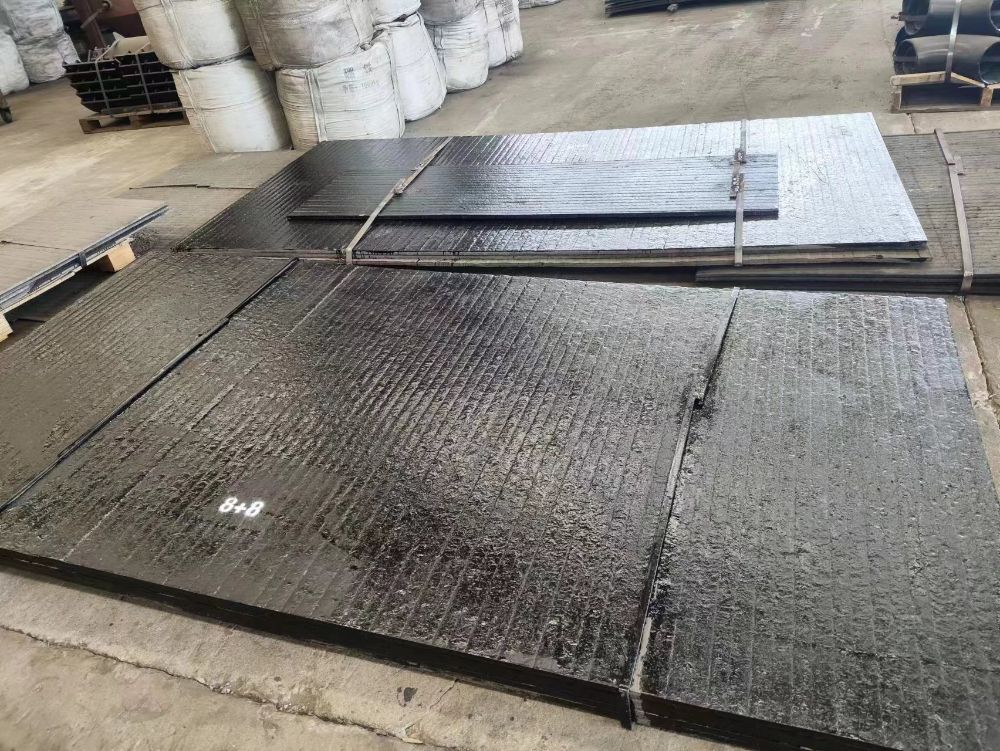
A common mistake is treating plate hardness as a simple wear-resistance dial. In low-stress scratching or sliding abrasion with fine, hard particles, a lean alloy plate with a high quenched hardness can work well because the main requirement is resisting micro-cutting. But introduce impact, gouging, or heavy crushing, and that same hard, brittle plate may spall or crack. The real question is how the material loses mass: is it being shaved, deformed, or broken out in chunks?
Alloy content matters most when the wear environment adds heat, moisture, or repeated shock. Chromium and molybdenum form hard carbides that help under grinding abrasion, but if corrosion or acid is also present, a stainless-type overlay or higher nickel content may extend life more than another 50 Brinell points. Conversely, vanadium or titanium additions refine grain structure and improve edge retention in thin sections. Matching the dominant failure mode—not just the abrasive hardness—lets you avoid paying for alloy levels that never get fully utilized.
Questions Worth Asking Before You Commit to a Wear Plate Source
Price gets all the attention, but that's rarely where the real risk hides. Ask the supplier to name a job they walked away from—and why. If they pause too long, you're likely dealing with a distributor who has never set foot on a failed liner. A dependable source can tell you about the application where their standard plate didn't hold up, and what they changed as a result. That kind of honesty matters more than a glossy brochure.
Dig into traceability before you sign anything. Can they tie every heat back to the mill certificate without scrambling? What's their actual rejection rate on incoming plate, not the theoretical number from a quality manual? You want a supplier who keeps full batch records through cutting and forming, because once a liner fails underground or inside a chute, guessing about the chemistry is expensive. Ask them to walk you through a recent non-conformance report—how it was caught, and how fast the replacement shipped.
Finally, pressure-test their support after the invoice clears. Will an engineer actually visit your site to look at wear patterns, or are you stuck emailing photos to a voicemail? Ask how many field failures they've analyzed in the past year, and whether that data feeds back into their product line. A supplier that only reacts to problems instead of hunting for them isn't really a source—it's just a warehouse with a phone number.
How the Best Suppliers Handle Thickness Tolerances and Flatness
Top-tier suppliers don’t treat thickness tolerances as a fixed spec printed on a data sheet. They map variation across the entire coil or sheet, often with inline laser or X-ray gauges, and flag any drift before it reaches the shear. When a mill’s nominal thickness runs near the upper or lower limit, they adjust downstream processes or isolate that lot instead of hoping the forming operation absorbs the difference.
Flatness gets the same close attention. The best shops know that residual stress from slitting or leveling can bow a part hours after it’s cut. They run controlled stress-relief passes and use precision levelers with adjustable work rolls, measuring flatness at multiple points rather than relying on a quick visual check. The goal isn’t just passing incoming inspection but making sure the material stays flat through punching, bending, and welding.
What really separates them is communication. Instead of promising a single “standard” tolerance, they ask how the part will be processed and where thickness or waviness actually causes problems. That lets them recommend a realistic range and, when needed, hold tighter control on the areas that matter while allowing more latitude elsewhere. This kind of selective precision avoids overpaying for tolerances that don’t affect the finished part.
Wear Resistant Steel in Mining, Quarrying, and Heavy Recycling
In a primary crusher feed chute, the steel liner takes a beating from thousands of tonnes of granite every shift. The rock doesn't care about your maintenance schedule, and a generic AR plate will often washboard or crack within weeks. Choosing a 400 HB wear steel with good low-temperature toughness keeps the liner in place longer and lets you plan replacements instead of reacting to surprise failures.
Heavy recycling yards face a different kind of abuse: mixed scrap, concrete rubble, and tramp metal all hit the same hammer mill or shear. Here, the material needs to resist both high-velocity impact and abrasive sliding. A quenched and tempered grade around 450–500 HB works well for grizzly bars and anvils, but welding repairs demand careful preheat and low-hydrogen consumables, otherwise the heat-affected zone becomes a weak spot that spalls under load.
The smartest operators don't just chase hardness numbers. They map wear patterns on excavator buckets, truck beds, and conveyor transfer points, then match the plate grade to the specific wear mechanism. In some quarry screens, a 500 HB plate outperforms a 600 HB plate because the tougher microstructure resists micro-cracking from constant vibration. That kind of field-level judgement saves money far better than buying the highest number on the spec sheet.
Cutting, Logistics, and Delivery Standards That Keep Heavy-Duty Jobs Moving
Heavy-duty work demands standards that don't bend when the pressure climbs. Cutting, logistics, and delivery form a chain where one weak link stops the entire job. The best teams treat each step as non-negotiable: precise cutting that matches the spec on the first pass, logistics that know the difference between a shortcut and a smart route, and delivery windows that respect what's at stake on site.
The real difference shows up in the small calls. A cut that saves an awkward weld later. A truck loaded so nothing shifts on a rough haul. A dispatcher who tells the truth about arrival time instead of promising the impossible. These aren't flashy moves. They're the quiet habits that keep projects moving when other crews are still waiting on parts.
When every standard holds, the job feels almost boring from the outside. No rework. No idle cranes. No one standing around asking where the steel went. That's the goal: heavy-duty work that runs so smoothly it looks simple, even though it's built on rules most people never see.
FAQ
A dependable supplier needs consistent hardness across batches, documented test results, and the ability to provide plates in the thicknesses and widths your equipment demands. Check whether they stock common grades like AR400 or AR500 and can handle custom cutting without delaying your schedule.
The high hardness, typically 360 to 500 HBW, allows the plates to absorb impact and resist sliding abrasion from rocks, sand, and other aggregates. Instead of wearing through mild steel in weeks, properly specified plates keep buckets, liners, and chutes working for months longer, reducing downtime and replacement labor.
For severe sliding wear with moderate impact, AR450 or AR500 plates usually perform well. If the application involves heavy impact rather than pure abrasion, a lower hardness grade like AR400 or even a high-strength structural steel with good toughness may be a better fit because extremely hard plates can crack under repeated shock loads.
Yes, but it requires more care than mild steel. Preheat and interpass temperature control are essential to avoid cracking in the heat-affected zone. Machining is possible with carbide tooling and slower speeds. A knowledgeable supplier can provide welding and cutting guidelines specific to the grade you purchase.
Look for mill test reports that show chemical composition, hardness values, and impact test results when applicable. Batch traceability matters too. If a plate fails early or behaves unexpectedly, you need to trace it back to the original heat and confirm it meets the specification you paid for.
Equipment downtime is costly, so a supplier with deep inventory in multiple thicknesses can ship quickly and keep your repair timelines short. Some suppliers also offer pre-cut shapes or kits for common wear parts, which reduces fabrication time on your end and gets machinery back into service faster.
Yes. Two plates can both be labeled AR400, but their chemical composition, microstructure, and through-thickness hardness may differ. This affects formability, weldability, and actual wear performance. Testing or reviewing independent wear trial data can help distinguish a plate that simply meets the hardness number from one that performs consistently in the field.
Cheaper plates often end up costing more if they wear faster, crack during fabrication, or require unexpected rework. Calculate the cost per hour of service rather than just the price per ton. A slightly more expensive plate with better through-hardness and documented consistency can reduce replacement frequency and total operating expense.
Conclusion
Reliability in a wear plate supplier shows up long before the first plate arrives. It starts with the willingness to match hardness and alloy content to the actual abrasion conditions on your site, not just to hand over a generic data sheet. A dependable source will talk through sliding wear versus high-impact gouging, and adjust recommendations accordingly, because 400 HB plates behave very differently from 500 HB plates under mixed loads. That same supplier also keeps thickness tolerances and flatness under tight control, which matters more than many buyers expect. When you cut, form, or weld these plates, minor deviations can create alignment problems or add hours of rework. The best suppliers can tell you exactly how flat a plate will remain after profiling and how consistent the hardness will be across the full sheet, not just at the test coupon.
Before committing to a source, ask about the questions that reveal true capability: How do they handle batch-to-batch chemistry variation? What tolerance do they guarantee on thickness at the edges versus the center? Can they share references from mining, quarrying, or heavy recycling operations similar to yours? In these environments, wear plates face constant abrasion from rock, ore, and scrap, so the wrong grade means premature failure and unplanned downtime. Finally, logistics and cutting standards decide whether a heavy-duty job stays on schedule. A supplier that offers precision cutting, maintains realistic lead times, and delivers with proper handling and documentation saves you more than money—it keeps your whole operation moving. That combination of technical depth, honest answers, and practical delivery support is what makes a wear plate supplier genuinely reliable.
Contact Us
Contact Person: Zoe Liang
Email: [email protected]
Tel/WhatsApp: 86 189 2128 6299
Website: https://www.baowuchina.com