

UVLED Inkjet Printer Manufacturer Leads Sustainable Printing Solutions
2026-06-02
The printing world is shedding its eco-guilt, and a quiet revolution is underway. At the heart of this shift? UVLED inkjet technology—led by innovators like Danmajet, a manufacturer redefining efficiency with every drop. Forget harsh chemicals and energy-hungry dryers; here, sustainability isn't an afterthought. It's built into the printhead. As demands for green production intensify, Danmajet's solutions are proving that high-speed, vibrant output and planetary care can share the same press room. This isn't just a trend; it's the future of printing, sequenced in UV light.
How UVLED Inkjet Technology Changes the Game
Conventional drying methods in digital printing often slow down production, demanding extra space, time, and energy to cure inks. UVLED inkjet flips this script entirely. Instead of relying on heat or solvent evaporation, it uses low-temperature ultraviolet light to instantly harden specially formulated inks on contact. This near-instant curing not only accelerates throughput but unlocks the ability to print on substrates that would warp, melt, or degrade under traditional heat-based systems. Suddenly, materials like thin plastics, heat-sensitive films, and even textured surfaces become viable canvases, broadening what a printer can offer without slowing the line.
Beyond speed and material versatility, the technology introduces a leap in print consistency and detail. Since the ink solidifies immediately, there’s no risk of dot gain or spreading on absorbent stocks. Fine text, intricate patterns, and high-opacity whites stay razor-sharp regardless of the surface porosity. This precision translates directly into less waste—fewer misprints, less setup scrap—and eliminates the need for extensive drying racks or climate-controlled holding areas. For short-run customization or industrial-scale output, the predictability of UVLED curing means the first print is often the keepable one.
Then there’s the overlooked environmental and operational upside. Without volatile organic compounds evaporating from the ink, the print environment stays safer and odor-free, reducing ventilation demands. The LED arrays themselves last tens of thousands of hours and consume less electricity than arc-lamp alternatives, while generating minimal heat. This combination of lower energy draw, instant on/off capability (no warm-up time), and reduced consumable waste fundamentally changes the cost-per-print equation. It’s not just an upgrade—it reframes what’s possible in direct-to-object decoration, packaging, and signage by merging durability, sustainability, and speed in one step.
The Manufacturer Behind Greener Printing
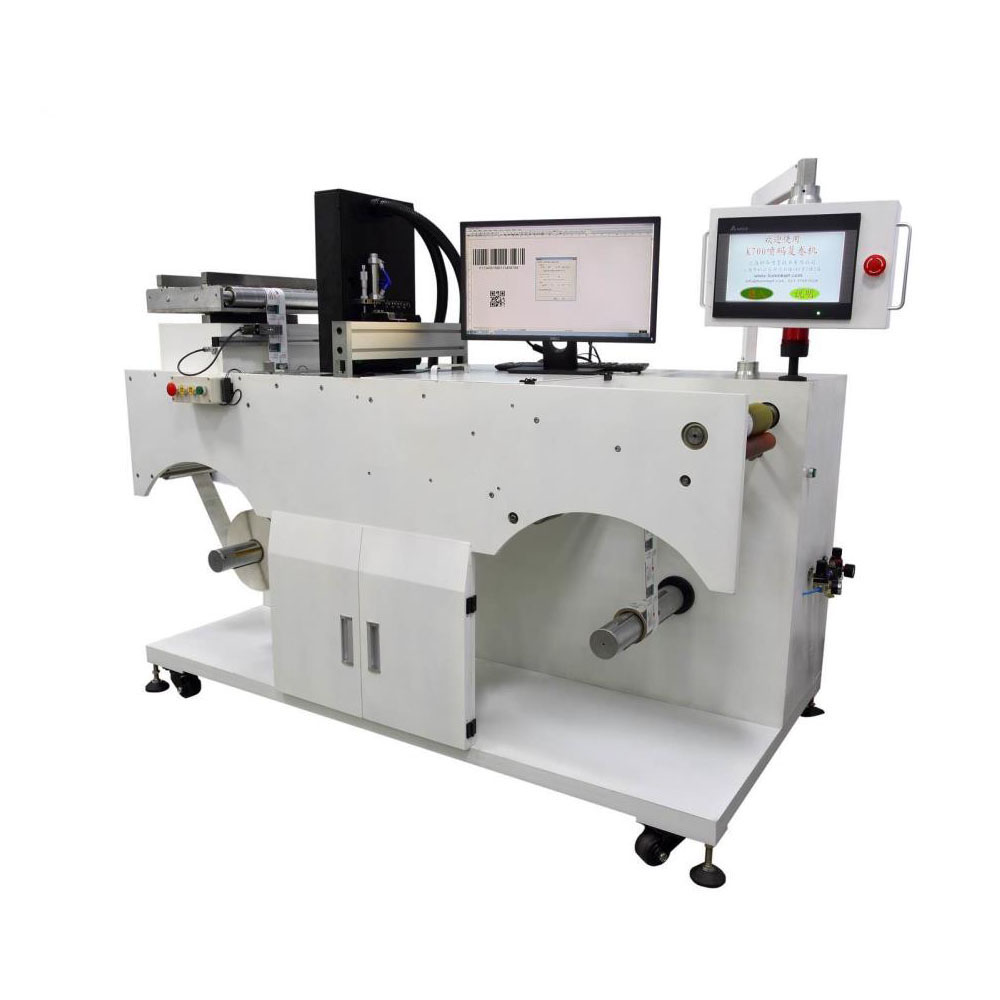
At the core of sustainable printing lies a manufacturer that reimagines production from the ground up. Instead of simply tweaking existing processes, this company has redesigned its entire workflow to minimize waste and energy consumption. From selecting biodegradable inks to engineering printers that use less power without sacrificing speed, every decision reflects a deep commitment to environmental stewardship. The result is a line of devices that not only reduce carbon footprints but also challenge the industry to rethink what eco-friendly technology can achieve.
Sustainable Printing Without Compromise
Eco-conscious choices often come with a quiet but persistent fear: that going green means giving something up. In the world of print, this anxiety has long centered on quality—thinner paper, duller colors, less tactile appeal. But the landscape has changed. Today’s sustainable printing practices don’t ask you to sacrifice the crispness of a fine line or the depth of a saturated hue. They simply replace outdated, wasteful methods with smarter ones. Vegetable-based inks now rival petroleum counterparts in vibrancy, and recycled papers feel as luxurious as virgin stock when sourced thoughtfully. The compromise narrative is obsolete.
Behind the scenes, real innovation is driving this shift. Printers are adopting closed-loop water systems, renewable energy sources, and non-toxic toners that perform beautifully without leaving a chemical trail. Advanced digital workflows reduce setup waste, enabling precise short runs on demand—so you print only what you need, when you need it. Even finishing touches like embossing or foil stamping can be done with biodegradable foils and energy-efficient presses. All of this happens without the customer noticing any drop in the final piece. In fact, many find the results more appealing, as the story of responsible creation adds a layer of integrity that audiences appreciate.
The upshot is a new kind of confidence: brands can proudly display their environmental credentials without making excuses for the look or feel of their materials. Sustainable printing, done right, feels indistinguishable from traditional luxury—soft-touch coatings, precise registration, and vivid imagery all remain intact. What changes is the footprint, not the finish. It’s no longer a debate between ethics and aesthetics; it’s simply good business sense and craftsmanship aligned with the times.
Energy-Efficient Curing for Better Results
Advancements in curing technology have shifted the focus toward methods that minimize energy consumption while maximizing output quality. Traditional curing processes often rely on prolonged heat exposure or excessive power usage, leading to inflated operational costs and inconsistent material properties. Modern energy-efficient systems, such as those employing infrared or UV-LED sources, deliver targeted energy exactly where it's needed, reducing waste and ensuring uniform cross-linking.
This precision not only slashes utility bills but also enhances the physical characteristics of the cured product. By maintaining optimal temperatures and controlled exposure times, these systems prevent overheating, warping, or under-curing—common pitfalls that compromise durability. The result is a faster, more reliable process that yields stronger bonds, better surface finishes, and extended product lifespans without the environmental footprint of conventional methods.
Adopting energy-efficient curing is a strategic move for manufacturers aiming to improve throughput and sustainability simultaneously. It streamlines production lines by cutting down cycle times and eliminates the need for extensive cooling periods. In the long run, the reduced energy demand leads to lower maintenance requirements and a smaller carbon footprint, making it a practical investment that aligns with both economic and ecological goals.
Eco-Friendly Inks and LED Innovation
Switching to eco-friendly inks is a natural step in reducing printing's environmental toll. Traditional petroleum-based inks release volatile organic compounds during drying, contributing to air pollution and health issues in print shops. Plant-based alternatives—like soy, algae, or linseed oil inks—practically eliminate these emissions while delivering equally vibrant colors. They also simplify recycling, as they de-ink more cleanly during the repulping process. Pairing them with LED curing technology amplifies the benefits: LED lamps cure these inks instantly without heat, slashing energy use by over 80% compared to conventional mercury-vapor dryers. This cold-curing process means presses can run on thinner, less expensive substrates without warping, opening doors to lightweight packaging that further trims material and freight footprints.
LED innovation isn't just about energy savings—it reshapes what's possible in print production. Without the warm-up lag of older UV systems, operators can start jobs immediately, cutting idle time and peak power demand. The bulbs themselves last tens of thousands of hours versus the short, hazardous lifespan of mercury lamps, reducing maintenance disruptions and eliminating the need for special disposal. This reliability, paired with precise wavelength control, means ink adhesion and gloss can be fine-tuned on sensitive materials like recycled paper or bioplastics. The result is a quieter, cleaner pressroom where the air doesn't smell like solvent, and creative substrates suddenly become viable for high-speed packaging or publication work that once defaulted to plastic-heavy laminates.
The real shift happens when these technologies converge to rethink design. Vegetable-based inks, cured by LEDs, allow for metallic or high-visibility effects without solvent-based coatings or excessive pigment loads. A label, for instance, can use a single pass of low-migration ink on a compostable film, cured just enough for scuff resistance but still fully biodegradable. This isn't just about incremental improvement; it's a systems-level rework where ink chemistry and curing hardware evolve together. The upfront investment is recouped in lowered utility bills, fewer rejected batches, and a supply chain that can honestly badge the final product as recyclable or compostable without disclaimers. It's a quiet marriage of biology and optics that turns a high-impact industry into something closer to a closed-loop process, one printed sheet at a time.
Leading the Shift to Responsible Print Production
Shifting to responsible print production isn’t just about swapping materials—it’s about rethinking the entire workflow. We examine every step, from ink selection to energy consumption, identifying where small changes can create measurable environmental impact without sacrificing quality. This means challenging suppliers, adopting circular practices, and making sustainability a design principle rather than an afterthought.
What sets true leadership apart is the willingness to make these choices before they become industry standards. By transparently sharing progress and setbacks, we build trust that goes beyond compliance checkboxes. The printers that will define the next decade are those treating every job as a chance to prove that high-quality output and responsible production aren’t competing goals—they’re the only way forward.
FAQ
UVLED inkjet systems cure inks instantly using low-energy LED light, which eliminates the need for solvent-based drying and drastically cuts power consumption. This process emits virtually no volatile organic compounds and allows immediate handling, reducing material waste from smudging or reprints.
Our printers are built with energy-efficient UVLED arrays that last tens of thousands of hours, meaning fewer lamp replacements and less hazardous waste. They also support a broad range of eco-friendly substrates, enabling companies to print on recycled or biodegradable materials without sacrificing quality.
One packaging client replaced their thermal drying lines with our UVLED inkjet press, cutting their energy use by over 60 percent and completely removing VOC emissions from the curing stage. They also switched to uncoated recycled board, which was previously impossible due to ink absorption issues.
The instant curing nature of UVLED broadens substrate compatibility to include heat-sensitive and porous eco-materials like thin recycled plastics or uncoated papers. This opens up options that reduce the overall carbon footprint of the final product without additional coating or laminating processes.
We integrate smart thermal management and long-life LEDs that maintain consistent output over years. This not only saves energy but also minimizes production stops and maintenance waste, as the lamps don't degrade rapidly like mercury arc bulbs.
Our machines use recyclable metal chassis, modular designs for easy repair and upgrade, and ink supply systems that reduce leftover ink. We also offer take-back programs for used components to ensure responsible end-of-life handling.
Because UVLED inks cure to a durable, non-bleeding film, printed packages can go through recycling streams without contamination from ink residues. This is critical for enabling true circularity, especially in paper and board recycling where ink removal has traditionally been a challenge.
We're developing water-based UVLED inks that retain fast curing but with even lower chemical impact, and exploring renewable materials for printer construction. Our goal is to eventually offer a completely carbon-neutral printing line from manufacturing through operation.
Conclusion
The shift toward more responsible printing practices has gained strong momentum, and UVLED inkjet technology sits at the center of this transformation. Unlike older methods that consume excessive energy and rely on solvent-based inks, UVLED curing uses light-emitting diodes to instantly dry inks with far less electricity. This not only slashes power bills but also eliminates the need for heat-intensive drying systems. Manufacturers specializing in this technology are pushing the boundaries by engineering printers that deliver vivid, durable output on a wide variety of substrates without sacrificing speed or quality. The result is a printing process that meets high commercial standards while significantly reducing environmental impact.
Behind this progress is a manufacturer dedicated to advancing greener printing without forcing customers to choose between performance and eco-responsibility. By formulating inks free of volatile organic compounds and pairing them with long-lasting LED arrays, they have created a system that produces less waste and lowers the carbon footprint of every job. The move away from mercury lamps and solvent vapors also makes the workplace safer and cleaner. As more businesses look for ways to align their production with sustainability goals, this UVLED inkjet printer manufacturer is leading by example, offering tools that enable high-quality, efficient, and truly sustainable printing. The industry is watching a quiet but steady shift, and it’s one that benefits both the bottom line and the planet.
Contact Us
Contact Person: Jacky
Email: [email protected]
Tel/WhatsApp: 086 15000607053
Website: https://www.danmajet.com