

Unlocking Global Insights: A Deep Dive into Detailed Shipment Data by Country
2026-04-12
In today's interconnected world, detailed shipment data by country offers a treasure trove of insights for businesses looking to expand globally or optimize their supply chains. Our latest blog post, 'Unlocking Global Insights: A Deep Dive into Detailed Shipment Data by Country,' delves into how businesses can leverage this information to make informed decisions and gain a competitive edge. Powered by Tendata, we explore real-world examples and strategies that can transform raw data into actionable intelligence. Get ready to discover the hidden patterns and opportunities in international trade data that could reshape your business approach. Stay tuned as we guide you through the key metrics, trends, and implications of shipment analysis across different regions.
Navigating Global Trade Flows: A Country-by-Country Analysis
Understanding global trade flows can feel like peering into a vast, interconnected web where nations dance to the rhythms of supply, demand, and geopolitics. A country-by-country lens reveals surprising stories beyond the usual headlines—like how Vietnam has aggressively expanded its manufacturing base to capture export markets, or how Chile’s copper exports subtly shape industries worldwide. This granular view highlights not just who’s trading with whom, but also the strategic shifts that define today’s economic landscape.
Taking a closer look, each nation’s trade profile tells a tale of unique strengths and vulnerabilities. Germany’s export prowess in machinery and automobiles contrasts starkly with Brazil’s reliance on agricultural commodities, underscoring how domestic policies and resource endowments drive trade patterns. Meanwhile, emerging economies such as India are leveraging digital services to carve out new niches, proving that trade isn’t confined to physical goods. By dissecting these individual cases, we uncover the nuanced forces—from tariff wars to climate agreements—that ripple through global supply chains.
Ultimately, navigating this complex terrain requires moving beyond aggregate data to appreciate the human and environmental dimensions. A country-by-country analysis sheds light on how local innovations, like Rwanda’s coffee branding or Norway’s green shipping initiatives, reverberate internationally. It’s a reminder that trade flows aren’t just statistics; they’re dynamic narratives of ambition, adaptation, and sometimes, resilience in the face of disruption, offering a richer perspective for businesses and policymakers alike.
Decoding Shipping Patterns: Key Insights from International Data
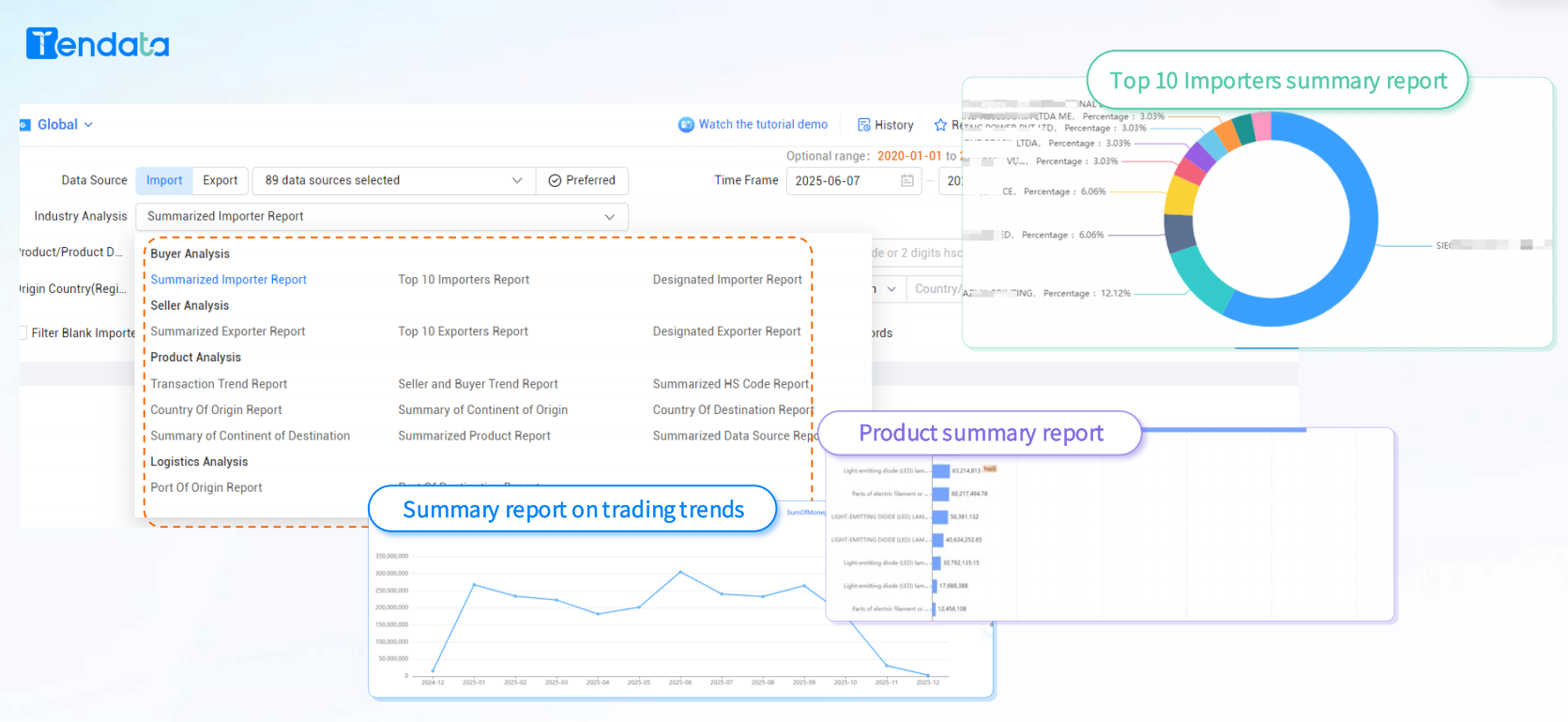
Grasping the intricate web of global shipping routes reveals profound economic shifts and trade dynamics. By analyzing vast datasets from ports worldwide, researchers uncover emerging corridors, such as increased traffic between Southeast Asia and Africa, pointing to new market integrations. This deep dive not only maps physical flows but also hints at geopolitical alliances, supply chain resilience, and regional development patterns, offering a real-time snapshot of how goods move across borders amidst shifting policies and consumer demands.
Advanced data analytics transform raw shipping figures into actionable intelligence, shedding light on seasonal variations and unexpected disruptions. For instance, the surge in container volumes during holiday seasons versus quieter periods in early spring illustrates the pulse of global commerce, while anomalies like port congestion or rerouted vessels expose vulnerabilities in logistics networks. These insights empower businesses to optimize inventory, forecast delivery times, and adapt strategies, turning historical trends into forward-looking predictions for smoother operations on a crowded planet.
Beyond mere statistics, decoding shipping patterns enriches understanding of environmental impacts and sustainability efforts. Tracking carbon emissions from maritime transport, coupled with data on slow-steaming practices or shifts to alternative fuels, highlights how the industry navigates green transitions. This perspective encourages stakeholders to balance efficiency with ecological responsibility, fostering innovations that could reshape global trade for a more resilient and equitable future.
Country-Specific Trends: Unveiling Hidden Market Dynamics
In today's global marketplace, understanding country-specific trends goes beyond surface-level metrics like GDP growth or consumer spending. It involves digging into cultural shifts, regulatory changes, and local innovations that shape how markets evolve. For instance, while digital payments might surge globally, in some regions, cash remains king due to trust issues or infrastructure gaps. By uncovering these hidden dynamics, businesses can tailor strategies that resonate deeply with local audiences, avoiding one-size-fits-all mistakes that plague international expansions.
Take Japan's aging population as an example—this isn't just a demographic statistic; it's driving demand for robotics in elderly care and subscription services for single households. Similarly, in Brazil, informal economies often overshadow official data, influencing everything from retail to tech adoption. Spotting these nuances requires on-the-ground insights and a willingness to challenge assumptions. Companies that invest in local research often discover niche opportunities, like eco-friendly products in Scandinavia or mobile-first commerce in Southeast Asia, giving them a competitive edge.
Ultimately, ignoring country-specific trends can lead to missed connections and failed ventures. But by embracing these dynamics, firms unlock potential in unexpected places—whether it's a startup adapting to India's diverse languages or a retailer tapping into Africa's burgeoning middle class. The key lies in staying curious and adaptable, turning hidden market currents into innovative growth paths.
From Ports to Profit: Leveraging Shipment Data for Business Strategy
The journey from ports to profit may seem straightforward, but in today's dynamic global markets, it's the hidden insights within shipment data that can truly drive strategic advantage. By analyzing patterns in shipping volumes, transit times, and supply chain disruptions, businesses can uncover inefficiencies and opportunities that might otherwise stay buried under layers of operational data. For instance, identifying seasonal spikes in imports or exports can help companies optimize inventory levels and anticipate demand shifts, leading to more agile decision-making and reduced costs.
Leveraging this data goes beyond simple tracking; it allows firms to refine their logistics networks, negotiate better freight rates, and enhance customer satisfaction through improved delivery reliability. Companies that harness shipment analytics often discover new market entry points or adjust product lines based on real-time trade flows, transforming raw logistical information into actionable business intelligence. This proactive approach not only streamlines operations but also fosters innovation, as data-driven insights can reveal trends in consumer preferences or emerging economic corridors.
To truly capitalize on shipment data, organizations should integrate it with other datasets, such as sales figures or market research, to build a comprehensive strategic framework. This holistic view enables leaders to make informed choices about expansion, risk management, and sustainability, turning maritime movements into a cornerstone of profitable growth. By focusing on continuous analysis and adaptation, businesses can navigate the complexities of global trade with confidence, ensuring that every shipment contributes directly to long-term strategic goals.
Regional Breakdown: How Different Nations Shape Global Logistics
The global logistics landscape is deeply influenced by the unique economic, geographical, and regulatory frameworks of individual nations. For instance, China's dominance in manufacturing and extensive port infrastructure, such as the Port of Shanghai, has made it a central hub for international shipping, driving supply chains worldwide. In contrast, Germany leverages its advanced engineering and strategic location in Europe to excel in high-value goods and efficient rail networks, affecting distribution patterns across the continent. These national characteristics not only determine trade routes but also shape logistics strategies, from warehousing to last-mile delivery, highlighting how local conditions ripple through global operations.
Beyond infrastructure, cultural and political factors play a significant role in how nations impact logistics. The United States, with its vast consumer market and emphasis on e-commerce, has spurred innovations in drone delivery and automated fulfillment centers, setting trends that others adopt. Meanwhile, countries like Singapore, through pro-business policies and investments in smart port technologies, enhance connectivity and reduce transit times, influencing regional logistics efficiencies. Such variations mean that companies must adapt their approaches to navigate tariffs, customs procedures, and labor practices, turning national idiosyncrasies into critical considerations for seamless global trade.
Emerging economies are also reshaping logistics dynamics, with nations like India and Brazil investing in infrastructure to boost their roles in global networks. India's digital initiatives and growing middle class are driving demand for faster logistics solutions, while Brazil's agricultural exports influence shipping lanes and cold chain logistics. This diversity underscores that a one-size-fits-all approach is ineffective; instead, understanding regional nuances allows logistics providers to optimize routes, reduce costs, and enhance reliability, ultimately demonstrating how the collective influence of different nations weaves the complex tapestry of modern global logistics.
Actionable Insights: Turning Detailed Data into Competitive Advantage
In today's fast-paced business environment, raw data is abundant, but the real challenge lies in transforming it into actionable insights that can drive strategic decisions. By leveraging advanced analytics tools and techniques, companies can sift through vast datasets to uncover patterns and trends that might otherwise go unnoticed. This process not only enhances operational efficiency but also empowers organizations to anticipate market shifts and customer needs with greater precision.
The key to turning data into a competitive edge is moving beyond mere reporting to create insights that are directly applicable to business goals. For instance, by integrating real-time data from various sources, firms can identify emerging opportunities and address potential risks before they escalate. This proactive approach enables teams to make informed choices quickly, fostering innovation and improving overall agility in a dynamic marketplace.
Ultimately, the power of actionable insights lies in their ability to bridge the gap between data collection and tangible outcomes. Companies that master this art often see significant gains in customer satisfaction, product development, and market positioning. By embedding data-driven decision-making into their culture, they not only stay ahead of competitors but also build a resilient foundation for long-term growth and success.
FAQ
It indicates the material will explore comprehensive shipment information on a country-by-country basis to reveal broader trends and patterns.
Such data helps companies identify market opportunities, optimize logistics, and adjust strategies based on regional demand and supply chain efficiencies.
Key insights include trade flow patterns, seasonal variations, economic impacts, and the performance of specific industries or products in various regions.
It provides granular details that surface hidden trends, enabling more accurate forecasting and competitive advantage in diverse markets.
For instance, a surge in electronics shipments to a developing nation could signal rising consumer tech adoption or local manufacturing gaps.
Common issues include data inconsistency, varying reporting standards, and the need to account for geopolitical factors that influence trade dynamics.
It offers more specific, actionable details rather than broad aggregates, focusing on individual shipments and country-level nuances.
Conclusion
The analysis of detailed shipment data by country offers a comprehensive view of global trade flows, as explored in "Navigating Global Trade Flows: A Country-by-Country Analysis" and "Decoding Shipping Patterns: Key Insights from International Data." By examining specific nations, it reveals hidden market dynamics through "Country-Specific Trends: Unveiling Hidden Market Dynamics" and illustrates how different regions, as discussed in "Regional Breakdown: How Different Nations Shape Global Logistics," influence worldwide supply chains. This deep dive uncovers patterns that go beyond surface-level statistics, providing a nuanced understanding of how ports, policies, and economic factors interconnect to drive international commerce.
Leveraging this data transforms raw figures into strategic tools, as highlighted in "From Ports to Profit: Leveraging Shipment Data for Business Strategy" and "Actionable Insights: Turning Detailed Data into Competitive Advantage." Businesses can optimize routes, forecast trends, and adapt to regional shifts, gaining an edge in competitive markets. Ultimately, unlocking these global insights empowers stakeholders to make informed decisions, fostering resilience and growth in an ever-evolving trade landscape. This approach moves beyond generic reports, offering tailored perspectives that resonate with real-world applications.
Contact Us
Contact Person: Grace
Email: [email protected]
Tel/WhatsApp: +86 18721992033
Website: https://www.tendata.com