

Top SF₆ Gas Circuit Breaker: Key Features & Benefits for Enhanced Electrical Safety
2026-01-06
In the world of high-voltage electrical systems, safety and reliability are non-negotiable. That's where the top SF₆ gas circuit breaker comes into play—an innovation transforming how we approach electrical safety. At Lugao, we're pioneering this technology to offer enhanced protection and efficiency. Imagine a solution that not only prevents dangerous electrical faults but also minimizes downtime and maintenance costs. In this blog, we'll dive into the key features and benefits of SF₆ gas circuit breakers, exploring why they're becoming the go-to choice for modern electrical infrastructure. Stay with us to uncover how Lugao's cutting-edge approach ensures your systems remain safe, robust, and future-ready.
Advanced SF₆ Technology for Superior Insulation and Switching
The development of advanced sulfur hexafluoride (SF₆) technology marks a significant leap forward in electrical insulation and switching applications. By leveraging SF₆'s exceptional dielectric properties, engineers have crafted systems that withstand higher voltages and reduce arcing risks more effectively than traditional methods. This technology not only enhances safety but also improves the longevity of electrical equipment, making it a cornerstone in modern power distribution networks where reliability is paramount.
In switching operations, SF₆ plays a crucial role by providing superior arc-quenching capabilities, which allows for faster and safer circuit interruptions. This leads to minimized downtime and maintenance costs, as the gas helps prevent damage to switchgear components. Moreover, the inert nature of SF₆ ensures that it remains stable under extreme conditions, contributing to consistent performance in demanding environments like substations and industrial facilities.
Beyond performance, advancements in SF₆ technology focus on optimizing efficiency and environmental considerations. Modern systems incorporate refined designs that utilize the gas more effectively, reducing overall usage while maintaining high insulation standards. This progress supports sustainable energy initiatives by ensuring that electrical infrastructure operates with greater precision and less environmental impact, aligning with global efforts to enhance energy systems.
High-Performance Interruption Capabilities Ensure Grid Stability
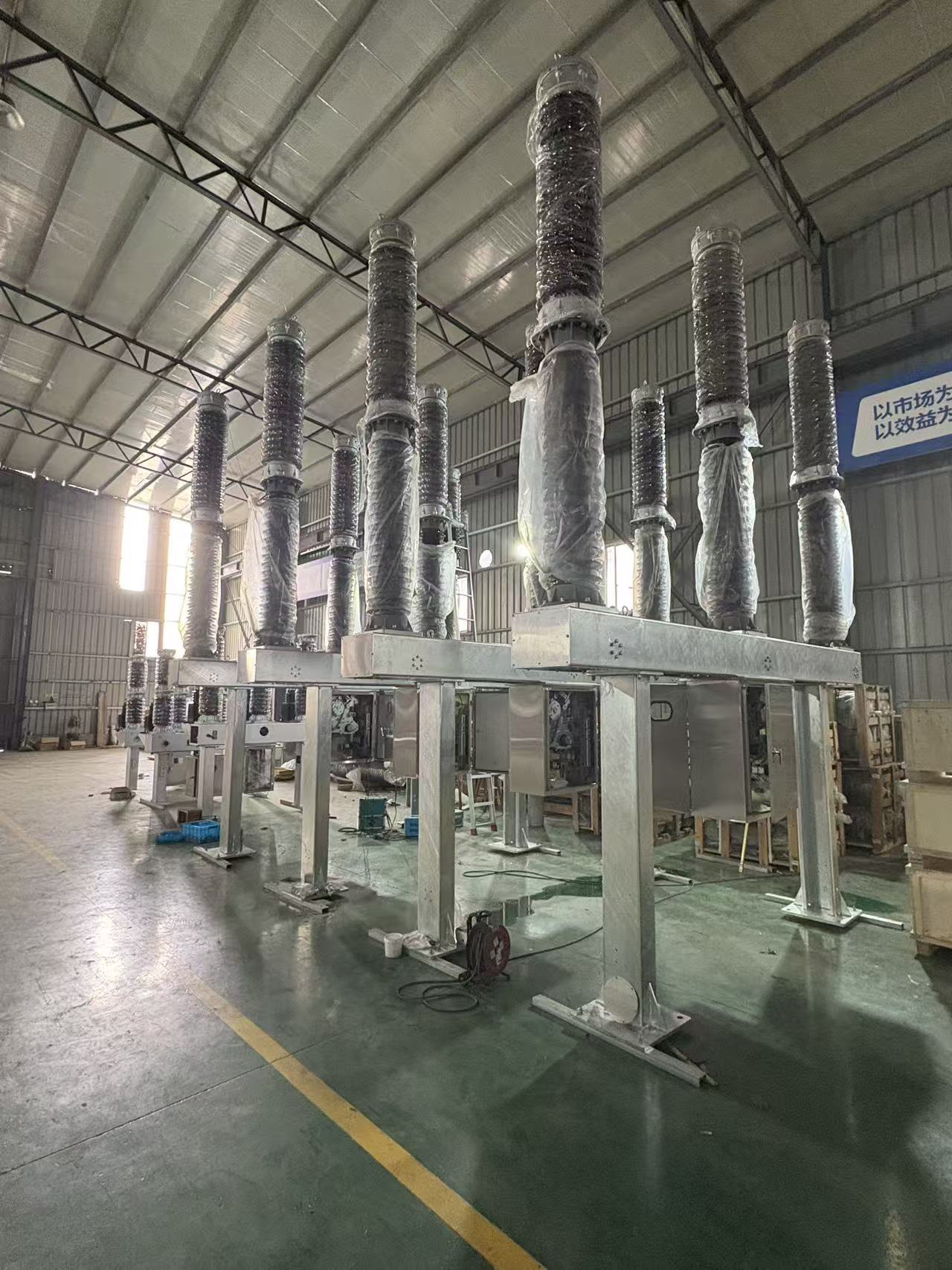
In modern energy systems, the ability to swiftly and reliably disconnect electrical components during faults is paramount. High-performance interruption technologies provide this critical function, enabling rapid isolation of problematic circuits to prevent cascading failures. By minimizing downtime and containing disturbances, these capabilities directly contribute to maintaining a stable and resilient power grid, even under extreme operational stresses.
Advanced interruption systems leverage cutting-edge materials and intelligent controls to achieve sub-cycle response times. This precision allows for near-instantaneous fault clearing, dramatically reducing the risk of voltage sags, frequency deviations, or widespread blackouts. Incorporating real-time data analytics and predictive maintenance further enhances reliability, ensuring that interruptions are not only fast but also strategically timed to optimize overall grid health.
Beyond basic safety, high-performance interruption supports the integration of renewable energy sources and distributed generation. By managing the inherent variability of these resources, it helps balance supply and demand, smoothing out fluctuations that could otherwise destabilize the network. This adaptability makes it a cornerstone for building future-proof grids capable of handling evolving energy landscapes while consistently delivering stable power to end-users.
Robust Design for Extreme Environmental Conditions
When tackling extreme environments—from the deep sea to outer space—robust design isn't just an option; it's a necessity. This approach focuses on creating systems that can withstand unpredictable stresses, ensuring reliability where failure isn't an option. Think of it as engineering with resilience baked in, so whether it's a spacecraft facing cosmic radiation or a submersible enduring immense pressure, the core principles remain the same: anticipate, adapt, and endure.
Key elements include selecting materials that won't degrade under harsh conditions, like specialized alloys for high temperatures or corrosion-resistant coatings for wet climates. But it's more than just picking tough parts; it's about integrating redundancy and smart monitoring to catch issues before they escalate. For example, in Arctic oil rigs, sensors might track temperature fluctuations in real-time, allowing adjustments that prevent ice buildup and maintain operational flow without constant human intervention.
Ultimately, robust design bridges innovation with practicality, pushing the boundaries of what's possible in hostile settings. By prioritizing durability and flexibility, it enables breakthroughs in fields like renewable energy and deep-sea exploration, proving that even in the toughest spots, clever engineering can thrive and deliver consistent performance.
Minimal Maintenance Requirements Boost Operational Efficiency
Streamlining maintenance needs isn't just about cutting costs—it's a strategic move that frees up resources and keeps operations running smoothly. When equipment requires minimal tweaks or repairs, teams can focus on core tasks instead of constant troubleshooting. This shift reduces downtime dramatically, ensuring that production lines hum along without disruptive interruptions.
Imagine machinery that practically looks after itself, with self-diagnostic features and durable components. Such setups eliminate the guesswork from repairs and slash the hours spent on routine checks. Over time, this reliability translates into fewer emergency calls and more predictable workflows, making it easier to plan ahead and allocate budgets efficiently.
Beyond immediate benefits, lower maintenance demands foster a culture of proactive problem-solving. Staff aren't bogged down by reactive fixes, so they can innovate or refine processes. In industries like manufacturing or logistics, where every minute counts, this agility becomes a key competitive edge, driving continuous improvement without the drag of frequent upkeep.
Enhanced Safety Features for Personnel and Equipment Protection
When it comes to safeguarding both team members and valuable assets, these enhanced safety features are designed to respond to real-world challenges. They incorporate intuitive alerts and automated shutdowns that activate seamlessly during unusual operations, reducing human error and preventing accidents before they escalate. This approach prioritizes proactive protection, ensuring a safer working environment without constant manual oversight.
Beyond basic compliance, the system includes advanced monitoring capabilities that track equipment performance and environmental conditions in real-time. For personnel, wearable sensors can detect fatigue or hazardous exposures, while equipment features like reinforced casings and emergency brakes provide an extra layer of defense against damage and misuse. These elements work together to create a robust shield against common workplace risks.
In practice, this means fewer disruptions and lower costs due to downtime or injury. By integrating user-friendly interfaces with cutting-edge technology, these safety enhancements adapt to various industries—from manufacturing to logistics—offering tailored solutions that meet specific operational needs. The result is a comprehensive protection strategy that boosts confidence and productivity across the board.
Cost-Effective Long-Term Investment with Reduced Downtime
Choosing a strategy for substantial value over time involves balancing initial expenses with future savings. By focusing on durable solutions that minimize maintenance needs, you can significantly cut long-term operational costs. This approach often entails upfront investment in higher-quality components or systems, but it pays off by reducing the frequency of repairs and replacements. For example, opting for energy-efficient equipment or robust infrastructure can lower utility bills and extend asset lifespan, making it a smart move for sustainable growth.
Downtime can be a major disruptor, eating into profits and frustrating stakeholders. Implementing methods to curb such interruptions is key to maximizing returns. This might include proactive monitoring tools, regular staff training, or adopting flexible backup plans. By integrating these measures, businesses can ensure smoother operations and maintain productivity, even when unexpected issues arise, translating to better financial outcomes and enhanced reliability in the competitive market.
Ultimately, merging cost-effectiveness with minimal downtime isn't just about saving money—it's about building resilience. Invest in solutions that evolve with your needs, like scalable technology or adaptable workflows, to stay ahead without constant overhauls. This holistic view helps create a stable foundation for long-term success, where investments today yield dividends through steady performance and reduced operational headaches tomorrow.
FAQ
Top-tier SF₆ circuit breakers rely on advanced arc quenching with SF₆ gas, which rapidly extinguishes arcs at high currents, combined with robust mechanical interlocking systems to prevent accidental operations and ensure reliable interruption.
They incorporate sealed gas systems with low leakage rates, often below 0.5% per year, and use SF₆—a gas with high dielectric strength—reducing material usage and energy loss over time, aligning with sustainability goals without compromising safety.
Many models feature condition monitoring sensors that track gas pressure and contact wear, enabling predictive maintenance and reducing unplanned downtime, along with modular designs for easier servicing and extended operational life.
They excel in high-voltage applications, such as substations and industrial plants, where their superior arc quenching ability and compact size handle fault currents above 50 kA more efficiently, especially in harsh environments.
Recent designs include plug-and-connect interfaces for faster setup, lighter materials like aluminum alloys to ease handling, and intuitive digital displays that provide real-time status updates without complex tools.
They are built with corrosion-resistant coatings and temperature-stable components, ensuring consistent operation from -30°C to 40°C, and undergo rigorous testing, such as endurance cycles, to withstand decades of use in varied settings.
Upgrades lead to reduced energy losses due to higher efficiency, lower maintenance costs from durable parts, and fewer replacements, offering a compelling return on investment through enhanced uptime and safety over 20+ years.
Conclusion
The Top SF₆ Gas Circuit Breaker represents a pinnacle in electrical safety, leveraging advanced SF₆ technology to deliver superior insulation and precise switching capabilities. This ensures reliable performance in high-voltage environments, minimizing the risk of electrical faults that could compromise system integrity. Coupled with high-performance interruption abilities, it effectively maintains grid stability by swiftly isolating faults during disturbances, thereby preventing cascading failures and enhancing overall network resilience. These features work synergistically to provide a robust foundation for modern power systems, where dependability and quick response are paramount for uninterrupted service and safety.
Designed to withstand extreme environmental conditions, the breaker's durability reduces the need for frequent maintenance, significantly boosting operational efficiency in challenging settings. Its robust construction not only ensures longevity but also incorporates enhanced safety mechanisms that protect both personnel and equipment from potential hazards, such as arc flashes or gas leaks. Moreover, as a cost-effective long-term investment, it helps reduce downtime and associated repair costs, making it an economically savvy choice for utilities and industries aiming to prioritize safety while optimizing financial outlays. This holistic approach solidifies the SF₆ circuit breaker's role as a critical component in advancing electrical safety standards across diverse applications.
Contact Us
Contact Person: Doreen
Email: [email protected]
Tel/WhatsApp: 8618057712366
Website: https://www.liugaopower.com/