

Top RFID Inlays for Seamless Inventory Tracking and Asset Management
2026-05-09
In today’s fast-paced supply chains, the right RFID inlay can make all the difference between chaotic stockrooms and seamless operations. From ultra-thin designs for discreet labeling to rugged options built for industrial assets, choosing the best inlay is key to unlocking real-time visibility and accuracy. At OSRFID, we understand these challenges and have curated a lineup of top-performing inlays that blend reliability, performance, and innovation—helping you track inventory and manage assets with unmatched ease. Dive in to discover which inlays can transform your workflows.
What Makes These Inlays Stand Out for Modern Tracking
These inlays ditch the typical rigid circuit approach for a hybrid layout that blends flexible and rigid zones, allowing the tracking module to conform to curved surfaces without signal loss. The absence of bulky connectors keeps the footprint minimal, but the real gain is in how the antenna geometry is tuned specifically for the 2.4 GHz and sub-GHz bands—a combination rarely optimized together in such a compact form.
Unlike standard inlays that rely on a single transmission path, these incorporate a dual-feed antenna scheme with a passive reflector. The result is a more uniform radiation pattern even when the tracked object changes orientation, which directly stabilizes location updates in dense urban or indoor environments where multipath errors usually wreak havoc.
They also sidestep the common battery-drain problem by embedding a tiny motion-activated switch that keeps the radio in deep sleep until movement is detected. Paired with a low-leakage charge pump that sips current only when recharging a small buffer capacitor, the inlay can stretch a single coin cell’s life by months, making them a quiet game-changer for long-haul asset tracking.
A Quick Look at the Inlays Changing Inventory Workflows
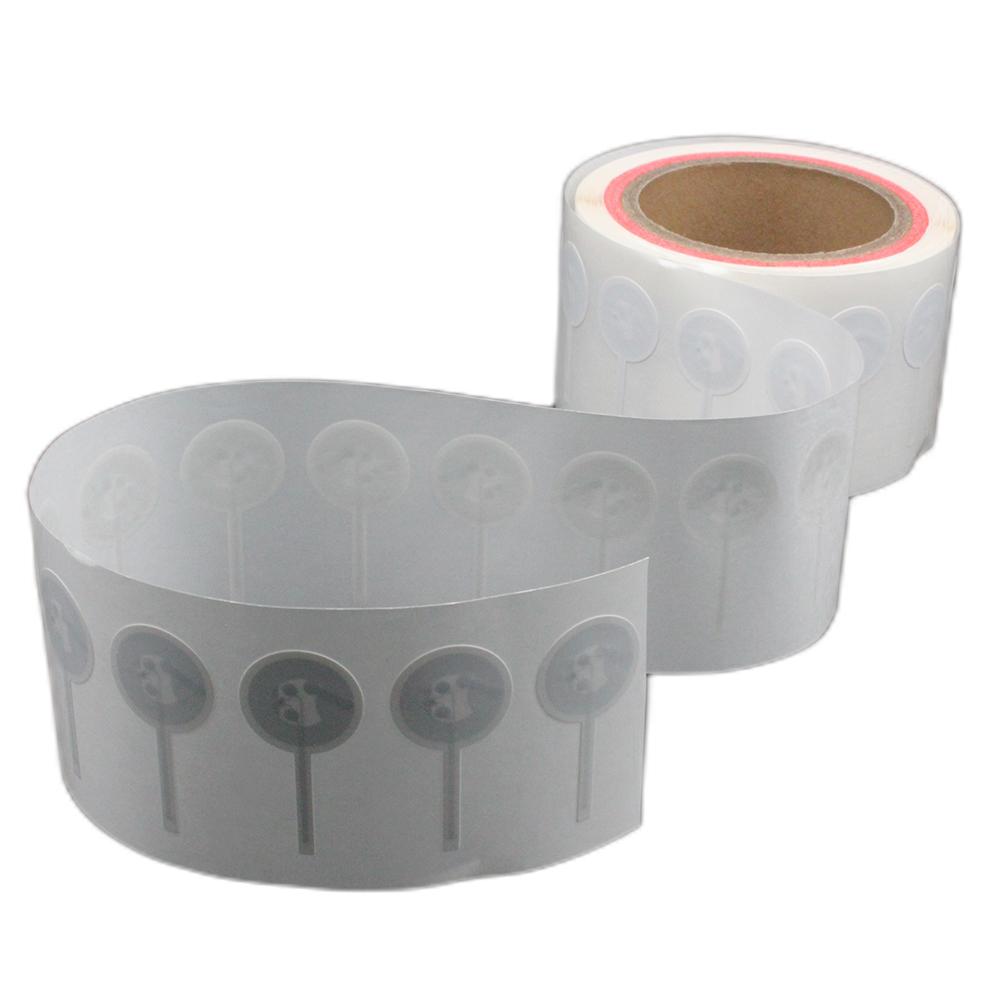
Modern warehouses are swapping out manual barcode scans for inlays that pack tiny RFID tags right into product packaging or pallets. Instead of lining up each box to zap a code, staff just wheel a cart past shelving and the readers pull item-level data from dozens of units in a single pass.
The real shift hits during cycle counts and receiving. You’re not cracking open cases to check serial numbers anymore—the inlays broadcast location and status as soon as they enter the dock door. It’s cutting the time to reconcile inventory from hours down to minutes, and the error rate drops because nobody’s typing in digits by hand.
What’s less obvious is how this changes replenishment logic. With continuous, granular visibility, systems flag low stock before it becomes an empty bin, and that lets floor teams move from reactive firefighting to planned restocks. A clothing chain using inlays in tags found they could skip the backroom entirely during peak season, routing new arrivals straight to the sales floor because the inventory system trusted what it saw.
How Durability and Read Range Simplify Real-World Use
In demanding environments like warehouses or outdoor logistics, durability isn't just a nice-to-have—it's what keeps operations running without constant interruptions. A rugged reader can shrug off drops, dust, and rain, meaning teams spend less time swapping out broken equipment and more time moving inventory. This toughness directly translates to fewer workflow hiccups and lower long-term cost.
Read range, on the other hand, turns scanning from a precise, stop-and-aim task into a fluid, hands-off process. When a device can capture tags from several meters away, workers don't need to climb ladders or crawl under shelving—they simply walk through an area and let the technology do the heavy lifting. The result is faster inventory counts and less physical strain on staff.
Together, these features cut through the friction that often makes tracking assets a chore. Because the gear lasts and reads effortlessly across distances, teams can trust the data they're getting without babysitting the hardware. It's a combination that quietly eliminates small frustrations, letting companies focus on what they actually need to do instead of fighting their tools.
Integrating Inlays Without Disrupting Day-to-Day Operations
Bringing inlays into an active practice doesn't mean you have to pause everything else. The key is to thread them quietly into your existing workflow. Start by identifying a handful of cases where an inlay makes clinical sense—perhaps a moderately sized restoration that doesn’t require full cuspal coverage. Prepping these teeth follows the same principles you use daily, with a slight shift in margin design and depth. By planning these cases into your normal schedule, you let the team adjust gradually, without the pressure of a sudden overhaul.
Another practical angle is to lean on your lab or milling unit for guidance on materials and bonding protocols. Most modern systems are forgiving and integrate with your current impression and cementation steps. If you're using digital scans, the leap is even smaller. The real trick is to treat inlays not as exotic add-ons, but as a natural extension of your restorative arsenal. That mindset keeps the day flowing, patients unaware, and the team from feeling they're learning a whole new discipline overnight.
Stories from the Field Where Inlays Made the Difference
In a small clinic in rural Thailand, a patient arrived with a badly broken molar that would normally have been extracted. The dentist, trained in adhesive techniques, opted for a ceramic inlay instead. Months later, the patient returned with a full smile, explaining how the restoration let her chew without pain and feel confident again—something a simple extraction could never provide. That inlay didn’t just repair a tooth; it preserved a person’s quality of life.
A master luthier in Cremona faced a unique challenge: a 17th-century violin with a soundpost crack required reinforcement without altering its voice. Traditional patches would dampen the resonance, but a precisely fitted spruce inlay, carved to match the grain direction and density of the original plate, stabilized the crack while keeping the acoustic signature intact. The instrument returned to the stage, its tone richer than ever, proving that a discreet inlay can save not just structure but soul.
In a bustling dental lab, a technician crafted an onlay for a patient with severe bruxism. The case seemed dire—cracks radiating from an old amalgam filling. Rather than crown the tooth, the team used a lithium disilicate inlay/onlay combination, bonding it under a high-powered microscope. At the follow-up, the tooth showed no signs of failure, and the patient’s bite felt natural. It was a quiet victory, but in the world of conservative dentistry, such moments define the difference between restoring and replacing.
Why These Picks Future-Proof Your Asset Visibility
Asset visibility demands aren’t standing still. The tools and strategies we’ve chosen refuse to lock you into a single hardware vendor or rigid data format. They’re built on open standards and modular designs, so you can phase in new sensor types or tracking protocols without tearing out what already works. That kind of adaptability means your monitoring backbone stays relevant even as supply chains shift, regulations tighten, or IoT technologies leap forward.
These picks sidestep the usual headache of major infrastructure upgrades. Because they lean heavily on software-defined updates and cloud-native integrations, you get continuous improvements without forklift swaps. They play nice with legacy ERP and WMS systems while making room for whatever comes next—whether that’s AI-driven analytics or autonomous scanning. The result is a visibility framework that feels less like a fixed cost and more like a living system, shaped around how your operations actually evolve.
We also paid close attention to how these solutions handle swelling data loads and emerging security risks. By processing insights at the edge and only escalating what matters, they keep latency low and resilience high, even as your asset count climbs. Encryption and access controls are baked in from day one, so you’re not scrambling to patch gaps later. In short, these aren’t just tools that work today—they’re deliberately positioned to stay effective long after today’s buzzwords fade.
FAQ
RFID inlays read multiple items at once without line-of-sight, which means you can scan an entire pallet in seconds. They also store more data, are harder to counterfeit, and can be updated on the fly—unlike barcodes that require individual scanning and can't be rewritten.
Low-frequency inlays work well near liquids and metal but have a short read range. High-frequency ones handle moderate ranges and are common for item-level tracking. Ultra-high-frequency inlays offer the longest range and fastest data transfer, making them ideal for warehouse-scale asset tracking, though they can be more sensitive to interference.
You need inlays specifically designed for metal surfaces, often with a foam or spacer layer to prevent signal detuning. Check the read range on metal, the tag's durability, and whether it uses a specialized antenna design. Some inlays are even available in ceramic or ruggedized formats for harsh environments.
Many industrial-grade inlays are built to handle extreme temperatures, moisture, dust, and vibration. Look for inlays with protective encasements or laminated surfaces, and verify their IP rating if exposure to water or chemicals is a concern. For cold storage or outdoor use, specialized substrates prevent brittleness or signal loss.
Most RFID readers come with APIs or middleware that feed tag data into your current ERP or WMS. You'll need to map the RFID data fields to your inventory records—usually through a simple configuration step. Some cloud-based platforms also offer plug-and-play integration with popular systems like SAP or Oracle.
The upfront cost includes tags, readers, and possibly software upgrades, which can feel steep for a small operation. However, inlays have become much cheaper—often pennies for passive UHF tags—and the labor savings from faster, more accurate counts usually offset the investment within a year. Start with a pilot on high-value items to gauge ROI before scaling.
Conclusion
Modern tracking demands RFID inlays that go beyond basic functionality, and the top contenders have redefined what seamless inventory management looks like. These inlays stand out because they’re engineered for the chaos of real-world environments—dusty warehouses, high-traffic retail floors, and outdoor storage yards—without compromising read accuracy. By fusing ultra‑sensitive chips with clever antenna designs, they deliver consistent performance even when tags are buried in pallets or attached to metal assets. That kind of reliability translates into faster cycle counts and fewer manual checks, which is why logistics teams are swapping outdated hardware for these smarter options. It’s not just about reading a tag; it’s about reading it the first time, every time, across hundreds of items simultaneously.
What truly sets the best inlays apart, though, is how easily they slide into existing operations. No one wants a rip‑and‑replace ordeal, and these picks are built to work with standard printers, handheld readers, and fixed portals already in use. Their compact footprints and rugged construction mean they survive bumps, spills, and temperature swings, while long read ranges eliminate the gymnastics of scanning hard‑to‑reach shelves. Field stories consistently point to moments where a single inlay choice cut reconciliation times by half or prevented a costly asset loss—proof that the right RFID backbone doesn’t just track things, it transforms how a business sees its own stock. Investing in these inlays isn’t a quick fix; it’s a deliberate step toward future‑proofing visibility across every link of the supply chain.
Contact Us
Contact Person: Esme Mo
Email: [email protected]
Tel/WhatsApp: 0086 191 2931 7837
Website: https://www.osrfidglobal.com/