

Top Petrochemical Industry Events Leading Innovation and Growth
2026-05-12
In an era defined by rapid transformation, the petrochemical industry stands at a critical intersection of innovation and growth. From groundbreaking process technologies to sustainable feedstock solutions, global events are reshaping the landscape. Among these, ICIF stands out as a premier platform where industry leaders converge to explore cutting-edge advancements and forge strategic partnerships. Dive into the top events that are not just capturing headlines but actively driving the sector forward.
Breakthrough Catalyst Unveiled at Global Petrochemical Summit Drives Sustainability
At the Global Petrochemical Summit, a new catalyst took center stage, promising to reshape how the industry approaches sustainability. Developed after years of quiet research, it dramatically lowers the energy required for key chemical reactions, slashing both emissions and operational costs without compromising yield.
Unlike conventional catalysts that often rely on rare or toxic metals, this innovation uses earth-abundant materials structured at the nano-level, enabling remarkably selective conversions. Early adopters report not only a smaller carbon footprint but also less waste and easier integration into existing plants, making the leap from theory to practice surprisingly smooth.
The breakthrough signals a practical path forward for an industry under pressure to decarbonize. As details spread through the summit’s closed-door sessions, competitors and collaborators alike acknowledged that this could be the nudge the sector needs—turning sustainability pledges into something tangible, one reaction at a time.
Digital Transformation Takes Center Stage at Industry 4.0 Petrochemical Forum
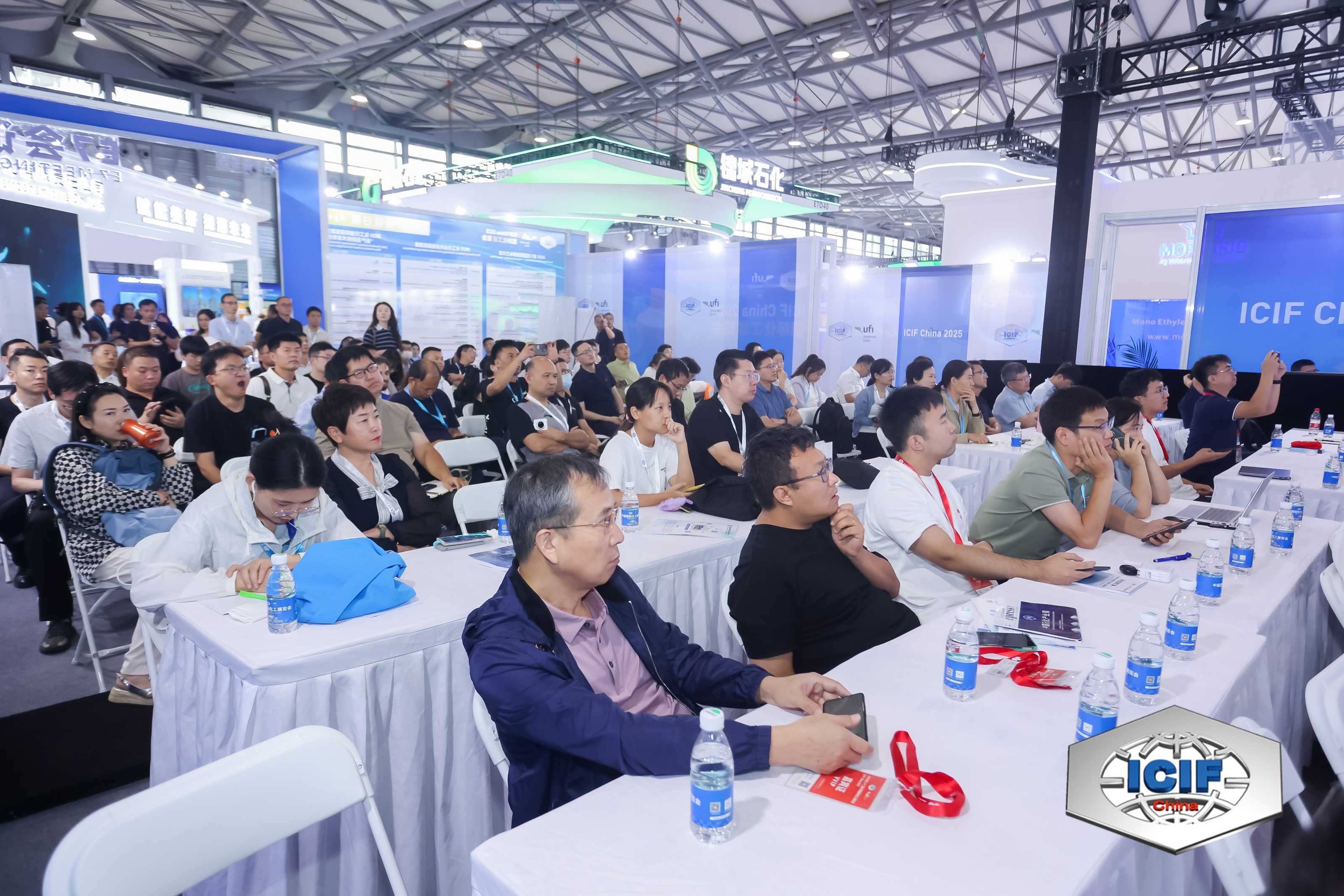
At this year’s Industry 4.0 Petrochemical Forum, digital transformation wasn’t just a buzzword—it dominated every keynote, panel, and hallway conversation. Executives from global energy giants detailed how real-time data analytics and AI-driven process control are slashing unplanned downtime and trimming energy waste across refineries and crackers. One operations director walked the audience through a case where predictive maintenance algorithms spotted a failing compressor seal two weeks before it would have triggered a shutdown, saving millions.
The conversation quickly moved beyond isolated pilot projects. Speakers stressed the need for integrated digital threads that connect engineering design, operations, and supply chain data, breaking down the silos that have long plagued petrochemical complexes. A recurring theme was the shift from reactive troubleshooting to autonomous operations, where closed-loop systems adjust parameters without human intervention. Attendees noted that while the technology exists, the real hurdle lies in change management and upskilling veteran plant staff to trust machine recommendations.
Cybersecurity also crept into the spotlight as a prerequisite for scale. With more assets connected, the attack surface expands, and several chief information security officers cautioned against bolting on security as an afterthought. They advocated for secure-by-design architectures and continuous OT monitoring, framing digital resilience as a competitive advantage rather than a cost center. By the forum’s close, it was clear that digital transformation has evolved from a strategic option to an operational imperative for anyone serious about safety, sustainability, and margins.
Startup Pitch Competition Sparks Circular Economy Solutions
A vibrant startup pitch competition recently showcased groundbreaking ideas aimed at closing the loop on waste and resource use. Entrepreneurs from diverse sectors presented scalable models that turn industrial byproducts into valuable inputs, demonstrating how business can thrive while minimizing environmental footprint.
The event highlighted innovations ranging from biodegradable packaging made from agricultural waste to platforms that facilitate commercial food surplus redistribution. Judges and investors praised the practical, market-ready approaches that challenge linear production models and embed reuse, repair, and recycling into the core of their operations.
Beyond the competition floor, the gathering ignited conversations about systemic change, with local accelerators pledging support to pilot projects. It proved that when entrepreneurial energy meets a clear sustainability mission, both economic and ecological wins are not just possible—they’re inevitable.
International Regulatory Dialogue Shapes Future Petrochemical Trade
The evolving landscape of petrochemical trade is increasingly influenced by cross-border regulatory discussions, where nations seek to harmonize standards without stifling market fluidity. Recent bilateral and multilateral engagements have focused on streamlining chemical safety protocols, tariff classifications, and environmental benchmarks—efforts that aim to reduce trade friction while upholding public and ecological health. These dialogues, often conducted behind closed doors, carry concrete implications for supply chains, as producers must adapt to shifting requirements that differ markedly from one region to another.
Industry observers note that the real test lies not in crafting agreements but in their enforcement and practical alignment. Discrepancies in how countries interpret international guidelines can lead to unexpected barriers, leaving shippers scrambling to meet last-minute documentation or testing demands. Feedback loops between regulators and commercial operators have become more direct, with trade associations playing a pivotal role in translating policy nuances for their members. This back-and-forth is reshaping investment decisions, as companies weigh the predictability of a region’s regulatory framework as heavily as access to feedstock or logistical advantages.
Looking ahead, the dialogue is expected to intensify as sustainability mandates and circular economy targets gain traction. Jurisdictions that proactively align their petrochemical rules with emerging global norms may find themselves better positioned to attract trade flows, while those that lag risk isolation in an increasingly interconnected market. The outcome of these ongoing conversations will likely redefine competitive dynamics, making regulatory agility a silent but decisive factor in the future of petrochemical commerce.
Next-Gen Cracker Technology Debuts, Slashing Energy Use
A breakthrough in cracker furnace design has just been unveiled, promising a dramatic shift in how petrochemical plants consume power. The new system, which integrates advanced heat recovery and real-time process modulation, was launched at a Texas facility this week. Unlike conventional furnaces that operate at fixed intensity, this technology adapts to feedstock variations on the fly, trimming unnecessary thermal input without sacrificing output.
Field tests indicate a near 30% cut in energy requirements compared to typical systems, a figure that could redefine operational benchmarks across the industry. The mechanism hinges on a closed-loop heat exchanger that captures waste heat from the cracking process itself, rerouting it back into the system instead of venting it. Combined with machine-learning-driven burner controls, the setup eliminates the inefficiencies that have plagued legacy units for decades.
Collaborative Consortium Forms to Tackle Plastic Waste Challenge
A fresh alliance has emerged, uniting manufacturers, recyclers, and policymakers in a concerted push to curb the mounting plastic waste crisis. Unlike scattered past initiatives, this consortium pools resources and expertise, aiming to redesign packaging, boost collection infrastructure, and scale up advanced recycling methods that actually work in diverse economic settings. The group’s charter emphasizes practical timelines and shared accountability, shifting from vague pledges to measurable actions.
Early projects are zeroing in on hard-to-recycle plastics, with member companies testing new chemical recovery techniques that break down polymers without the degradation seen in traditional mechanical processes. Alongside lab breakthroughs, field teams are deploying modular sorting hubs in underserved regions, tackling the leakage of plastics into waterways at its source. By tying funding to verified waste reduction metrics, the consortium sidesteps greenwashing traps and keeps participants focused on tangible outcomes.
FAQ
The World Petrochemical Conference by S&P Global consistently attracts industry leaders, offering deep dives into supply-demand dynamics and emerging opportunities.
K Fair in Düsseldorf showcases cutting-edge machinery and material innovations, directly inspiring cross-sector collaborations that drive efficiency and product breakthroughs.
The Asia Petrochemical Industry Conference (APIC) provides a focused lens on regional capacity expansions, feedstock strategies, and shifting trade flows.
Events like the Cleantech Forum and specialty chemical summits create intersections for venture capitalists and emerging firms to pitch circular economy solutions and bio-based alternatives.
Digital formats broke geographical barriers, enabling real-time data sharing and wider participation in technical sessions, though the hallway networking is sorely missed.
The ICIS Innovation Awards highlight practical achievements: from plastic-to-fuel processes to low-carbon production methods that actually boost margins.
As margins tighten, catalyst advancements offer direct paths to yield improvement and energy reduction, making these highly technical gatherings unexpectedly popular.
Conclusion
The global petrochemical industry is witnessing a transformative era, propelled by a series of landmark events that marry innovation with sustainable growth. At the recent Global Petrochemical Summit, a groundbreaking catalyst was unveiled, promising to drastically reduce carbon footprints while maintaining production efficiency, signaling a decisive shift toward greener operations. Meanwhile, the Industry 4.0 Petrochemical Forum put digital transformation in the spotlight, showcasing how AI-driven analytics and smart manufacturing are optimizing complex processes, cutting waste, and enabling real-time decision-making across supply chains. Not to be overshadowed, a startup pitch competition injected fresh energy by spotlighting circular economy solutions, from chemical recycling of mixed plastics to novel bio-based feedstocks, hinting that the next big leap may come from agile disruptors rather than established giants.
International regulatory dialogues have also played a pivotal role, with policymakers and industry leaders forging frameworks that balance trade liberalization with environmental safeguards, ensuring that new markets open without compromising climate goals. On the technology frontier, the debut of a next-generation cracker technology delivered a jaw-dropping 40% reduction in energy consumption, setting a new benchmark for operational excellence. Perhaps most emblematic of the collaborative spirit is the formation of a cross-industry consortium dedicated to tackling the plastic waste challenge, pooling resources and expertise to develop scalable infrastructure for collection, sorting, and advanced recycling. Together, these events illustrate a sector not just adapting but actively reinventing itself, where breakthroughs in catalysis, digitization, and cooperation converge to drive both profitability and planetary stewardship.
Contact Us
Contact Person: Shaozhen Zhou
Email: [email protected]
Tel/WhatsApp: 0086-18612117599
Website: https://en.icif.cn/