

Selling Industrial Vehicles: Where to Find the Best Markets
2026-10-01
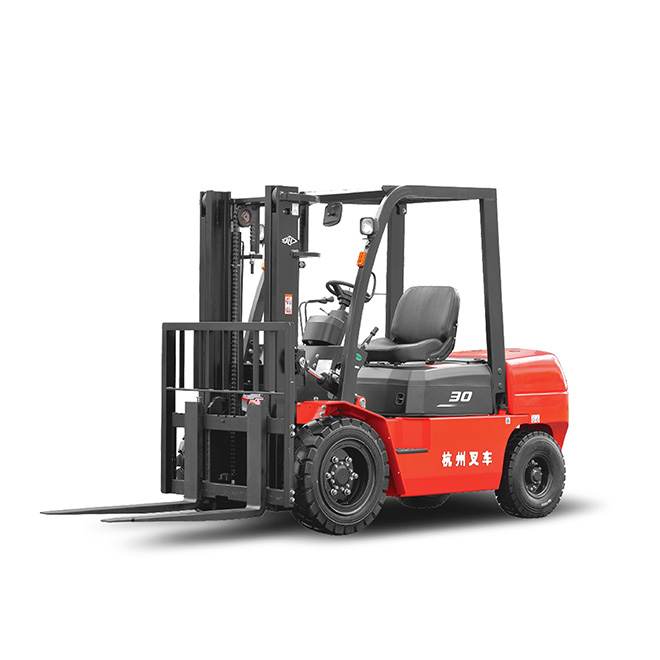
Are you struggling to pinpoint the most profitable markets for industrial vehicles? The global landscape is shifting, and knowing where to sell can make or break your business. From bustling logistics hubs to emerging manufacturing regions, the right market can dramatically boost your sales. But how do you identify these opportunities without wasting time and resources? In this guide, we’ll explore the top markets for industrial vehicles, and highlight why partnering with a trusted brand like HANGCHA can give you the competitive edge.
Auction Sites Where Industrial Buyers Actually Compete
Most online auction platforms claim to attract serious industrial buyers, but very few manage to pull real purchasing power away from traditional procurement channels. The difference often comes down to one thing: whether the site is engineered for competitive bidding among buyers who already know the equipment, not just curious window shoppers. When a used CNC lathe or a surplus packaging line goes live, the bids that matter come from plant managers, maintenance directors, and asset recovery specialists who have pre-approved budgets and immediate operational needs. A well-run industrial auction site makes those buyers feel like they are in a live auction room, not scrolling a static classifieds page.
Another telltale sign is how the platform handles bid increments, extended bidding windows, and reserve transparency. Sites that actually foster competition let buyers see the pace of bidding without flooding them with fake urgency. They allow a bid placed in the final minute to extend the clock just enough for a counterbid, mirroring how a real floor auction would work. More importantly, they avoid hiding reserves until the last second, because serious industrial buyers lose trust quickly when they invest time evaluating a machine only to discover the seller never intended to let it go below a certain price. Clear, upfront terms draw in the repeat bidders who drive genuine price discovery.
What separates a true competitive marketplace from a glorified listing board is the quality of the buyer pool on the other side. If a platform routinely attracts multiple qualified bidders for the same asset class—say, three different metal fabricators all chasing a used press brake—then sellers start to see final prices that reflect actual market demand rather than a single lowball offer. That level of participation doesn't happen by accident. It comes from years of building relationships with industrial buyers, offering inspection reports and logistics support, and making the bidding process deterministic enough that a plant manager can justify spending an afternoon on the platform instead of calling a local dealer. Once that cycle starts, the site becomes the place where industrial buyers show up to compete, not just to browse.
The Overlooked Export Demand for American Utility Trucks
Many American manufacturers treat utility trucks as domestic-only products, overlooking real demand across the Middle East, Africa, and Southeast Asia for high-payload, durable vehicles. Users in these regions frequently modify or import secondhand American pickups because they outperform common Japanese models in rough terrain and heavy towing, yet new-vehicle supply is nearly nonexistent.
Part of the neglect stems from product positioning: full-size American pickups typically carry large gasoline engines, while overseas buyers prioritize diesel economy and ease of maintenance. Moreover, the absence of right-hand-drive variants, sparse parts networks, and steep import tariffs suppress actual exports—but the demand hasn't vanished; it has simply shifted to gray markets or substitute models.
In Australia's mining regions and some Latin American agricultural belts, business owners are willing to pay a premium for a Ford F-250 or Chevrolet Silverado 2500HD, yet official channels cannot supply versions meeting local emissions or safety certifications. If American manufacturers offered diesel options and basic repair support for export trims, this pent-up demand could form a stable niche market.
Private Fleet Liquidations: A Direct Line to Serious Buyers
Private fleet liquidations don't attract casual browsers. The buyers who respond to these opportunities are usually looking for specific units to fill gaps in their own operations, and they arrive with the paperwork already in order. That filters out a lot of the back-and-forth that drags down open-market sales.
A well-run liquidation gives you a concentrated window to move multiple assets without repricing every few weeks. Buyers are there to inspect, verify maintenance records, and close on the spot if the numbers make sense. It's a cleaner handoff than negotiating one truck at a time.
Sellers also get a better read on true market demand. When serious operators compete for the same fleet, the final price reflects actual replacement value, not just a hopeful list price. That direct line to end users is what makes the format worth the extra preparation.
Regional Dealers Who Pay More Than Online Marketplaces
Local dealers often have a stronger incentive to offer top dollar because their business depends on repeat customers and word of mouth. Unlike faceless online platforms that rely on volume and low-ball automated offers, a regional dealer will inspect the item in person and factor in its true condition, maintenance history, and local demand. That human judgment frequently leads to a higher payout than a generic online quote.
Another reason regional buyers can beat online marketplaces is their access to niche resale channels. A dealer who specializes in your type of equipment or vehicle already knows which buyers are looking for it, so they can afford to pay more upfront. Online platforms, by contrast, often apply a one-size-fits-all depreciation formula that ignores regional shortages or seasonal spikes.
It also helps that regional dealers are not paying the same overhead for massive digital advertising or third-party listing fees. Those savings can go back into the offer. If you have a well-maintained item and are willing to negotiate face-to-face, a local dealer will often stretch their budget because they know the value of securing inventory without waiting on shipping or dealing with returns.
Rental Companies Looking to Expand Their Industrial Fleets
Several rental firms are quietly shifting their procurement patterns, moving beyond routine replacements and toward deliberate fleet growth in the industrial segment. Forklifts, telehandlers, scissor lifts, and compact excavators are showing up in higher numbers at regional depots, driven less by headline demand and more by uneven project pipelines. Where a single warehouse retrofit once justified a short-term rental, companies now see repeat requests from logistics operators and specialty contractors, prompting them to hold equipment longer and in greater variety.
The financing approach behind this expansion has changed as well. Instead of relying solely on outright purchases, many rental businesses are mixing operating leases, manufacturer buyback programs, and selective acquisitions of late-model used machines. This lets them refresh aging units without tying up capital, while still meeting sudden spikes in demand from food processing plants, cross-dock facilities, and mid-sized construction jobs. Maintenance teams are also being restructured around larger mixed fleets, with parts inventories adjusted to cover electric and diesel models side by side.
Geographic spread plays an outsized role in what gets added. Urban warehouses and last-mile hubs are pulling in more electric pallet jacks and narrow-aisle reach trucks, while highway and utility work in secondary markets calls for heavier backhoes and rough-terrain forklifts. Rather than stocking every yard identically, managers are using actual utilization data to reposition equipment before it sits idle. That kind of targeted expansion, based on local order history and upcoming permit filings, is allowing rental companies to grow their industrial fleets without accumulating the underused assets that hurt margins in previous cycles.
Construction Trade-Ins as a Reliable Source of Buyers
Contractors and equipment dealers often overlook the steady stream of potential customers already sitting in their own used inventory. When a company accepts a trade-in, it gains more than just a piece of machinery—it gains a direct lead with proven purchasing power. These sellers are typically in the market for a replacement unit, making them far warmer prospects than cold outreach lists. By treating every trade-in as the start of a new sales conversation rather than the end of an old one, you tap into a repeatable, low-cost pipeline of active buyers.
The reliability of this source comes from clear intent. A contractor trading in a skid steer or excavator has already demonstrated willingness to spend on equipment and a need to keep jobs moving. Unlike speculative inquiries, these individuals have a concrete timeline, often driven by project deadlines or seasonal demand. Following up within days of the trade-in reveals whether they need a larger model, a different attachment platform, or financing options—questions that naturally lead toward another sale. This post-trade engagement converts what could be a one-time transaction into multiple revenue events per customer.
Practical execution matters more than broad promises. Build a simple log of every trade-in with owner contact details, equipment condition notes, and the reason for the swap. A quick phone call or site visit within one week keeps your name at the front of their mind before they start browsing competitors. Because these buyers already trust your team from the valuation process, the conversion rate for a well-timed follow-up offer is typically double that of general advertising. The result is a dependable flow of deals that costs little beyond a structured routine.
FAQ
Demand tends to cluster where infrastructure and warehousing are expanding quickly. Southeast Asia, the Middle East, and parts of Eastern Europe have been absorbing more units, driven by port expansions and manufacturing shifts. North America remains steady but increasingly favors electric and specialized models.
It depends on the vehicle type. Standard forklifts and pallet movers move well through online platforms with detailed inspection reports. High-value or niche machines, like container handlers or heavy-duty tow tractors, often attract more committed buyers at live auctions where they can be inspected in person.
Look beyond headline import volumes. Check local dealer inventory turnover, rental fleet utilization rates, and recent infrastructure project announcements. A region with long lead times for new equipment and rising rental rates usually indicates genuine undersupply, not just high import numbers.
They create immediate, project-linked demand. Countries investing in rail, port automation, or large logistics parks often need specific industrial vehicles for construction and then for operations. Sellers who enter during the construction phase can establish relationships that carry into longer-term maintenance and replacement contracts.
For many emerging markets, yes. Buyers in price-sensitive regions prefer refurbished units with available parts and local service support. Offering certified pre-owned vehicles with a short warranty can open doors that new equipment pricing would keep closed.
Rental companies, third-party logistics providers, and port operators are often the most active cross-border buyers. They purchase in batches, value uptime over brand loyalty, and are more open to negotiating multi-unit deals. Private construction firms tend to buy locally unless they are involved in a foreign-funded project.
It is often the deciding factor. Buyers will not commit to a vehicle they cannot maintain. Partnering with a local service provider or offering a parts consignment agreement can make an unfamiliar brand acceptable, even in markets dominated by established names.
Conclusion
Selling industrial vehicles requires knowing exactly where serious buyers are actually putting money down. Auction sites remain one of the strongest channels, not because of convenience, but because industrial buyers show up ready to compete on the spot, often driving prices past expected market value for well-maintained units. At the same time, a largely missed opportunity sits in export demand for American utility trucks. Dealers and fleet owners who tap into overseas buyers, particularly in regions where rugged American-built trucks are prized for infrastructure work, can move inventory faster than domestic-only listings allow. Private fleet liquidations offer another direct line: when a logistics or construction company downsizes, its entire fleet often becomes available at once, and buyers who secure these lots skip the middleman entirely.
Regional dealers frequently pay more than online marketplaces because they understand local demand cycles and can resell quickly to their established customer base. Rental companies expanding their industrial fleets are also consistent cash buyers, especially for late-model service trucks and boom lifts. And construction trade-ins should not be overlooked as a reliable source of buyers—when contractors upgrade equipment, they often need to offload older trucks to a seller who can in turn bundle them for resale. The best markets are rarely found in a single place. A seller who combines auction visibility, export outreach, direct fleet contacts, and local dealer relationships will consistently reach buyers others never see.
Contact Us
Contact Person: Liuxue
Email: [email protected]
Tel/WhatsApp: +86-19084200370
Website: https://www.hf-ec.com/