

Portable Ozone Machines Worth Recommending for Cleaner Indoor Air
2026-09-15
Most air fresheners only mask the problem—they don’t actually clean your air. If you’re tired of lingering cooking smells, pet odors, or that musty basement scent, a portable ozone machine might finally be the answer. The catch? Not every model lives up to the hype. That’s exactly why we’re cutting through the noise to highlight portable ozone machines worth your money—and why LUFUTATECH keeps showing up as a brand that gets it right.
Portable Ozone Machines That Really Clear Stuffy Room Air
If you’ve ever walked into a bedroom after a long day with the windows shut, you know that heavy, stale feeling that clings to the air. Portable ozone machines tackle this problem differently than a typical fan or filter. Instead of just moving air around or trapping particles, they produce ozone gas that actively reacts with odors, mold spores, and bacteria at the molecular level. The result is a room that doesn’t just smell fresher—it actually feels lighter and easier to breathe in, especially after you’ve aired the space out for the recommended 30 to 60 minutes.
What separates the truly useful portable units from the gimmicky ones is how effectively they generate enough ozone to make a difference without forcing you to leave the house for half a day. The best models strike that balance: enough output to neutralize stubborn smells from cooking, pets, or musty carpets, but simple controls so you can run a short cycle, vent the room, and get back to normal. Many also include a timer dial or a low-level setting for smaller spaces like closets or cars, which keeps the treatment practical for daily problems rather than only deep-cleaning scenarios.
Of course, ozone is a strong oxidizer, so no machine should be run while people or pets are in the room. That’s a safety point, not a flaw—think of it like using a strong cleaner that needs a rinse. The convenience of a portable unit means you can treat a stuffy guest room, a basement that always smells a bit off, or even a hotel room while traveling. And because the ozone dissipates back into ordinary oxygen after a short while, you’re not left with a chemical perfume masking the problem. The air simply ends up closer to what you’d expect after a heavy rain: clean, neutral, and genuinely breathable.
Picking an Ozone Output That Suits Your Apartment Size
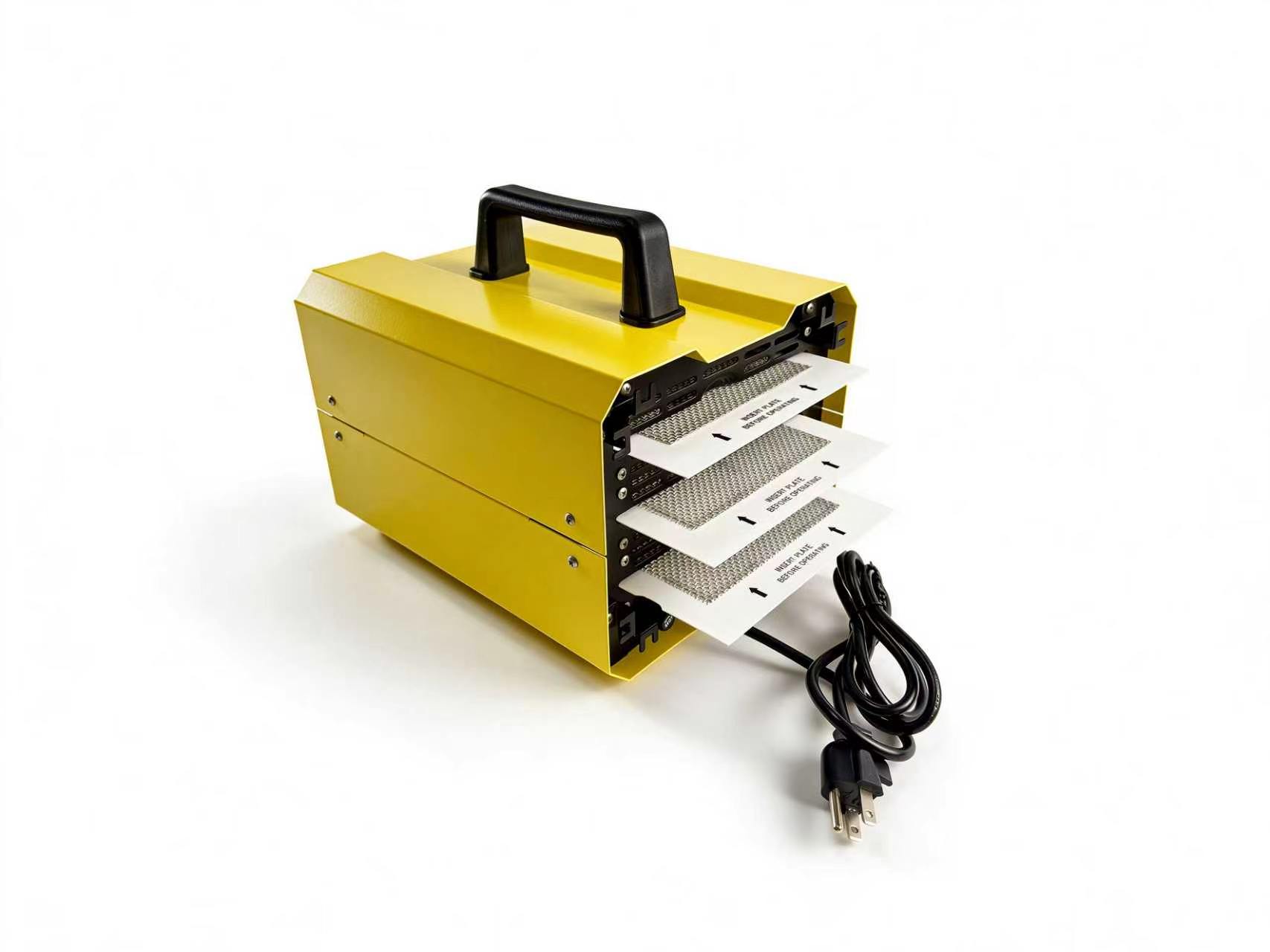
Ozone output is usually listed in milligrams per hour (mg/h), but apartment size gets measured in square feet, so you need to bridge that gap before buying. Start with the room you actually plan to treat. Multiply length by width by ceiling height to get cubic feet, then check the generator's coverage claim. Many machines assume an eight-foot ceiling, so if you have ten-foot ceilings or an open-plan layout, the listed square footage may be optimistic.
As a rough guide, a studio or one-bedroom under 500 square feet tends to do fine with something in the 500 to 1500 mg/h range. For a 700 to 1000 square foot apartment with several rooms, look closer to 2000 to 4000 mg/h. But do not treat these numbers as absolute. A 5000 mg/h unit in a tiny bedroom can push ozone levels far past what you can safely air out, while a weak unit may leave corners barely touched if doors are closed.
It is often smarter to buy for the largest single space you will treat, then run the machine a little longer rather than buying an oversized unit for the entire apartment. If you plan to treat the whole place, you still need airflow between rooms or you will just create one highly concentrated zone. Lower output with longer runtime tends to be easier to control, especially if you are new to ozone generators.
The Importance of Timers and Auto-Shutoff on Portable Ozone Units
Portable ozone generators are often used in small, enclosed spaces—cars, closets, bathrooms—where it is easy to start a treatment cycle and then get distracted. Without a built-in timer or auto-shutoff, the unit keeps producing ozone long after the intended period, which can push concentrations well beyond safe levels. This is not just a theoretical risk; many users have walked back into a room hours later to find the machine still running and the air harsh enough to irritate the lungs.
Beyond immediate safety, these features protect the device itself. Ozone generators that run continuously tend to overheat or wear out their corona discharge plates faster. For battery-powered portable models, an auto-shutoff is practically essential—otherwise a forgotten session will drain the battery completely and leave you without a working unit when you actually need it. Timers also let you match the run time to the size of the space, so you are not guessing or checking the clock repeatedly.
A good timer does more than prevent accidents; it makes the whole process repeatable. If you know that a medium-sized vehicle needs exactly 30 minutes of treatment, you can set it and walk away. Without that control, you either stand there watching the unit or risk over-treating, which can degrade rubber seals, plastics, and fabrics. In short, timers and auto-shutoff are not luxury add-ons—they are the difference between a tool you can trust and one you have to babysit.
Clearing Cigarette and Pet Odors With a Compact Ozone Machine
Cigarette smoke buries itself in fabrics, drywall, and even the gaps around trim. A compact ozone generator tackles what sprays and scrubbing leave behind. The ozone (O₃) reacts with odor-causing particles rather than masking them. For a small bedroom or car interior, a 15-minute cycle is usually enough to notice a real difference.
Pet odors are trickier because they often come from oils and urine salts deep in carpet fibers or upholstery. Ozone reaches those layers if you give it time and keep the air circulating. Close the door, set the timer for 30 minutes, and let the machine do its work. After the cycle, open a window and stay out of the room until the ozone dissipates—it breaks down naturally in about half an hour.
Size matters less than placement. Put the unit up high, since ozone is heavier than air and works its way downward. Run it in short bursts rather than one long session. That approach prevents that sharp 'bleach-like' after-smell some people complain about, while still pulling stubborn smoke and pet odors out of the space.
Simple Upkeep That Keeps a Portable Ozone Generator Running Longer
Keep the intake vents clear of dust and lint. Most portable ozone generators pull room air across the plates, and a clogged filter or blocked grill forces the fan to work harder while producing less ozone. A quick wipe with a dry cloth every couple of weeks, plus a gentle vacuum of the exterior vents, prevents this silent buildup.
Let the unit cool down before storing it. Ozone plates and the transformer run hot during operation, and immediately boxing the machine traps heat and moisture, which corrodes internal contacts. After each session, unplug the generator and leave it in a ventilated spot for twenty minutes. Also, every month or two, inspect the ceramic plates for a white or yellowish film—wiping them with a damp cloth and letting them air dry restores output without harsh chemicals.
Best Times to Run a Portable Ozone Machine for Noticeable Results
Running a portable ozone machine makes the most sense when nobody is in the room, usually right after you have finished cleaning or before you go to bed. The ozone needs time to do its work and then break down, so an empty overnight window gives it several hours without interruptions. Set the timer for the recommended duration, close the door, and let it run while the space is unused. You will come back to a fresher room rather than a lingering chemical smell.
Early morning can also work well if you prefer to check on the unit before leaving for the day. Start it shortly after sunrise, then open the windows and leave for work or errands. By the time you return in the afternoon or evening, the ozone has dissipated and the air feels noticeably cleaner. Avoid running it during peak activity hours when people and pets are moving through the area.
For persistent odors like smoke or cooking residue, a longer session at night followed by a short airing-out period the next morning often produces the most visible improvement. Keep the room sealed while the machine runs, but plan to ventilate thoroughly before using the space again. This routine prevents recontamination and gives the ozone enough contact time with fabrics, carpets, and hard surfaces to break down odor-causing particles.
FAQ
A solid portable ozone unit earns its keep by producing enough ozone to neutralize stubborn odors, mildew, and airborne bacteria without being overly complicated to operate. Look for models with adjustable output levels, a built-in timer, and a compact build that you can move from a closet to a car interior without hassle.
No, you don't want to breathe elevated ozone. The recommended approach is to run the machine in an empty space, let it finish its cycle, then air the room out for at least 30 to 60 minutes before anyone re-enters. This keeps the cleaning benefit while avoiding throat or lung irritation.
A standard purifier pulls air through filters to trap particles, while an ozone generator actively releases ozone gas that reacts with odors and microorganisms at the molecular level. That makes it better for deep odor removal, but it also means you can't run it continuously while people are present.
The ones worth a second look usually have a metal or high-grade plastic housing, a ceramic ozone plate that's easy to wipe down, and a timer that goes up to at least 120 minutes. Some also include a remote control or a low-output maintenance mode for treating shoes, gym bags, or pet areas.
It's not a good idea to sleep in the same room while the machine is running. You can treat the bedroom during the day when no one is inside, then open windows and wait until the ozone smell dissipates. Overnight use in occupied spaces is the most common mistake people make.
Mostly you'll just need to keep the ozone plate or cell clean. Dust and residue can build up after a few uses, which reduces output. A soft brush or a slightly damp cloth every two to four weeks is enough for typical home use, and you should store the unit in a dry place between sessions.
They can knock down the musty odor from mildew and surface mold, but they won't fix the underlying moisture problem. Use the ozone treatment to buy you time while you address leaks or humidity, otherwise the smell will return within a few weeks.
Confirm the ozone output in mg/h, make sure it has a timer you actually understand, and check that replacement plates or cells are easy to find. Also pay attention to the rated room size so you don't end up with a unit too weak for your space or one that produces far more ozone than you need.
Conclusion
Not all portable ozone machines are the same, and the ones actually worth recommending tend to get a few practical details right. They let you dial the ozone output down for a small bedroom or up for an open-plan living area, so you are not overdoing it in a tight space. A built-in timer with automatic shutoff is essential, because you want the unit to stop after thirty or sixty minutes rather than running all afternoon. Compact models with a ceramic plate handle cigarette smoke and that stubborn pet smell in a way that sprays and candles never manage. After one or two overnight cycles with the door closed, a stuffy room starts to feel less heavy, and the stale odor is gone instead of simply masked.
Upkeep is surprisingly simple, but it matters. Wiping the collection plate or replacing a small filter every few weeks keeps the output steady, so the machine does not gradually lose its punch. The best time to run it is when nobody is in the room; late evening works well, with windows shut to let the ozone do its job. Come back after the timer has ended, open a window for about twenty minutes, and the air smells clean without any chemical aftertaste. For apartments that trap cooking smells or a lingering pet corner, that routine feels like a reset. A decent portable ozone generator will not replace regular cleaning, but it is a practical, low-effort way to get noticeably fresher indoor air.
Contact Us
Contact Person: Paul Luo
Email: [email protected]
Tel/WhatsApp: 0086-19966314501
Website: https://www.lufutatech.com