

Low-Voltage Distribution Box Essentials: Enhancing Safety and Efficiency for Modern Electrical Systems
2026-01-13
In the intricate web of modern electrical systems, the role of a low-voltage distribution box often goes unnoticed—yet it’s the silent guardian of safety and efficiency in homes, businesses, and industrial settings. As technology advances and energy demands soar, understanding these essential components becomes crucial for optimizing performance and preventing hazards. This blog delves into the core principles of low-voltage distribution boxes, exploring how they enhance reliability, streamline power management, and protect against common electrical issues. For those prioritizing innovation and quality, Lugao stands at the forefront, offering solutions that blend cutting-edge design with practical functionality. Join us as we uncover the key insights to transform your electrical infrastructure, sparking curiosity about how smarter choices can lead to safer, more efficient operations.
Understanding the Role of Low-Voltage Distribution Boxes in Modern Homes and Businesses
At the heart of modern electrical systems in both homes and businesses lies the low-voltage distribution box, a component that often goes unnoticed but serves as a silent guardian of safety and efficiency. Unlike traditional setups where electrical distribution was handled haphazardly, these boxes centralize the control of circuits operating below 50 volts, such as those for lighting, HVAC controls, and security systems. By organizing these low-power connections, they prevent overloads and reduce the risk of electrical fires, ensuring that everyday operations run smoothly without interruption. In residential settings, this means reliable power to smart home devices, while in commercial spaces, it supports essential infrastructure like communication networks and emergency lighting.
Beyond mere safety, low-voltage distribution boxes contribute significantly to energy management and sustainability efforts. They allow for precise monitoring and routing of electricity, enabling users to optimize consumption patterns through features like circuit breakers and surge protectors. For instance, in a business environment, this can lead to reduced utility bills by directing power only where needed, such as during off-hours for non-critical systems. In homes, these boxes facilitate the integration of renewable energy sources, like solar panels, by safely distributing generated power throughout the house. This makes them an essential tool in the push toward greener, more cost-effective energy solutions.
Looking forward, the role of low-voltage distribution boxes is evolving with technological advancements. They are becoming smarter and more adaptable, incorporating IoT capabilities to provide real-time insights into energy usage and system health. This allows for proactive maintenance and customization, such as remotely controlling circuits via mobile apps. In both homes and businesses, this enhances convenience and resilience, ensuring that electrical systems can quickly adapt to changing needs, whether it's adding new devices or responding to power fluctuations. Ultimately, these boxes are not just passive components but active enablers of modern, efficient living and working environments.
Key Components That Ensure Reliability in Electrical Distribution Systems
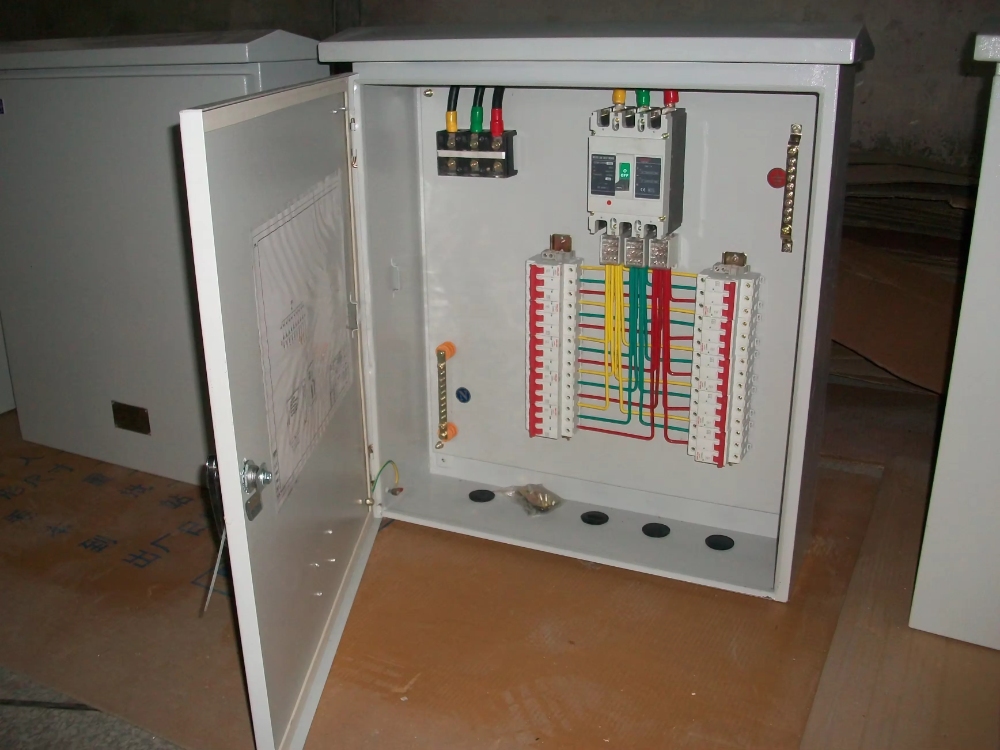
When it comes to keeping electrical distribution systems running smoothly, several key components stand out as real game-changers. Think of circuit breakers – they’re not just switches that flip off during a surge; modern versions can detect subtle faults and isolate them before they snowball into full-blown outages. Then there’s voltage regulators, which act like traffic controllers for power flow, ensuring that voltage levels stay consistent no matter how demand fluctuates. Without these, equipment could wear out faster or even fail unexpectedly, turning a minor glitch into a costly repair job.
Another unsung hero is redundancy in design, which might seem like overkill until a transformer blows on a hot summer day. By having backup lines or parallel circuits, the system can reroute power almost instantly, keeping lights on and factories humming. It’s akin to having a spare tire in your car—you hope not to need it, but when you do, it saves the day. This layered approach, combined with smart sensors that monitor temperature and load in real-time, transforms a basic grid into a resilient network that adapts on the fly.
Beyond hardware, proper maintenance protocols play a crucial role. Regular inspections and predictive analytics, using data from those sensors, help catch wear-and-tear before it leads to failures. Imagine spotting a corroded connection months in advance, rather than after it causes a blackout. Together, these elements—from robust devices to proactive strategies—forge a distribution system that doesn’t just work, but thrives under pressure, minimizing downtime and boosting confidence for everyone relying on it.
Advanced Safety Features to Prevent Electrical Hazards and Accidents
Modern electrical systems are equipped with a range of advanced safety features designed to significantly mitigate the risks of hazards and accidents, ensuring both user protection and operational reliability. These features go beyond basic insulation and grounding, incorporating smart technologies such as ground fault circuit interrupters (GFCIs) and arc fault circuit interrupters (AFCIs) that detect abnormal current flows and instantly shut off power to prevent shocks or fires. For example, in residential settings, GFCIs are commonly installed in bathrooms and kitchens to safeguard against water-related incidents, while AFCIs protect against dangerous arcing in wiring, which can occur due to damaged cords or aging infrastructure. By integrating these components, systems not only comply with stringent safety standards but also proactively address potential failures before they escalate into serious accidents, making everyday environments safer for occupants.
Another key aspect of advanced safety is the implementation of advanced surge protection and isolation mechanisms that shield sensitive electronics from voltage spikes and electromagnetic interference. Features like transient voltage surge suppressors (TVSS) and isolation transformers work to absorb or redirect excess energy, preventing damage to appliances and reducing fire risks associated with power surges. In industrial applications, these systems are often paired with real-time monitoring and diagnostics, using sensors to track temperature, humidity, and electrical parameters, enabling early detection of anomalies such as overheating cables or insulation breakdown. This proactive approach not only enhances safety but also extends the lifespan of equipment, reducing maintenance costs and downtime. By focusing on prevention rather than reaction, these innovations create a resilient electrical infrastructure that adapts to varying conditions and loads, minimizing the chance of accidents in both home and workplace settings.
Looking forward, the evolution of safety features includes the integration of automated systems and smart controls that further personalize and optimize protection. For instance, some advanced setups use artificial intelligence to analyze usage patterns and predict potential hazards, automatically adjusting settings or alerting users to issues like overloaded circuits or faulty connections. In commercial buildings, this might involve centralized management systems that coordinate lighting, HVAC, and power distribution to prevent overloading during peak times. Additionally, features like tamper-resistant outlets and child-proof designs add an extra layer of protection in households, preventing accidental insertions of foreign objects that could lead to shocks. By combining these elements with rigorous testing and certification processes, modern electrical safety features stand out as comprehensive solutions that not only meet regulatory requirements but also deliver peace of mind through continuous innovation and user-centric design.
How Smart Technology Integrates with Distribution Boxes for Enhanced Efficiency
Smart technology is transforming distribution boxes by integrating real-time sensors and IoT connectivity, allowing for continuous monitoring of electrical parameters like voltage, current, and temperature. This enables immediate fault detection and predictive maintenance, reducing downtime and enhancing reliability in power distribution networks.
By leveraging advanced algorithms and machine learning, these smart systems can analyze usage patterns and optimize energy flow to prevent overloads. This not only improves operational efficiency but also contributes to significant energy savings and cost reductions for utilities and consumers alike.
Furthermore, integration with remote management platforms allows operators to control and adjust settings from anywhere, facilitating rapid response to outages and customizing performance based on real-time demands, thus making distribution boxes more adaptive and resilient in modern grids.
Best Practices for Installation and Maintenance to Prolong Equipment Life
When setting up new machinery or systems, taking a measured approach from the outset can make all the difference. Start by carefully reviewing the manufacturer's instructions—yes, those manuals really do hold valuable insights. Pay special attention to environmental factors like temperature, humidity, and vibration levels, as these can subtly impact performance over time. It's also wise to involve experienced technicians during installation, ensuring components are aligned properly and securely fastened to avoid undue stress that might lead to premature wear.
Once your equipment is up and running, a proactive maintenance routine becomes your best ally. Don't just wait for things to break down; instead, implement regular checks based on usage patterns and operational demands. Simple tasks like cleaning filters, lubricating moving parts, and tightening loose bolts can prevent minor issues from escalating. Keep detailed logs of inspections and any adjustments made, as this historical data helps in spotting trends or recurring problems before they become critical.
Training staff on proper usage and basic troubleshooting empowers them to contribute to equipment longevity. Encouraging a culture where operators report even small irregularities fosters early intervention, reducing costly repairs and downtime. Additionally, consider periodic professional assessments to calibrate or upgrade components as technology advances, ensuring your investment stays efficient and reliable for years to come.
Choosing the Right Distribution Box for Your Specific Electrical Needs
When looking for a distribution box, it's easy to get overwhelmed by the various options available. You'll want to start by assessing your electrical load requirements—how many circuits you need, the types of equipment you're powering, and any future expansion plans. For instance, a small home workshop might do well with a basic 8-circuit box, while a larger commercial setup could require a more robust 20-circuit model with higher amperage ratings. Don't just go for the cheapest option; consider durability and safety features like weatherproofing if it'll be installed outdoors or in damp areas.
Material quality plays a significant role in the longevity of your distribution box. Boxes made from corrosion-resistant materials like stainless steel or high-grade plastic can withstand harsh environments better than standard metal ones. Also, pay attention to the internal components, such as circuit breakers and wiring terminals. Opting for a box with easily accessible labels and clear markings can save you time during maintenance or troubleshooting. Remember, a well-chosen box not only protects your electrical system but also simplifies upgrades down the line.
Lastly, installation considerations are crucial. Ensure the box size fits your space and allows for proper ventilation to prevent overheating. Check local electrical codes and regulations—some areas have specific requirements for grounding, spacing, and accessibility. Consulting with a licensed electrician can provide personalized advice, especially for complex setups. By taking these factors into account, you'll end up with a distribution box that meets your needs efficiently and safely, avoiding common pitfalls like under-sizing or overcomplicating the system.
FAQ
It centralizes power distribution while enhancing safety through features like circuit breakers and surge protection, which prevent overloads and electrical fires, ensuring reliable operation in homes, offices, and industrial settings.
By optimizing cable routing and incorporating smart monitoring sensors, these boxes reduce energy loss and allow for real-time adjustments to power usage, cutting down on wastage and lowering electricity bills.
Key features include residual current devices (RCDs) to prevent electric shocks, fire-resistant enclosures, and clear labeling for easy maintenance, all of which help minimize hazards in daily use.
Yes, they are versatile for various needs—home setups might focus on compactness and user-friendliness, while commercial versions often include robust components for higher power demands and scalability.
IoT connectivity enables remote monitoring and control, allowing users to track energy consumption, receive alerts for faults, and automate power management, boosting convenience and preventive maintenance.
Avoid overcrowding wires, which can cause overheating; skip proper grounding, increasing shock risks; or neglect regular inspections, leading to undetected wear and potential failures over time.
Upgrading replaces outdated components with modern ones like smart breakers and better insulation, improving reliability, safety compliance, and adaptability to new technologies like renewable energy sources.
Regular cleaning to remove dust, checking for loose connections, and testing protective devices ensure smooth operation, prevent corrosion, and reduce the need for costly repairs or replacements.
Conclusion
Low-voltage distribution boxes play a critical role in modern electrical systems, safeguarding homes and businesses by managing power distribution efficiently and safely. Understanding their function involves recognizing how they organize and regulate electricity flow to various circuits, preventing overloads and ensuring reliable operation. Key components, such as circuit breakers, fuses, and busbars, are essential for maintaining system integrity and preventing failures that could lead to costly downtime or hazards.
To enhance safety, advanced features like ground fault circuit interrupters (GFCIs) and arc fault circuit interrupters (AFCIs) are integrated to detect and mitigate electrical faults, reducing the risk of fires and shocks. Smart technology further boosts efficiency by enabling remote monitoring and control, allowing for real-time adjustments and energy optimization. Proper installation and maintenance, including regular inspections and adherence to best practices, extend equipment lifespan and ensure compliance with safety standards. Choosing the right distribution box tailored to specific needs, such as load capacity and environmental conditions, is vital for maximizing performance and reliability in diverse applications.
Contact Us
Contact Person: Doreen
Email: [email protected]
Tel/WhatsApp: 8618057712366
Website: https://www.liugaopower.com/