
High-Pressure Forged Steel Valve Manufacturer in China: Key Insights and Quality Solutions
2026-04-15
In the demanding world of industrial applications, high-pressure forged steel valves are critical components that ensure safety, reliability, and efficiency. As a leading ZMV manufacturer in China, we've witnessed firsthand the challenges and innovations shaping this dynamic sector. This blog post delves into key insights and quality solutions that set us apart, offering practical guidance for engineers and procurement professionals. Whether you're dealing with extreme pressures, corrosive environments, or stringent regulatory requirements, understanding the nuances of forged steel valve manufacturing can make all the difference. Join us as we explore cutting-edge techniques, industry trends, and how ZMV's expertise delivers superior performance and durability. Stay tuned to uncover what truly drives excellence in this high-stakes field—and why choosing the right partner matters more than ever.
Forged Steel Valve Production Techniques in China
China's forged steel valve industry has evolved significantly over the past few decades, driven by a blend of traditional craftsmanship and modern technological integration. Unlike some regions that rely heavily on automated processes, Chinese manufacturers often balance high-tech forging methods with skilled manual finishing, resulting in valves that meet rigorous international standards while maintaining cost-effectiveness. This approach allows for customization in material selection, such as using specific grades of carbon or alloy steel tailored to extreme temperature and pressure environments, which is particularly valued in sectors like oil and gas or power generation.
A standout feature in China's production landscape is the emphasis on precision forging techniques, like closed-die forging, which minimizes material waste and enhances the structural integrity of valve components. Many factories invest in advanced computer-aided design (CAD) and finite element analysis (FEA) tools to simulate stress points before production, ensuring durability and leak-proof performance. This forward-thinking methodology not only boosts efficiency but also aligns with global trends toward sustainable manufacturing, as it reduces energy consumption and material scrap compared to older methods.
In recent years, Chinese producers have gained recognition for their ability to innovate in niche areas, such as developing forged steel valves with enhanced corrosion resistance for marine applications or high-cycle fatigue strength for industrial machinery. Collaboration between local research institutions and valve companies fosters continuous improvement, leading to products that compete effectively on the international stage. This dynamic ecosystem ensures that China remains a key player in the global valve market, offering reliable and advanced solutions without compromising on quality or affordability.
Key Players in China's High-Pressure Valve Manufacturing
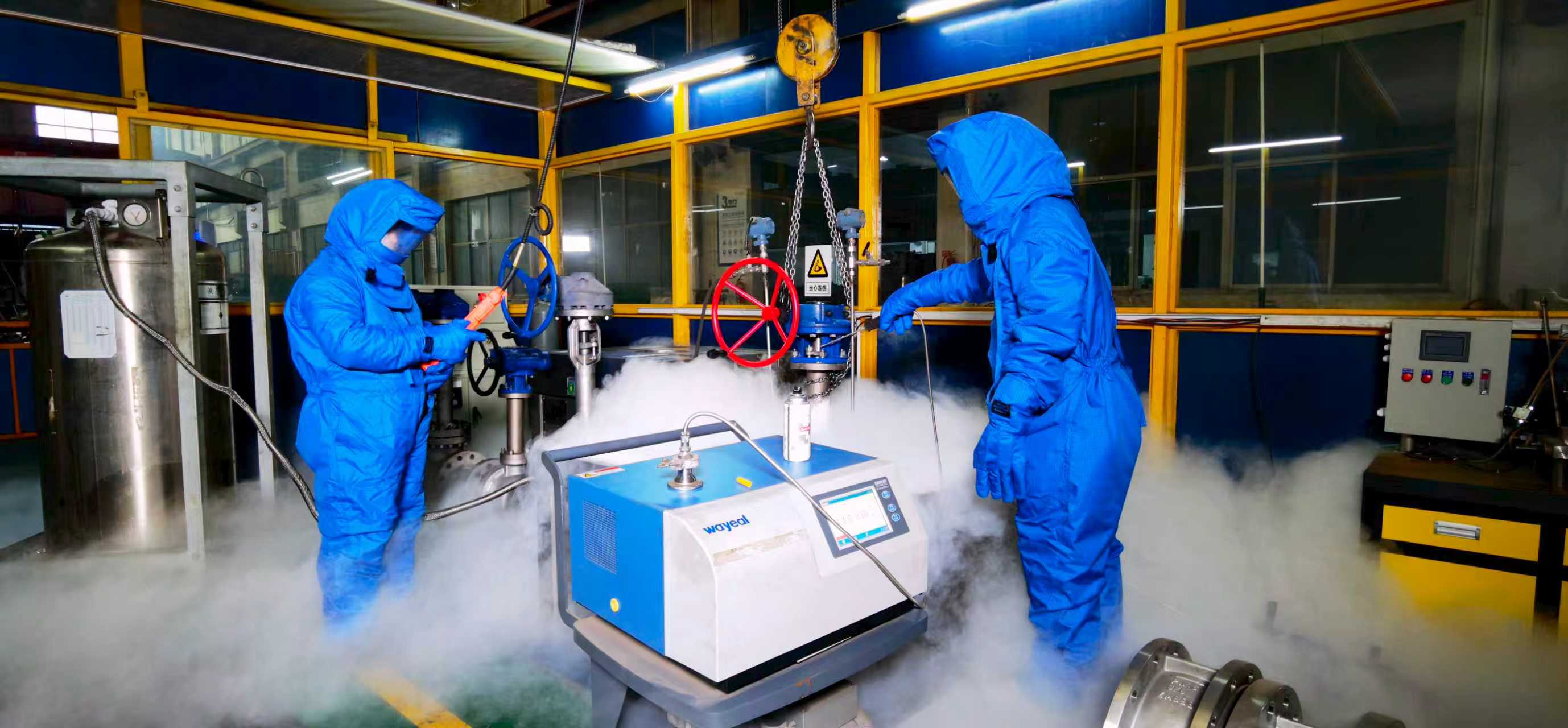
In the competitive landscape of China's high-pressure valve manufacturing, industry leaders like Zhejiang Valve Group and Anhui Flow Control have carved out significant niches through continuous innovation and rigorous quality standards. These firms leverage advanced materials such as super-alloys and corrosion-resistant alloys, coupled with precision engineering, to produce valves that can withstand extreme conditions in sectors like oil and gas, power generation, and chemical processing. Their global reach is bolstered by strategic partnerships and certifications, including ISO and API standards, enabling them to supply critical components to international projects while maintaining cost-effectiveness.
Beyond the giants, emerging players such as Shanghai Valve Dynamics are gaining traction by specializing in niche applications like nuclear energy and aerospace, where safety and reliability are paramount. These companies often invest heavily in R&D, collaborating with universities and research institutes to develop proprietary technologies, such as smart valves with IoT-enabled monitoring systems. This focus on customization and technological edge allows them to cater to specific client needs, differentiating themselves from mass-market competitors and driving growth in specialized industrial segments.
Market dynamics are further shaped by regional clusters, notably in provinces like Jiangsu and Sichuan, where local manufacturers benefit from supply chain efficiencies and government support for high-tech manufacturing. However, challenges persist, including rising raw material costs and stringent environmental regulations, pushing these firms to adopt sustainable practices like energy-efficient production lines. As demand surges globally for safer and more efficient industrial operations, China's high-pressure valve manufacturers continue to evolve, balancing scale with agility to capture opportunities in both domestic and international markets.
Innovations Driving Valve Performance in Chinese Factories
In recent years, Chinese valve manufacturers have made significant strides in enhancing performance through targeted innovations. By focusing on materials science, companies are integrating advanced alloys and composite materials that offer superior corrosion resistance and durability, even in demanding industrial environments. This shift is driven by a growing emphasis on custom solutions tailored to specific applications, such as high-pressure systems in the energy sector or precise flow control in chemical processing, ensuring valves not only meet but exceed operational requirements with reduced maintenance needs.
Another key area of innovation lies in smart technology integration, where sensors and IoT connectivity are transforming traditional valves into intelligent components. These upgrades enable real-time monitoring of parameters like pressure, temperature, and flow rates, allowing for proactive maintenance and optimizing system efficiency. Chinese factories are leveraging this technology to improve predictive analytics, minimize downtime, and enhance safety protocols, positioning their products at the forefront of the global market with a clear competitive edge in reliability and adaptability.
Additionally, advancements in manufacturing techniques, such as additive manufacturing and precision machining, are streamlining production while boosting performance. These methods allow for intricate designs with tighter tolerances, resulting in valves that operate more smoothly and efficiently. Coupled with a focus on sustainable practices, including energy-efficient designs and recyclable materials, these innovations not only drive performance but also align with broader environmental goals, showcasing Chinese industry's commitment to cutting-edge solutions that are both practical and forward-thinking.
Standards and Certifications for Chinese Forged Steel Valves
In the global industrial landscape, Chinese forged steel valves stand out by adhering to a diverse array of standards that ensure reliability and performance. Beyond common international frameworks like API and ANSI, manufacturers in China often integrate rigorous national specifications, such as GB standards, which address specific material composition and testing protocols. This dual-compliance approach helps these valves meet the demands of both domestic projects and international markets, fostering adaptability across sectors like oil and gas or power generation.
Certification processes for these valves emphasize meticulous testing under real-world conditions, including high-pressure and temperature scenarios. Many Chinese producers undergo audits from recognized bodies, such as ISO or CE, but also pursue specialized certifications tailored to niche applications, enhancing their credibility. This thorough verification not only bolsters safety but also builds trust with clients seeking durable solutions for critical infrastructure.
As competition intensifies, Chinese suppliers differentiate their offerings by continuously updating their certifications to reflect technological advancements and evolving market needs. They often highlight unique testing methods or environmental compliance aspects that set their valves apart, ensuring that each product delivers not just functionality but also a competitive edge in terms of longevity and operational efficiency.
Custom Solutions for High-Pressure Valve Applications
In the demanding world of high-pressure valve applications, a one-size-fits-all approach simply won't suffice. Each system has its own unique challenges, whether it's handling corrosive fluids in chemical processing, managing extreme temperatures in power generation, or ensuring precise control in oil and gas pipelines. That's why custom solutions are essential for optimizing performance, safety, and longevity. By designing valves tailored to specific operational requirements, engineers can address critical factors like pressure ratings, material compatibility, and environmental conditions. This customized approach often involves advanced materials like superalloys or specialized coatings, innovative sealing mechanisms to prevent leaks under immense stress, and engineering modifications to fit complex installation spaces. The result is a valve that doesn't just meet standards but exceeds expectations, delivering reliable performance in the most demanding scenarios.
What sets custom high-pressure valve solutions apart is their ability to incorporate cutting-edge technologies seamlessly. For instance, we might integrate smart sensors for real-time monitoring of pressure and flow rates, enabling predictive maintenance and reducing downtime. In aerospace or defense applications, where weight and space are at a premium, custom valves can be engineered with lightweight materials and compact designs without compromising on durability. Additionally, custom solutions often involve rigorous testing protocols, including burst pressure tests and fatigue analysis, to ensure they can withstand repeated cycles of high-pressure operation. This attention to detail not only enhances safety but also provides peace of mind for operators who rely on these valves in critical processes.
Beyond technical specifications, customizing high-pressure valves also considers user experience and operational efficiency. Features like ergonomic actuators, ease of maintenance with replaceable components, and adaptability to existing control systems can make a significant difference in day-to-day operations. For example, in a refinery where valves are exposed to harsh environments, custom designs might include corrosion-resistant finishes or simplified disassembly for quick repairs. By collaborating closely with clients to understand their specific pain points and goals, custom solutions transform valves from mere components into integral parts of a high-performance system. This collaborative approach ensures that every valve is not just functional but a strategic asset that contributes to overall productivity and reliability.
Supply Chain and Market Trends in China's Valve Sector
China's valve industry has undergone a remarkable transformation over the past decade, evolving from a primarily low-cost manufacturing hub into a dynamic ecosystem that blends scale with technological innovation. The supply chain now features a strong network of domestic suppliers for raw materials like cast iron, steel, and alloys, reducing reliance on imports and enhancing resilience against global disruptions. At the same time, strategic clustering in regions such as Zhejiang, Jiangsu, and Guangdong fosters collaboration among manufacturers, component producers, and logistics firms, enabling rapid adaptation to market demands and cost efficiencies that keep Chinese valves competitive on the world stage.
Market trends are increasingly shaped by a dual focus on digitalization and sustainability, setting China apart in the global arena. Smart valves equipped with IoT sensors and automation capabilities are gaining traction, driven by domestic policies like 'Made in China 2025' and growing industrial automation needs. This shift isn't just about product upgrades; it's reshaping entire business models, with companies offering predictive maintenance services and data-driven solutions that appeal to sectors like oil and gas, water treatment, and power generation. Meanwhile, a surge in environmental regulations is pushing the industry toward eco-friendly designs, such as zero-leakage valves and energy-efficient models, aligning with China's broader carbon neutrality goals and opening niches in green infrastructure projects.
Looking ahead, the sector's trajectory hinges on navigating global trade dynamics while deepening its innovation edge. Export markets remain crucial, with Chinese valve makers expanding into emerging economies in Asia, Africa, and Latin America, often through tailored products that balance affordability with reliability. However, challenges like rising labor costs and international competition are spurring investments in advanced manufacturing technologies, including 3D printing and robotics, to maintain a competitive advantage. This blend of supply chain agility and market foresight suggests that China's valve industry isn't just keeping pace—it's actively redefining standards, making it a key player to watch in the coming years.
FAQ
High-pressure forged steel valves offer superior strength and durability, making them ideal for demanding environments like oil and gas or chemical processing. Their forged construction ensures tight seals and resistance to corrosion, reducing maintenance needs and enhancing safety.
Chinese manufacturers implement rigorous testing protocols, including pressure and material inspections, alongside certifications like ISO 9001. Many use advanced CNC machining and employ skilled technicians to maintain precision and consistency in every valve.
Industries such as petrochemical, power generation, and marine sectors frequently use these valves due to their ability to handle extreme pressures and temperatures. They're critical for controlling fluid flow in pipelines and systems where reliability is paramount.
Recent innovations include smart valve technology with sensors for real-time monitoring, as well as enhanced materials like alloy steels for better performance. Manufacturers are also focusing on eco-friendly designs to reduce environmental impact.
Buyers should evaluate factors like production capacity, customization options, and after-sales support. Checking for industry certifications and visiting facilities can help assess a manufacturer's reliability and expertise.
Common issues include wear from high-pressure cycles and potential leaks. Regular maintenance, using genuine spare parts, and following manufacturer guidelines—such as lubrication schedules—can extend valve life and prevent failures.
Conclusion
China's high-pressure forged steel valve manufacturing sector stands out for its refined production techniques, which integrate advanced forging methods to enhance material strength and durability. Key players in the industry leverage these techniques to deliver reliable valves for demanding applications, supported by rigorous quality control and efficient supply chains. As market trends evolve, these manufacturers prioritize innovation to meet global standards, ensuring their products remain competitive in the international arena. The focus on customized solutions further allows them to address specific client needs, from industrial plants to energy projects, fostering trust and long-term partnerships.
Innovations driving valve performance are deeply embedded in Chinese factories, where research and development efforts lead to improvements in efficiency, corrosion resistance, and pressure handling. Adherence to international standards and certifications, such as API and ISO, underscores the commitment to quality, while supply chain optimization ensures timely delivery and cost-effectiveness. This holistic approach not only supports market trends like sustainability and digitalization but also positions China as a key global supplier, offering tailored solutions that tackle complex high-pressure challenges with precision and reliability.
Contact Us
Contact Person: Lucas Lin
Email: [email protected]
Tel/WhatsApp: 8613968913000
Website: https://www.zhengmaogroup.com