

Grain Oriented Electrical Steel Dealers: Your Go-To Guide for High-Efficiency Solutions
2026-04-15
In the dynamic world of industrial innovation, grain oriented electrical steel stands as a cornerstone of energy-efficient solutions, driving performance in countless applications. Yet, navigating the market to find reliable dealers offering high-quality products can be a daunting task. That's where this guide comes in—designed to be your essential resource for identifying top-tier grain oriented electrical steel dealers who deliver on both efficiency and reliability. As a leader in this field, Jiangsu Baowu New Materials exemplifies the commitment to advanced materials that redefine industry standards. In the following sections, we'll explore key factors to consider, spotlight industry trends, and uncover insights to help you make informed decisions, ensuring you partner with suppliers that truly elevate your projects.
Expert Grain-Oriented Electrical Steel Selection Tips
When it comes to choosing grain-oriented electrical steel, one key tip from seasoned engineers focuses on the material's magnetic properties, particularly its permeability and core loss characteristics. These factors directly influence the performance of transformers and motors, so it's essential to review datasheets for values measured at specific frequencies and operating temperatures. Additionally, consider the steel's coating—a high-quality insulation layer can reduce eddy currents and improve efficiency in high-frequency applications. Don't just settle for off-the-shelf options; consulting with suppliers who provide custom grades might reveal better-suited materials for your unique design constraints.
Another critical aspect often overlooked is the lamination thickness and stamping process, as these affect the steel's mechanical and electrical behavior in assembled components. For projects demanding minimal energy waste, opt for thinner laminations processed with precision tooling to minimize air gaps and magnetic saturation issues. It's also wise to evaluate the steel's grain structure orientation relative to the flux path—proper alignment can enhance magnetic performance by up to 20% in some cases, making it worth the extra testing effort during prototype phases.
Lastly, consider the supply chain and long-term reliability of the steel, including factors like availability, certification standards, and environmental impact. Many experts recommend sourcing from manufacturers with a proven track record in electrical steel production to ensure consistent quality and adherence to industry norms like ISO and ASTM. Incorporating lifecycle analysis into your selection can also help balance cost and performance, as premium grades might offer better durability and lower maintenance over time.
Key Benefits of Choosing the Right Electrical Steel Dealer
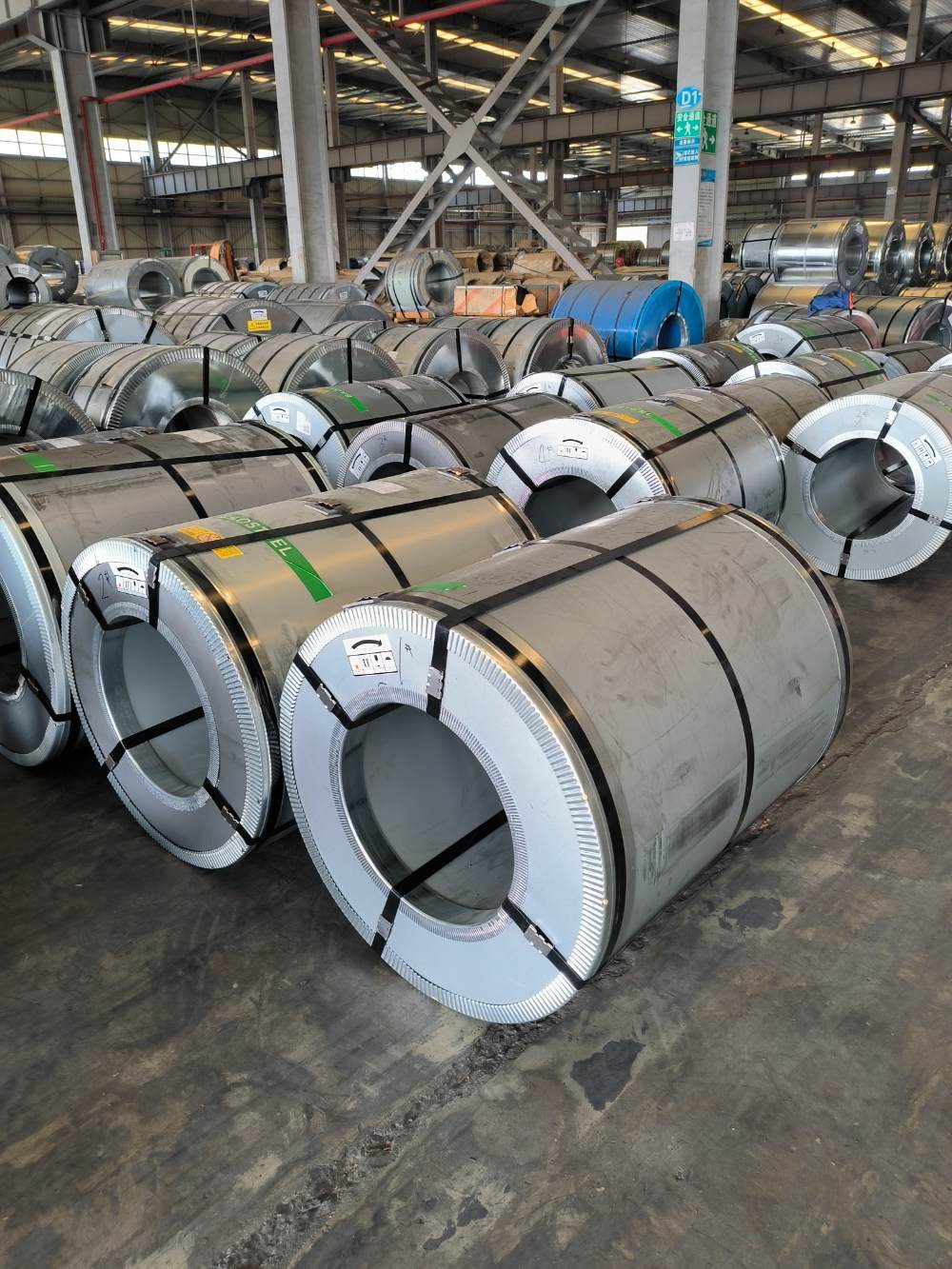
When you partner with a reliable electrical steel dealer, you unlock advantages that directly impact your operations and bottom line. You'll likely experience smoother material sourcing, with fewer delays and supply chain headaches that can disrupt production schedules. This translates into more predictable project timelines and cost savings from reduced downtime. Moreover, a dependable dealer often provides comprehensive technical support, helping you select the best grades and specifications for your specific applications, whether for transformers, motors, or other electrical equipment. This personalized guidance can lead to improved performance and efficiency in your end products, giving you a competitive edge in the market.
A top-tier dealer focuses on building lasting relationships rather than just making one-off sales. They take the time to understand your unique requirements and challenges, offering tailored solutions that might include flexible ordering options, customized packaging, or even inventory management services. This level of attention ensures you receive materials that meet exacting standards, reducing waste and rework. Additionally, such dealers are often quick to adapt to industry changes, keeping you informed about new steel developments or regulatory shifts that could affect your projects. This proactive approach helps you stay ahead of trends and maintain compliance without extra effort on your part.
Beyond quality and service, the right dealer adds value through reliability and transparency. You can trust them to deliver consistent, high-grade electrical steel that meets certifications and performance criteria, minimizing risks of defects or failures in your equipment. This reliability extends to pricing and communication—clear quotes, honest timelines, and straightforward terms prevent surprises and build trust over time. In an industry where precision matters, choosing a dealer with a solid reputation means fewer headaches and more confidence in your materials, ultimately supporting long-term success and innovation in your manufacturing or engineering endeavors.
Comparing Different Grain-Oriented Steel Grades for Applications
When selecting grain-oriented steel grades for electrical applications, engineers often weigh factors like magnetic permeability and core loss performance. For instance, high-permeability grades might excel in transformers requiring minimal energy dissipation, while standard grades could suffice for less demanding scenarios where cost-efficiency is prioritized. This comparison helps tailor material choices to specific operational needs, ensuring optimal performance without over-engineering.
In practice, differences in grain orientation impact how steel responds to alternating magnetic fields, influencing efficiency in devices like motors and generators. Some advanced grades offer reduced hysteresis losses, making them ideal for high-frequency applications, whereas others might provide better mechanical strength for rugged environments. Understanding these nuances allows designers to balance technical specifications with practical constraints, such as thermal stability and manufacturing feasibility.
Moreover, recent innovations in steel processing have introduced grades with enhanced texture control, leading to improved magnetic properties tailored for niche markets. Comparing these options involves not just technical data but also considerations like availability and lifecycle costs, guiding users toward informed decisions that align with both performance goals and industry standards.
How to Evaluate Supplier Quality and Reliability
When it comes to assessing supplier quality and reliability, diving beyond surface-level metrics is essential. Start by examining their track record—look at past performance data, customer testimonials, and any certifications they hold, such as ISO standards. This helps gauge consistency in delivering products that meet your specifications. Don't just rely on paper trails; consider conducting on-site visits to inspect their facilities and processes firsthand, which can reveal insights into their operational efficiency and commitment to quality control.
Another key aspect is evaluating communication and response times. A reliable supplier should be transparent about potential delays, material shortages, or other issues that could impact your supply chain. Engage in regular dialogues to assess their problem-solving capabilities and willingness to collaborate on improvements. This proactive approach can prevent disruptions and foster a stronger partnership, ensuring they adapt to your evolving needs without compromising on deliverables.
Finally, incorporate risk management strategies into your evaluation. Analyze factors like financial stability, geographic location, and backup plans in case of emergencies. Using scoring systems or checklists can help standardize assessments, but tailor these tools to your specific industry requirements for a more nuanced view. By combining quantitative data with qualitative observations, you'll build a comprehensive picture that not only verifies current reliability but also predicts future performance, giving you confidence in your supplier choices.
Innovative Solutions for Enhanced Power Efficiency
In today's energy-conscious world, improving power efficiency isn't just a technical challenge—it's a necessity for sustainability and cost savings. One standout approach involves leveraging advanced machine learning algorithms to optimize energy consumption in real-time. By analyzing patterns in usage data, these systems can automatically adjust settings in smart grids or industrial processes, reducing waste without compromising performance. Imagine a factory where every machine fine-tunes its power draw based on predictive models; that's the kind of innovation driving significant efficiency gains.
Another cutting-edge solution focuses on integrating renewable energy sources more seamlessly with existing infrastructure. For instance, novel battery storage technologies, such as solid-state or flow batteries, are being developed to store excess solar or wind power efficiently. This not only smooths out fluctuations in supply but also enables greater reliance on clean energy, cutting down fossil fuel dependency. By combining these storage systems with intelligent distribution networks, communities can achieve higher power efficiency levels while moving toward greener energy portfolios.
Beyond hardware, behavioral and design innovations play a crucial role. Architects and engineers are increasingly adopting passive design strategies, like natural ventilation and daylight harvesting, to minimize energy needs in buildings. Coupled with IoT-enabled sensors that monitor occupancy and environmental conditions, this results in spaces that adapt dynamically to user demands. Such holistic approaches demonstrate that enhanced power efficiency isn't solely about upgrading technology—it's about rethinking how we interact with energy in our daily lives to foster smarter, more responsible consumption.
Future Trends in High-Performance Electrical Steel
The next generation of high-performance electrical steel is poised to revolutionize energy efficiency across various industries, driven by advancements in material science and manufacturing techniques. Researchers are increasingly focusing on developing ultra-thin grain-oriented silicon steel with improved magnetic properties, allowing for reduced core losses in transformers and motors. This trend is particularly crucial as global efforts to decarbonize energy systems intensify, pushing demand for more efficient electrical infrastructure. Innovations like nanotechnology coatings and novel alloying elements are enhancing steel's permeability while minimizing eddy current losses, setting the stage for lighter, more compact designs in electric vehicles and renewable energy applications.
A standout trend involves the integration of smart materials and digital twins into electrical steel production, enabling real-time monitoring and optimization of performance characteristics. Companies are leveraging AI-driven simulations to predict how microscopic grain structures affect magnetic behavior, leading to customized solutions for specific operational environments. This shift from one-size-fits-all products to tailored formulations allows for better heat dissipation and noise reduction in high-frequency applications, such as data centers and industrial machinery. Additionally, there's a growing emphasis on sustainability, with manufacturers exploring recycled content and eco-friendly processing methods to reduce the carbon footprint of steel production without compromising electrical properties.
Looking ahead, the convergence of high-performance electrical steel with emerging technologies like wireless power transfer and advanced robotics is creating new possibilities. For instance, enhanced steel grades are enabling more efficient inductive charging systems for electric vehicles, reducing energy waste during transmission. In robotics, improved magnetic responsiveness supports precise motor control, boosting productivity in automated manufacturing lines. As industries prioritize energy conservation and operational reliability, these trends underscore a move towards smarter, more adaptable materials that not only meet current standards but also anticipate future challenges, ensuring electrical steel remains a cornerstone of technological progress.
FAQ
Grain oriented electrical steel offers significantly lower core loss and higher permeability in the rolling direction, making it ideal for transformers where efficiency and reduced energy waste are critical.
Reputable dealers partner with certified manufacturers, provide detailed material specifications like M-4 or M-5 grades, and often offer batch testing reports to verify magnetic properties and coating integrity.
Yes, many dealers supply customized dimensions, slitting services, and specific coating options (such as C-4 or C-5 insulation) to match unique engineering requirements and optimize performance.
Key factors include the dealer's industry experience, availability of technical support, lead times, certification compliance (e.g., ISO standards), and their ability to source from reliable mills like Nippon Steel or ThyssenKrupp.
It's less suitable for rotating machinery like motors, where non-oriented steel is preferred due to isotropic magnetic properties; grain oriented steel excels in static applications like power transformers and inductors.
Pricing depends on factors like order volume, steel grade, coating type, and market demand—dealers may offer competitive rates for bulk purchases or long-term contracts, with fluctuations based on global raw material costs.
It requires careful handling to avoid bending or stress that degrades magnetic properties; dealers often advise storing in dry, flat conditions and using edge protectors during transport to prevent coating damage.
Many offer guidance on meeting standards like DOE (Department of Energy) regulations in the U.S. or IEC norms, helping clients select grades that minimize losses and comply with environmental mandates.
Conclusion
Navigating the world of grain-oriented electrical steel dealers requires a strategic approach to maximize efficiency and reliability in electrical applications. This guide emphasizes the importance of expert selection tips, highlighting how to compare different steel grades tailored to specific uses, from transformers to motors. By understanding key benefits like reduced core losses and enhanced magnetic properties, businesses can evaluate supplier quality and reliability effectively.
Furthermore, innovative solutions are driving enhanced power efficiency, with dealers offering advanced materials that minimize energy waste. Looking ahead, future trends in high-performance electrical steel point toward sustainable and cost-effective developments, making informed dealer choices crucial for staying competitive in an evolving industry.
Contact Us
Contact Person: Zoe Liang
Email: [email protected]
Tel/WhatsApp: 86 189 2128 6299
Website: https://www.baowuchina.com