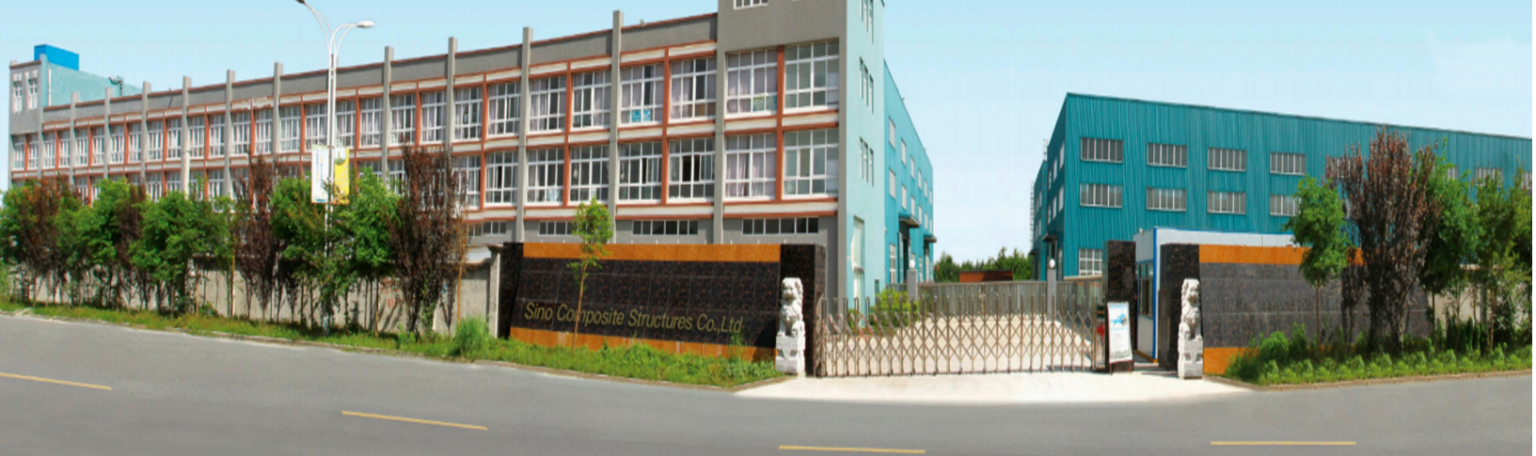
FRP Manhole Cover Factory: Innovative Manufacturing Solutions for Durable Infrastructure
2026-03-12
In the complex network of urban infrastructure, one element often walks unnoticed beneath our feet: the humble manhole cover. Yet, when these covers fail—whether cracking under pressure or succumbing to corrosion—the consequences ripple through our daily lives. At Sino Grating, we recognized this challenge and set out to redefine durability from the ground up. Welcome to a behind-the-scenes look at our FRP manhole cover factory, where innovation meets resilience. This blog explores how our cutting-edge manufacturing solutions are not just producing covers, but engineering peace of mind for cities worldwide. Curious about what makes our approach stand out? Dive in to discover the science and strategy behind infrastructure that lasts.
Advanced Production Techniques for Superior FRP Manhole Covers
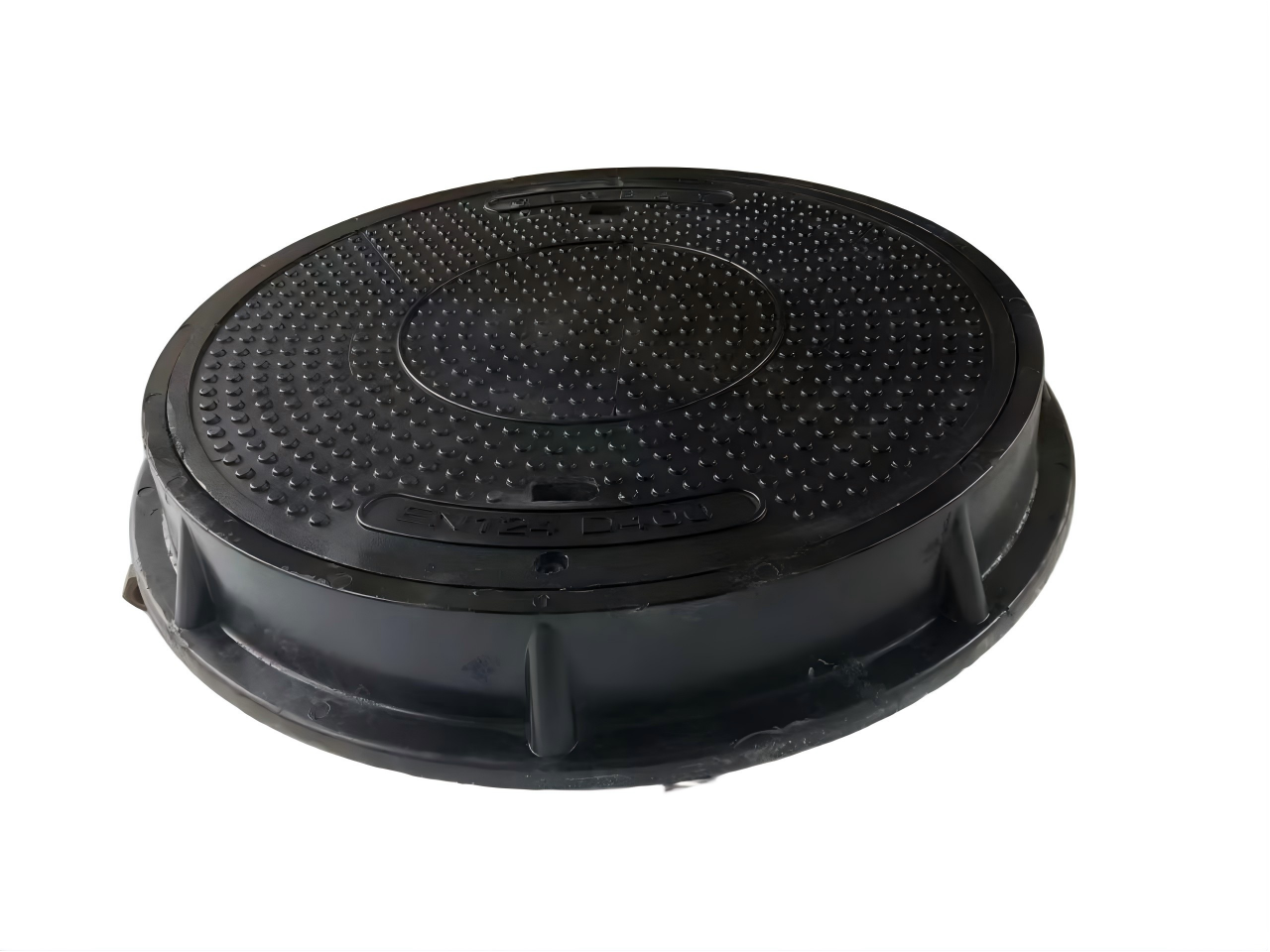
When it comes to manufacturing FRP (Fiber Reinforced Polymer) manhole covers, achieving superior quality hinges on advanced production techniques that go beyond basic molding. One key approach is the use of vacuum infusion, which ensures complete resin saturation and minimizes air voids, resulting in covers with exceptional structural integrity and resistance to environmental stress. This method allows for precise control over resin-to-fiber ratios, enhancing durability and load-bearing capacity in harsh urban or industrial settings.
Another cutting-edge technique involves automated filament winding or pultrusion processes, which enable the production of covers with consistent thickness and optimized fiber alignment. These methods not only improve mechanical properties like tensile strength and impact resistance but also reduce material waste and production time. By integrating quality control sensors during fabrication, manufacturers can detect defects early, ensuring that each cover meets rigorous standards for longevity and safety, even under heavy traffic loads.
Innovations in surface finishing, such as applying advanced coatings or textures, further set superior FRP covers apart. These techniques enhance slip resistance, UV protection, and corrosion resistance, making them ideal for diverse climates. By adopting a holistic approach that combines these advanced methods, producers can deliver FRP manhole covers that are not only robust and reliable but also customizable to meet specific project requirements, thereby outperforming traditional materials in terms of both performance and cost-efficiency over their lifecycle.
Custom Solutions Tailored to Urban Infrastructure Needs
In today's rapidly evolving cities, one-size-fits-all approaches simply fall short. Urban infrastructure—whether it's transportation systems, energy grids, or water networks—faces unique challenges shaped by local geography, population density, and economic factors. Customized solutions dive deep into these specifics, crafting strategies that not only meet immediate needs but also anticipate future growth and resilience. By analyzing data on traffic patterns, environmental conditions, and community feedback, cities can implement targeted upgrades that reduce congestion, enhance sustainability, and improve quality of life for residents.
For instance, a coastal city might prioritize flood-resistant drainage systems and renewable energy integration to combat rising sea levels, while a sprawling metropolis could focus on smart traffic management and public transit expansions. These tailored approaches often involve collaborative efforts with local engineers, urban planners, and technology experts, ensuring that every solution aligns with the city's cultural and operational context. This hands-on customization fosters innovation, like modular housing projects in dense areas or decentralized waste management systems, making urban infrastructure more adaptive and efficient over time.
Ultimately, customizing urban infrastructure goes beyond mere technical fixes—it builds smarter, more livable communities. By embracing flexibility and local insights, cities can turn challenges into opportunities for sustainable development.
Ensuring Endurance in Harsh Environmental Conditions
To thrive in challenging environments, it's all about selecting the right components and smart design from the get-go. Think materials that shrug off extreme temperatures or corrosive elements, like specialized alloys or rugged polymers. It’s not just about surviving; it's about maintaining peak performance when conditions are at their worst.
Testing plays a huge role here—we don't just assume things will hold up. We run simulations and real-world trials that mimic the harshest scenarios you can imagine, from desert heatwaves to icy blizzards. This approach helps us spot weak points early and tweak designs to ensure everything keeps ticking smoothly, no matter what the weather throws at it.
Beyond hardware, it's about building resilience into the system itself, with features like sealed enclosures and advanced thermal management. We aim for solutions that are not only tough but also adapt over time, learning from environmental stresses to improve durability without constant maintenance.
Streamlined Processes for Efficient Manufacturing and Delivery
In today's competitive landscape, manufacturers are turning to streamlined processes to cut waste and boost speed—not just on the factory floor, but all the way to the customer's door. By integrating lean principles with real-time data analytics, companies can spot bottlenecks early and adapt on the fly, ensuring that every step from raw material sourcing to final assembly moves like clockwork. This holistic approach doesn't just trim costs; it fundamentally reshapes how products flow, making businesses more agile in responding to market shifts.
What sets this apart is the seamless handoff between manufacturing and logistics. Rather than treating delivery as an afterthought, forward-thinking firms embed shipping considerations into the design phase, using predictive models to optimize packaging and routing. Imagine a system where components are assembled just-in-time, automatically triggering pre-scheduled transport slots—this reduces warehouse dwell time and slashes the risk of delays, giving customers a consistent, reliable experience that builds lasting trust.
Beyond efficiency, these refined workflows foster sustainability and innovation. By minimizing excess inventory and transportation miles, companies lower their carbon footprint while freeing up resources for R&D. Employees, too, benefit from clearer roles and automated mundane tasks, allowing them to focus on creative problem-solving. In essence, a streamlined process isn't a one-time fix; it's a dynamic culture of continuous improvement that keeps operations sharp and customer satisfaction high, setting a benchmark others struggle to match.
Innovative Design Features Enhancing Safety and Accessibility
Safety and accessibility are paramount in modern design, and innovative features are transforming everyday products and spaces to meet these needs. For instance, smart lighting systems automatically adjust brightness based on room occupancy and natural light levels, reducing eye strain and minimizing tripping hazards in dimly lit areas. Similarly, non-slip surfaces with integrated antimicrobial coatings not only prevent slips and falls but also promote hygiene, especially in high-traffic spaces like hospitals and schools. These elements combine aesthetics with functionality, creating environments that prioritize well-being without compromising on style.
In public infrastructure, adaptive technologies enhance accessibility for individuals with diverse abilities. Consider curb ramps with tactile paving that guides visually impaired users, coupled with audible signals at crosswalks that provide real-time feedback. These features ensure seamless navigation in urban settings, fostering inclusion. Moreover, adjustable-height counters and automated doors in buildings accommodate users of all ages and mobility levels, making spaces more welcoming and reducing physical barriers. By integrating such thoughtful elements, designers can craft experiences that are both safe and universally accessible.
Beyond physical attributes, digital innovations are revolutionizing safety and accessibility. Voice-activated controls in smart homes allow users to operate devices hands-free, benefiting those with limited dexterity while minimizing risks like electrical shocks. Apps with personalized alerts can notify users of potential hazards, such as wet floors or construction zones, enhancing situational awareness. This holistic approach, blending advanced materials and intelligent systems, ensures that safety and accessibility evolve in tandem with technological advancements, offering practical solutions that enrich daily life.
Commitment to Sustainable Practices in Infrastructure Products
Our dedication to sustainable practices in infrastructure products stems from a deep-seated belief that longevity and environmental responsibility are not mutually exclusive. We’ve moved beyond simply adhering to regulations—instead, we embed sustainability into every stage, from sourcing raw materials to end-of-life recycling. By focusing on durability and reducing waste, our products not only meet today’s needs but also safeguard resources for future generations.
One key aspect of our commitment involves innovative material choices that minimize environmental impact without compromising performance. For instance, we prioritize locally-sourced, renewable materials and integrate recycled components wherever feasible. This approach cuts down on transportation emissions and supports circular economies, making our infrastructure solutions both resilient and eco-friendly.
Beyond materials, we actively engage in lifecycle assessments to identify areas for improvement, ensuring our products remain adaptable as sustainability standards evolve. Through ongoing research and collaboration with industry partners, we’re setting new benchmarks for ethical production and long-term value, proving that infrastructure can be a force for positive change in our communities.
FAQ
FRP manhole covers are made from fiber-reinforced polymer, offering superior corrosion resistance and strength, which extends the lifespan of infrastructure by reducing maintenance needs.
The factory utilizes advanced molding techniques and automation to produce custom-designed covers with precise specifications, improving efficiency and product consistency.
These covers are lightweight, reducing transportation emissions, and are recyclable, supporting sustainability efforts in urban development.
They are ideal for harsh environments like coastal areas or industrial zones due to their non-conductive and corrosion-resistant properties.
Yes, the factory offers design flexibility, allowing for custom colors, shapes, and load capacities to align with diverse infrastructure needs.
FRP covers outperform metal by not rusting or corroding, leading to longer service life and lower long-term costs.
Yes, their non-slip surface and lightweight nature reduce installation risks and improve pedestrian safety in high-traffic areas.
Conclusion
The FRP Manhole Cover Factory stands at the forefront of innovative manufacturing, employing advanced production techniques to create superior FRP manhole covers that excel in durability and performance. By integrating streamlined processes, the factory ensures efficient manufacturing and delivery, while its commitment to sustainable practices underscores a responsible approach to infrastructure products. These efforts collectively support the development of reliable urban systems through tailored solutions that meet specific needs.
In harsh environmental conditions, the factory's products demonstrate exceptional endurance, thanks to innovative design features that enhance safety and accessibility. This focus on resilience and customization not only addresses immediate infrastructure challenges but also contributes to long-term urban sustainability. Through a holistic blend of technology, efficiency, and environmental stewardship, the factory delivers durable solutions that shape resilient and forward-thinking infrastructure worldwide.
Contact Us
Contact Person: Nicholas Zhu
Email: [email protected]
Tel/WhatsApp: 18921275456
Website: https://www.sino-grate.com