

Explosion Proof Reactor Heater Import: Essential Guide for Industrial Buyers
2026-10-13
Sourcing explosion-proof reactor heaters isn't just another purchase—it's a decision that directly impacts plant safety, uptime, and regulatory compliance. Industrial buyers often face a maze of certifications, material specs, and supplier claims, with little room for error. This guide strips away the noise, walking you through what actually matters when importing these critical components. Along the way, you'll see why a growing number of procurement teams rely on Shenzhou Chemical Industry for heaters that hold up under pressure—literally.
Start by Mapping Your Reactor’s Thermal Profile Before You Quote a Single Heater
A reactor rarely heats evenly, and assuming uniform wall temperatures is the quickest way to size a heater wrong. Before you look at wattage, pull the existing temperature data—thermocouple placements, hot spots near the agitator, cold zones where product thickens. Map those gradients across the vessel surface and note how they shift during heat-up, holding, and cooling cycles. Without that profile, any quote is just a guess dressed in calculations.
Once the profile is in front of you, match the heater layout to the actual heat loss pattern, not the average. A zone that runs 30°C cooler than the rest of the jacket doesn't need a bigger overall heater; it needs more watt density in that band or a separate control zone. This is also where insulation choices and nozzle losses show up. If you skip this step, you'll end up paying for extra kilowatts that fight each other instead of holding the process where it needs to be.
The quote should come last. With the thermal map in hand, you can talk to vendors about specific watt densities, sheath materials, and control zones without getting steered toward an off-the-shelf fit. It keeps the conversation on your process conditions rather than a catalog number, and it gives you a baseline to verify the final design against once the heater arrives.
Explosion-Proof Ratings: What ATEX and IECEx Actually Demand for Imports
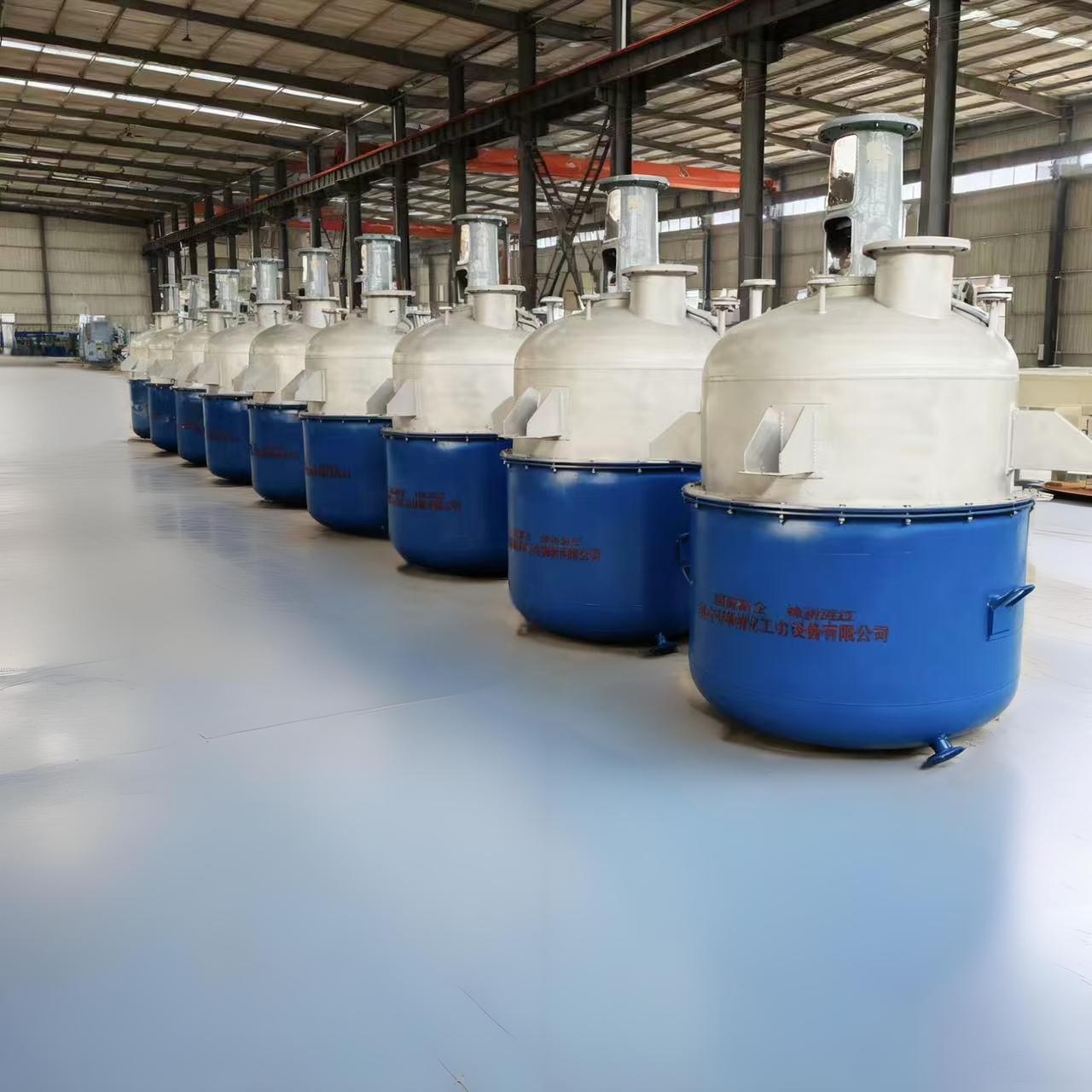
Bringing explosion-proof equipment into regulated markets means facing two overlapping but distinct certification schemes: ATEX for the European Union and IECEx for international acceptance. ATEX is legally mandatory for products sold in the EU and focuses on the manufacturer's declaration, requiring a Notified Body to audit production quality and verify the design against essential health and safety requirements. IECEx, by contrast, is a voluntary certification system built on IEC standards, but many countries outside Europe treat an IECEx certificate as the fastest route to local approval. The practical difference for importers is that ATEX only proves compliance within the EU, while an IECEx certificate can be converted or recognized in Australia, Brazil, the Middle East, and parts of Asia, often with fewer retests.
Zone classification sits at the core of what these ratings actually demand. An importer cannot simply choose "explosion-proof" as a generic feature; the equipment must carry a clear marking such as II 2 G Ex db IIC T4 for ATEX, where the Roman numeral, category, and gas/dust group define the intended hazardous area. IECEx uses a parallel code structure that many engineers mistakenly assume is interchangeable with ATEX. They share technical standards for flameproof or increased-safety designs, but the marking details, documentation language, and unit verification requirements differ. A motor certified for Zone 1 in Europe will not automatically satisfy Zone 1 requirements in South Korea or India without a cross-check of the specific edition of IEC 60079 that each authority enforces.
Documentation demands trip up most first-time importers. ATEX requires a Declaration of Conformity signed by the manufacturer or their authorized representative inside the EU, plus a technical file that a customs authority can request at any time. IECEx goes further with an online certificate database that buyers, inspectors, and customs brokers can query by certificate number, but it also demands that every certified unit carry a unique serial number traceable to factory quality records. If a shipment arrives without the correct marking plate or with a certificate that has been suspended due to an expired factory audit, the goods can be held indefinitely. The lesson for procurement teams is to request the actual certificate PDF and verify its status on the IECEx or European Commission database before the cargo leaves the port of origin.
Watt Density Mistakes That Cause Hot Spots and Shorten Heater Life
Packing too many watts into a small area remains one of the quickest ways to ruin a cartridge heater. When watt density climbs past the level the surrounding material can absorb, the sheath temperature spikes locally. Those hot spots accelerate oxidation, break down the magnesium oxide insulation, and eventually cause the resistance wire to fail long before the expected service life. A common example is pressing a high-watt-density heater into an undersized bore with poor contact; the heat has nowhere to go except back into the element.
Another overlooked mistake is assuming watt density alone determines performance without accounting for the heated medium. The same 60 W/in² heater may run cool in circulating water but glow dull red in stagnant air or a vacuum. If the application involves a low thermal conductivity material like certain plastics or gases, lowering the watt density often extends life more than switching to a higher-temperature alloy. Matching the watt density to the actual heat sink, not the nameplate rating, prevents the uneven thermal expansion that cracks sheaths.
Uneven spacing of the resistance coil also creates hot spots that shorten service life. During manufacturing or after repeated thermal cycling, the coil can shift, bunching turns together in one section. That section becomes hotter than the rest, and the temperature differential stresses the sheath and internal insulation. Regular inspection of failed heaters often shows a single darkened band near the lead end or the tip—a telltale sign of localized overheating rather than uniform wear. Fixing the root cause usually means redistributing the wattage, improving fit, or choosing a lower watt density.
Material Compatibility: Why Stainless Steel Alone Can Fail in Corrosive Batches
Many process engineers default to 316L stainless steel for its general corrosion resistance, but this habit backfires when the batch contains halides, particularly chlorides, or reducing acids. The thin chromium oxide film that makes stainless “stainless” is fragile in these environments—it can be stripped away locally, exposing the underlying iron-nickel matrix to rapid attack.
Pitting and crevice corrosion are the usual failure modes. Once initiated, they progress quickly because the small anodic area inside a pit drives a high current density, while the large surrounding cathode remains passive. Stress corrosion cracking can then follow, especially at welds or cold-worked zones. A material that passes a simple immersion test in clean water may fail within hours in a hot, acidic brine.
The fix is rarely to simply upgrade to a higher alloy stainless. In many corrosive batches, moving to a nickel-based alloy, titanium, or a polymer-lined system is the only way to avoid unplanned downtime. Matching the material to the actual chemistry, temperature, and aeration of the batch—not just the nominal pH—is what separates a reliable process from a recurring maintenance headache.
Import Paperwork Pitfalls That Delay Clearance and Inflate Your Landed Cost
A single discrepancy between the commercial invoice and the packing list can send your shipment into a customs hold that lasts days, not hours. I've seen importers list a generic product description like machine parts only to have the entry rejected because the tariff classification requires exact specifications, from model number and material to function. That one vague line triggers a document review, storage fees at the terminal, and often a formal entry amendment that costs more than the duty savings you were chasing.
Another frequent trap is the certificate of origin. It gets signed but not stamped, or the HS code on the certificate does not match the one on the invoice. Some countries reject the entire shipment until a corrected certificate is couriered over. While you wait, your goods sit at the port accruing demurrage, and your landed cost creeps up in ways no freight quote ever accounted for. Smart importers treat paperwork as part of the product; errors there are as costly as physical damage.
Do not overlook the value declaration either. Under-declaring to reduce duties is a known red flag, but even honest mistakes, such as forgetting to include tooling charges or royalty payments, can trigger a customs valuation audit. Once that opens, you are not just paying the difference; you are dealing with penalties and a flagged importer profile. Accurate, consistent documents across every line item are not a bureaucratic hurdle; they are the cheapest insurance you can buy for predictable clearance.
Auditing Overseas Heater Manufacturers Without Flying Across the Globe
Spotting a reliable heater factory from thousands of miles away starts with rethinking what an audit actually is. Instead of booking a flight and walking the floor, we lean on live video walkthroughs, real-time production data, and unannounced camera check-ins. This method strips away the polished tour and shows how the line operates on a random Tuesday afternoon.
We ask for batch-level quality records tied to the specific heater models we're sourcing, not generic certificates. A manufacturer that can't produce traceable weld inspection reports, thermostat calibration logs, or burn-in test results for past shipments tends to stumble when you push for daily defect rates. We also have independent local inspectors pull samples from the actual production line and ship them to a third-party lab for teardown and safety checks.
What matters most is consistency over time. A one-time video call can be staged, but recurring evidence is harder to fake. We track weekly first-pass yield, customer return reasons, and component supplier changes. If the factory quietly switches from a certified heating element to an unbranded one, that shows up in our review before it ever reaches a container.
FAQ
Look for ATEX or IECEx certification for the motor and terminal housing, plus a UL or CSA listing if the unit will be installed in North America. The certification plate should show the exact hazardous zone and temperature class—don't accept a blanket "explosion proof" claim without this marking.
You need to match the watt density to the thermal sensitivity and viscosity of the material you're heating. Thin solvents can tolerate 40–60 W/in², but heat-sensitive resins or slurries may require 10–15 W/in² to avoid coking or runaway reactions. Ask the supplier for a heat flux calculation based on your process conditions.
The conduit entry size and thread type. A heater built to metric PG threads won't seal properly with NPT conduit fittings in a U.S. plant. Verify the enclosure entry matches your local wiring practice before placing the order—retrofitting in the field can void certification.
Yes, but the heating element bundle and terminal housing must remain certified as an assembly. Any change to the flange or sheath material should be reviewed by the manufacturer's certification engineer. Avoid third-party machine shops altering the terminal box, because that breaks the explosion proof integrity.
The commercial invoice, packing list, certificate of origin, and the original ATEX/IECEx certificate of conformity are essential. If the heater contains a temperature sensor or control panel, include the calibration report and wiring schematic. Missing conformity documents are the most common reason for a hold at the port.
Yes, certified terminal housings and flameproof cable glands often have longer procurement cycles than standard components. A heater with a common wattage and flange size might ship in 4–6 weeks, but a custom temperature class or exotic sheath alloy can push that to 12–16 weeks. Confirm which components are stocked before promising a delivery date.
Check the flame path gaps between the cover and body—never paint or grease these surfaces. Inspect the gasket for swelling or cuts at least every six months, and re-torque the cover bolts to the manufacturer's specification. Any scratch deep enough to catch a fingernail across a flame path means the enclosure should be replaced or recertified.
Conclusion
Before you request a single quote for an explosion-proof reactor heater, take the time to map your reactor's actual thermal profile. Knowing where heat is concentrated, how the fluid moves during a batch, and what temperature differentials your process tolerates will save you from buying a heater that underperforms or overheats locally. The ATEX and IECEx markings are not just stickers—they require a matched zone classification, a notified body certificate, and a technical file that survives customs scrutiny. Overlooking watt density is another common trap: a high watt density that works in water can lead to coking, fouling, or hot spots in viscous or heat-sensitive media, shortening heater life dramatically.
Material compatibility goes beyond a generic stainless steel sheath. In corrosive batches containing chlorides, acids, or halogenated solvents, 316L can suffer pitting or stress corrosion cracking within months. Specify alloys like Incoloy 825, titanium, or polymer-lined options only after reviewing the full chemical list and temperature cycle. When the heater finally ships, import paperwork often determines whether your landed cost stays within budget. Harmonized System codes, certificates of origin, ATEX/IECEx attestations, and Incoterms must align across the purchase order, commercial invoice, and packing list—any mismatch invites delays and storage fees. For buyers who cannot travel, auditing an overseas manufacturer remotely is now practical: request a live video walkthrough of the production floor, ask to see batch test records, and speak directly with the quality engineer. A few hours of virtual verification can prevent a container-load of non-compliant heaters from reaching your plant.
Contact Us
Contact Person: Mr. Wang
Email: [email protected]
Tel/WhatsApp: 8613705299955
Website: https://vip.e-baixing.com/szhgyw