

Engine Cylinder Head Supplier Guide: Quality Parts for Your Needs
2026-07-15
When your engine starts losing power or burning oil, the culprit often lies in the cylinder head. Finding a reliable supplier isn't just about avoiding downtime—it's about ensuring every component meets demanding performance standards. In this guide, we’ll walk you through what to look for in quality parts, and introduce you to DDR, a name trusted across the industry for precision and durability. Let’s get under the hood and find out why the right choice matters more than you think.
How to Pinpoint Cylinder Heads That Match Your Engine’s Personality
Finding the right cylinder heads isn’t just about flow numbers or chamber volume—it’s about understanding what your engine craves. A high-revving small block wants short-turn radius work that doesn’t choke at 7,000 rpm, while a stump-pulling street motor thrives on port energy and velocity that fattens the torque curve from idle. The casting itself tells a story: 356 T6 aluminum sheds heat faster than iron, but a well-aged 30-year-old production head with the right core shift can surprise you. Don’t get lost in the peak horsepower chase; match the runner volume to where your piston sees maximum demand. A 180cc intake port on a 302 might sing, while a 400-inch engine will feel asthmatic. Start with your camshaft’s personality, then let the head’s cross-section and valve job complete the conversation.
Beyond the dyno sheet, the personality match comes down to feel. An engine that bucks at stoplights because the ports are too large for the displacement—that’s a mismatch you can sense. Pay attention to the seat angles and chamber design; a soft bottom cut on the intake valve can make part-throttle manners silky, while a steep top cut might sacrifice all-around civility for that last tenth. Consider the vehicle’s weight and gearing. Heavy cars with tall gears adore heads that keep the mixture moving at low piston speeds. You’ll notice it when pulling away from a light without having to slip the clutch. That’s the head’s personality shining through—matching the driver’s expectations isn’t an accident, it’s a choice box-stock castings rarely get right.
Finally, look at the hardware through the lens of longevity and maintenance. A cylinder head built with bronze guides and ductile iron seats talks softly about durability, while a race-only piece with titanium valves screams for regular check-ups. If your engine’s personality says “weekend cruiser with occasional hard pulls,” you don’t need a head that demands a valve job every 20 hours. The spark plug location and quench pad shape also whisper secrets about detonation resistance and flame travel. A tight quench with a modern heart-shaped chamber can let you run pump gas on a higher compression ratio, turning what could be a finicky, trailer-queen engine into a user-friendly slice of anger. The best match isn’t always the most expensive or exotic; it’s the one that aligns with how you actually use the throttle.
Reading Between the Lines of Supplier Spec Sheets
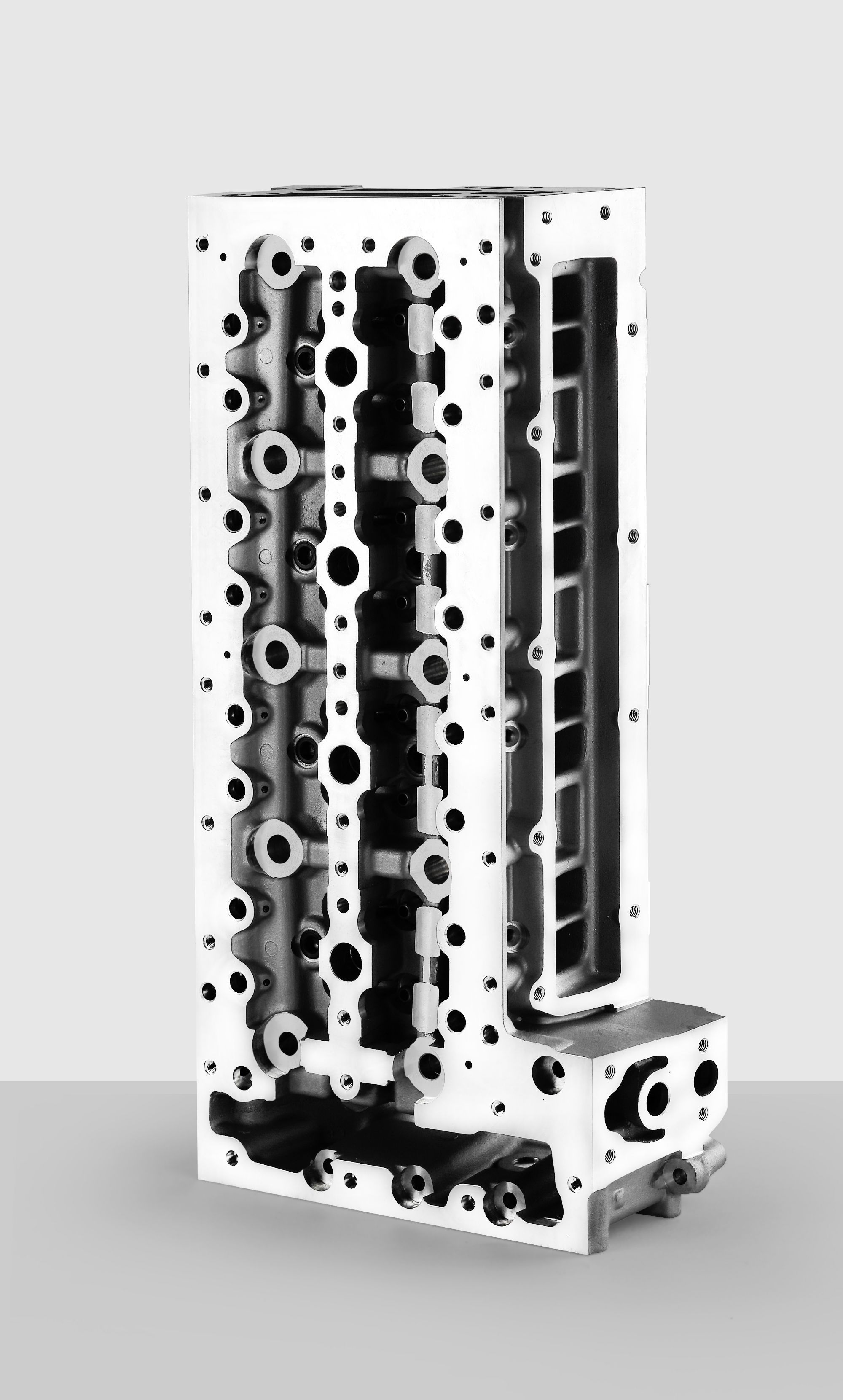
A supplier’s spec sheet is a finely crafted snapshot—staged under ideal conditions, with margins polished and worst-case corners tucked away. The numbers that leap out, like accuracy or bandwidth, are often lab-bench champions that barely break a sweat in a temperature-controlled room. But the real story unfolds when you ask what isn’t highlighted: how does that linearity drift when the board heats up after an hour of operation? Does the noise figure hold when the input signal isn’t perfectly matched? Those unmentioned variables are where real-world performance lives or dies.
Dig into the footnotes and you’ll find the qualifiers that matter. A voltage reference might boast 0.02% initial accuracy, but the temperature coefficient of 15 ppm/°C means a 30-degree shift eats up that margin immediately. Long-term stability specs, when they exist, are often disguised as typical values with no guaranteed ceiling—leaving you to guess where the part drifts after six months or a thousand thermal cycles. On mechanical components, a fatigue limit might only apply to one specific material condition or load axis, rendering cross-application data nearly useless if you don’t replicate their test setup exactly.
The trick isn’t just skepticism; it’s triangulation. Cross-check datasheet figures against what silence on a parameter implies—if a DC-DC converter lacks transient response plots at low line conditions, there’s probably a reason. Run a few quick-and-dirty bench tests on early samples: crank the temperature, sag the supply, inject common-mode noise. And really, pick up the phone. A candid conversation with an applications engineer can surface the unofficial guard bands they build in, or the specific manufacturing lots where that shiny typical number was actually measured.
The Unseen Art of Alloy Selection and Casting Integrity
Behind every durable metal component lies a quiet, deliberate decision-making process that often goes unnoticed. The choice of alloy isn't simply about picking a material off a shelf; it's an intricate balance between metallurgical properties, end-use demands, and the subtle interplay of elements that can make or break a casting. Engineers and foundry experts weigh factors like corrosion resistance, tensile strength, and thermal conductivity, but they also consider how the metal will flow into a mold, how it will solidify, and what hidden stresses might emerge during cooling. This unseen art demands a deep understanding of how tiny percentages of silicon, magnesium, or copper can transform a mundane pour into a masterpiece of structural integrity.
Casting integrity, on the other hand, is the silent guardian of a part's reliability. It isn't just about avoiding visible defects like porosity or cracks; it's about achieving a uniform grain structure, ensuring soundness in critical sections, and predicting how the material will behave under fatigue over years of service. The art here involves controlling variables that are nearly invisible—pouring temperature, mold preheat, cooling rates, and even the humidity in the foundry air. Each decision is a brushstroke that shapes the internal soundness of the final piece, often requiring a blend of experience, intuition, and rigorous testing. Mastering this means knowing when to trust the science and when to rely on the subtle cues that only come from years of hands-on work with molten metal.
Together, alloy selection and casting integrity form a symbiotic relationship that defines the lifespan and performance of everything from engine blocks to surgical instruments. The best foundries don't just follow recipes; they cultivate a culture where each pour is a lesson, and every cast part tells a story of choices made long before the metal ever enters the mold. It's a discipline where art and engineering converge, and the true masters are those who can read the subtle language of solidifying metal, adjusting in real-time to create something that not only meets specifications but exceeds expectations in the real world.
Beyond Fitment: Why Valve Train Geometry Dictates Performance
When assembling a high-performance engine, many builders fixate on whether the valves actually clear the pistons and if the springs can handle the lift. Those are fitment concerns—basic, binary, and far from the whole story. The reality is that the relationship between the rocker arm, pushrod, valve stem, and spring is a dynamic interplay that changes with every degree of crankshaft rotation. Get that geometry even slightly wrong, and you’re not just leaving power on the table; you’re inviting accelerated wear, valvetrain instability, and parts that fatigue well before their time.
Proper geometry ensures that the rocker arm’s sweep across the valve tip is minimal and centered, the pushrod sees linear loading rather than a bending moment, and the valve spring’s forces are transferred as intended. This isn’t about a single static measurement—lifter preload or sweep pattern at mid-lift—but about how those forces track through the entire lift curve. A setup that looks perfect on the bench can develop severe side-loading at high RPM when deflection and harmonics enter the picture, robbing horsepower and hammering guides. The engine doesn’t care about your micrometer if the motion it produces is erratic under load.
Dialing in the valvetrain means accepting that standard-length parts are almost never optimal. Custom pushrods, offset rocker arms, lash caps, and different rocker ratios are all tools to tailor the motion to exactly what the camshaft demands. The payoff is tangible: stable valve control at engine speeds that would otherwise send a lesser setup into float, consistent cylinder-to-cylinder timing, and a valvetrain that survives lap after lap without a hiccup. In that sense, geometry isn’t just a blueprint—it’s the mindset that separates a collection of shiny parts from a genuinely durable, high-output engine.
Decoding Durability in Real-World Operating Conditions
The concept of durability goes far beyond controlled lab tests—it's about how a product holds up when faced with the messy, unpredictable challenges of daily life. Real-world operating conditions introduce a chaotic blend of temperature swings, humidity, vibration, and unexpected user behavior that no simulation can fully replicate. To truly decode durability, engineers must shift their focus from idealized scenarios to the complex, often harsh environments where their designs will actually live. This means embracing field data, learning from failures in the wild, and acknowledging that longevity is not a single number but a dynamic interplay of material choices, usage patterns, and environmental exposure.
One critical aspect often overlooked is the cumulative effect of micro-stresses. A device might survive a single drop or a one-time exposure to extreme cold, but repeated minor impacts, thermal cycles, and prolonged exposure to moisture silently degrade components over months and years. Decoding these subtle degradation mechanisms requires a blend of accelerated life testing that mirrors real-world sequences, coupled with advanced analytics to spot patterns in warranty claims and repair logs. The goal is to uncover the hidden failure triggers—like the way a portable tool's battery contacts corrode just enough in coastal humidity to cause intermittent shutdowns, something a standard lab test would rarely catch.
Finally, true insight comes from closing the loop between field performance and design iteration. By instrumenting products with sensors that track how they're actually used—and abused—manufacturers can move beyond guesswork. This operational data paints a vivid picture of loads, stresses, and environmental conditions that no theoretical model can match. The most durable designs are born from this feedback, where engineers distill raw usage data into actionable improvements, turning real-world unpredictability into a competitive advantage that extends product lifespan and builds trust.
Navigating Supplier Claims Without Getting Burned
Every supplier will tell you their product is the best on the market, but flashy presentations and bold promises rarely tell the whole story. The real test begins when you start peeling back the layers—requesting samples, checking certifications, and digging into production timelines. Many buyers get caught up in the excitement of a perfect pitch, only to discover later that quality doesn’t match the claims or lead times are wildly optimistic. The first step to protecting yourself is treating every claim as unverified until you see consistent evidence.
Verification doesn’t have to be confrontational; it’s simply smart business. Start by asking for specific, measurable data—like defect rates from their last five orders or video walkthroughs of the actual production line that would handle your goods. If a supplier deflects or offers vague reassurances instead of hard numbers, that’s a red flag. Also, pay close attention to how they handle small test orders. A supplier who delivers flawless samples but stumbles on a trial run of a hundred units is revealing their true capacity.
Finally, build your agreements around performance, not promises. Tie payment milestones to verifiable outcomes, such as passing an independent inspection before shipment, rather than just signing a contract. Keep communication channels open and document everything—not out of distrust, but because clear records prevent misunderstandings later. Over time, you’ll learn to spot the suppliers who consistently under-promise and over-deliver, and those relationships are the ones worth nurturing.
FAQ
Look for suppliers with a solid track record, verified certifications, and transparent material sourcing. Genuine suppliers often provide detailed specs and aren't afraid to share customer references.
Superior casting processes, precision machining, and the use of durable alloys make the difference. Cheap heads often have porosity issues or inaccurate valve seats, leading to premature failure.
They can be if the remanufacturing process is thorough. A reputable supplier will replace all wear parts, pressure test, and resurface to OEM specs. Avoid units that only get a quick clean and paint.
Inquire about their warranty terms, the origin of their castings, and their quality control steps. Also ask about lead times and how they handle defects or returns.
Prices reflect material quality, manufacturing standards, and brand reputation. Some suppliers cut corners on alloy composition or skip critical heat treatment, which reduces cost but sacrifices longevity.
It's crucial. Cast iron heads handle heat well and are durable, while aluminum heads save weight and dissipate heat faster. The alloy mix and casting method determine crack resistance.
Reviews can be a starting point, but verify by checking forums, asking for customer contacts, and looking for consistent patterns. One-off glowing or negative reviews shouldn't sway you alone.
Conclusion
Selecting the right cylinder head supplier goes far beyond a simple catalog match—it demands a deep understanding of how engineering choices shape real-world performance and longevity. The process starts by reading between the lines of supplier spec sheets, where subtle details in material grades, casting methods, and dimensional tolerances reveal whether a part will truly match your engine’s character. Unseen factors like alloy selection and casting integrity play a massive role in heat dissipation and structural stability, especially when engines are pushed beyond stock limits. Even perfect fitment means little if valve train geometry isn’t optimized: rocker arm angles, pushrod lengths, and valve guide clearances must harmonize to prevent premature wear and unlock predictable power. Decoding durability requires looking past marketing claims and focusing on how heads perform under thermal cycling, high cylinder pressures, and contaminated environments—areas where cheap castings often crack and valve seats recede. Savvy builders navigate supplier claims by verifying independent test results, examining machining quality firsthand, and weighing warranty terms that reflect genuine confidence in the product. Ultimately, a quality cylinder head is an investment in reliability and control, not just a replacement part, and the right supplier becomes a long-term partner in your engine’s evolution.
Contact Us
Contact Person: Shelly
Email: [email protected]
Tel/WhatsApp: 8613967667688
Website: https://www.yongyu.com/