

China Hotel Heating Cooling Systems Key Strategies for Efficient Operation
2026-10-13
Ask any hotel engineer in China what keeps them up at night, and the answer is rarely the chiller plant itself—it's the invisible energy waste from how heating and cooling systems are operated. From Harbin's sub-zero winters to Guangzhou's sticky summers, the margin between profit and loss often sits in the HVAC control room. That's where Tongbaote has been helping hotels rethink their approach, turning operational tweaks into double-digit energy savings. The strategies below are the ones we've seen deliver the fastest results.
Matching Output to Occupancy Without Guest Complaints
In many hotels, the biggest energy waste comes from conditioning empty rooms. But simply shutting down systems when a room reads as unoccupied creates a different problem: guests return to a space that feels stale, too warm, or too cold, and complaints spike. Matching output to real occupancy means reading the room’s status not as a binary on/off switch, but as a sliding scale. When a room is unoccupied, you reduce airflow and relax temperature setpoints just enough to save energy without letting the space drift far from comfort. The moment a key card is inserted or a motion sensor picks up presence, the system ramps back up quietly—often before the guest notices any difference. This approach works because it respects the guest’s experience as the primary constraint; savings come from the margins, not from obvious cutbacks.
The real challenge is avoiding the “recovery rush.” If a system waits until occupancy is detected to begin heating or cooling, it may run at full capacity for twenty minutes, which is both noisy and uncomfortable. Instead, use predictive triggers: check-in data from the front desk, door lock events, or even a guest’s phone connected to the hotel Wi-Fi can signal that a room will be occupied soon, allowing the HVAC to pre-condition at a lower, quieter speed. This way, output follows occupancy with a slight lead time, and the guest never walks into a room that feels neglected. Some properties also adjust output based on the number of occupants—two guests generate more heat and humidity than one—so a room with double occupancy gets slightly higher airflow without overcooling.
Temperature and airflow aren't the only outputs to match. Ventilation rates, fan coil speeds, and even fresh air dampers can be tuned to occupancy patterns. The goal is not to make the room feel aggressively conditioned, but to make it feel as if someone has been quietly managing the environment the whole time. When done well, guests don't perceive any change; they simply feel comfortable. Complaints drop because there’s no noticeable swing from “off” to “full blast,” and energy use falls because empty rooms rarely run at full design load. This balance requires continuous tuning and occasional manual overrides, but the payoff is measurable in both utility bills and guest satisfaction scores.
Seasonal Tune-Ups Built Around China’s Climate Zones
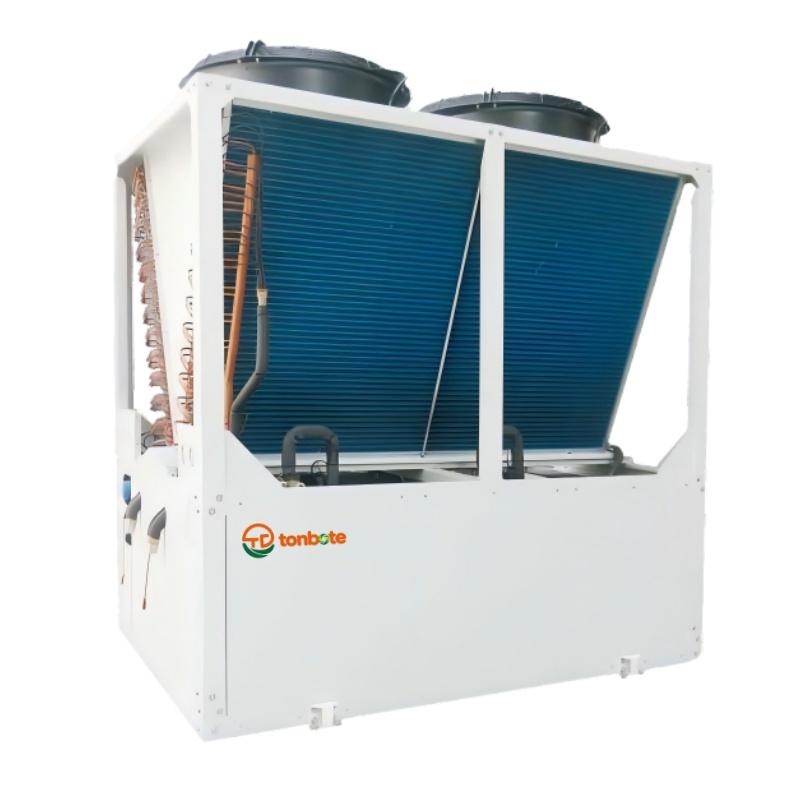
In northern China, where winters can dip to minus thirty, a pre-heating tune-up is less about comfort and more about preventing frozen pipes and cracked heat exchangers. Technicians in Harbin or Shenyang typically start by checking combustion efficiency and clearing soot from burners, then move on to verifying that the condensate drain won't freeze mid-season. A missed step here doesn't just mean a chilly night; it can lead to an entire building losing heat during the worst cold snap.
The southern coast tells a different story. From May onward, Guangzhou and Shenzhen face relentless humidity that turns any neglected drain pan into a breeding ground for mold and bacteria. A spring tune-up in these areas focuses on coil cleaning, refrigerant charge verification, and ensuring that the dehumidification mode actually pulls moisture instead of just cooling the air. Without that extra attention to drainage, the first muggy week can leave a unit smelling like a wet towel left in a gym bag.
Then there are the transition zones—places like Wuhan or Chongqing, where both heating and cooling get used within the same six months. Here, the smart approach is a dual-season checklist: test the reversing valve in heat pump systems, calibrate the thermostat swing, and inspect outdoor coils for corrosion from acid rain. Since these cities often have older building stock, a tune-up also has to account for voltage drops and clogged filters that bigger climate extremes tend to hide.
Balancing Humidity and Temperature in South China’s Hotels
South China’s subtropical climate turns every hotel corridor into a silent battleground where dampness creeps through grout lines and cool air fights a losing war against sticky heat. The real trick isn’t blasting the AC until guests shiver under extra blankets—it’s tuning the building’s skin and breath together. Older properties with thick masonry walls naturally buffer humidity, but modern glass towers trap moisture like a terrarium unless the ventilation runs around the clock, not just when rooms are occupied. Small moves matter: keeping bathroom exhaust fans running for ten minutes after checkout, using ceiling fans to push moist air toward return vents, and setting thermostats to dehumidify before cooling. The goal is a room that feels like a dry, breezy autumn morning even when the street outside is steaming.
One overlooked culprit is the transition zone—lobbies, elevators, and corridors where outdoor air rushes in every time a door swings. A well-placed air curtain or a slightly positive pressure in the guest floor hallway stops that humid slug from traveling down to the rooms. In-room, avoid placing air-conditioning vents directly above the bed; instead, angle them toward windows or entryways to create a gentle circulation that pulls moisture away from sleeping areas. For hotels near the Pearl River Delta or coastal cities, consider installing small dehumidifiers in closets and behind headboards, and choose bed linens and curtains made from moisture-wicking fabrics that don’t cling or smell musty. It’s less about chasing a perfect number on a hygrometer and more about making the air feel honest.
Staff training is the final layer. Housekeeping should know to leave bathroom doors slightly open after cleaning so trapped steam escapes, and maintenance teams need a seasonal checklist—cleaning drain pans, checking condensate lines, and recalibrating sensors before the plum rain season hits. A simple guest-facing card explaining the ideal comfort range (usually 22–24°C with 50–60% relative humidity) turns a potential complaint into a collaborative tweak. When a property gets this balance right, guests stop noticing the climate entirely—and that invisibility is the highest compliment a South China hotel can earn.
Retrofitting Older Systems Without Closing Floors
Upgrading aging infrastructure inside an occupied building rarely leaves room for shutting down entire sections. The real challenge is keeping daily operations running while modernizing behind the scenes. Teams often start by mapping out which legacy components can be isolated without disrupting the surrounding workflow, then phase the work around off-peak hours or staggered zones. This approach keeps the floor active and the retrofit quietly progressing.
One practical tactic is using temporary bypasses or portable distribution points that allow new equipment to be tested while the old system still carries the load. Instead of a hard cutover, technicians can migrate circuits or data paths incrementally, letting staff adapt to changes without a dramatic pause. In many cases, this also means leaving the existing structure intact and running new infrastructure in parallel, only removing the outdated parts once the replacement has proven stable under real conditions.
Communication with the people on that floor matters just as much as the technical work. Short, clear notices about brief interruptions, combined with flexible scheduling that respects their routines, turn a potentially chaotic retrofitting process into a manageable one. The goal isn't just avoiding downtime—it's making the upgrade feel like a natural part of the building's evolution rather than an obstacle to everyone's day.
Spotting Waste Through Hourly Energy Patterns
Hourly energy data often tells a sharper story than monthly totals. A building that draws 40 kW at 2 a.m. on a Tuesday, when only security lights should be active, is likely paying for an air handler or a forgotten server room cooling unit. Plotting each hour against the expected baseline for that day type — weekday, weekend, holiday — makes such anomalies impossible to ignore. One facilities team found a 12 kW spike every night between 11 p.m. and 4 a.m., traced to a parking lot heater that ran on a default timer despite mild weather.
Comparing the same hour across different weeks can separate routine operations from slow drift. A compressor that used to cycle off for 20 minutes each hour now runs continuously at 3 a.m., suggesting a stuck valve or a failing sensor rather than increased demand. The pattern is the clue: waste rarely appears as a sudden jump, but as a gradual loss of the normal dips and pauses that healthy equipment exhibits. Tracking hourly profiles for individual circuits, not just the whole building, turns vague “energy is high” complaints into specific mechanical issues.
The most useful hourly patterns include the ramp-up before occupancy and the shutdown after. If a facility's load drops to near zero at 6 p.m. on weekdays but stays at 35% of peak until 9 p.m. on Fridays, someone is overriding the schedule or leaving production equipment idling. Layering hourly usage against shift calendars and production logs reveals whether that extra load is justified. Waste, in the end, is any hour where consumption outpaces the activity that actually needs power.
Training Staff to Catch Inefficiencies Before Guests Do
Effective training goes beyond teaching staff to react to complaints; it means equipping them to notice subtle problems before a guest ever has to mention them. One practical approach is to run periodic “guest-eye walks” during quiet moments. A small team moves through the dining room, lobby, or corridor as if they were a first-time visitor, checking for things like wobbly tables, dim bulbs, or smudged glassware. This simple routine shifts attention from completing tasks to evaluating the overall experience, which is where most inefficiencies hide.
Another method that works well is the casual “spot three” drill. Once or twice a week, each staff member is asked to note three small issues they noticed during their shift—not major breakdowns, but details that could irritate a guest, like a slow-draining sink, a sticky menu, or a chair that scrapes the floor. The focus is on awareness, not on fixing everything immediately. Over time, this habit trains the brain to scan for friction points automatically, so staff begin catching problems long before they escalate into guest complaints.
Finally, empowerment plays a huge role. It is not enough for staff to see a problem if they feel they need permission to act. Managers should clearly define a range of low-risk fixes that employees can handle on their own—replacing a dead flower, adjusting a thermostat, relocating a poorly placed sign, or fetching a fresh fork before a guest asks. When staff know they are trusted to make these small corrections instantly, the guest experience becomes smoother without any visible interruption, and the whole team develops a sharper eye for inefficiency.
FAQ
Simultaneous heating and cooling caused by poor zoning, stuck valves, or control failures. It tends to appear in transitional seasons when different floors or orientations have very different thermal needs. Watching chilled and hot water loops for unnecessary mixing usually reveals the waste.
Use changeover strategies with wide deadbands and allow buffer zones instead of switching entire buildings at once. Sequencing equipment by outdoor enthalpy rather than calendar dates prevents short-cycling compressors and avoids fighting reheat loads.
Oversized cooling coils or high fan speeds often cool air too fast without removing enough moisture. Lowering chilled water supply temperature or reducing airflow can improve latent heat removal, but only if supply air temperature is watched closely to avoid overcooling.
Fixed setpoints across whole floors waste energy in empty rooms and meeting areas. Using booking data or simple occupancy sensors lets you set back unoccupied spaces, reduce ventilation in unused conference rooms, and direct fresh air to where guests actually are.
Predictive maintenance catches fouling, refrigerant leaks, or approach temperature drift before efficiency drops, but preventive work still matters for belts, filters, and water treatment. Hotels need a blend because unexpected downtime costs far more than the maintenance itself.
Run a full-year load profile that includes domestic hot water demand. Heat pumps tend to make sense where nighttime electricity is cheap and cooling loads dominate, while district heating may be cheaper in northern Chinese cities with reliable heat supply and moderate cooling needs.
Repairing damper actuators, cleaning coils, and resetting static pressure or supply air temperature according to actual load often produce immediate savings. These fixes are cheap compared to replacing equipment and can be done during routine maintenance windows.
Many noise complaints come from fans running at fixed high speed or poorly balanced ductwork. Variable speed drives with soft start and stop, plus acoustic insulation near guest corridors, allow lower nighttime airflow without noticeable temperature swings.
Conclusion
Running hotel heating and cooling in China means moving away from fixed schedules and learning to read both the building and the local climate. Instead of blasting cold air into half-empty corridors, many properties now tie chilled water temperatures and fan speeds to real occupancy numbers pulled from front desk check-ins or key card activity. That prevents the classic complaint of a freezing lobby while upper floors bake. Seasonal tune-ups also need to respect the country's split: a hotel in Harbin might spend October prepping glycol loops for minus-thirty nights, while one in Guangzhou focuses on cleaning condensate drains before the spring humidity hits. In South China, the real battle is moisture. Lowering the temperature too aggressively can make rooms feel clammy and trigger mold on walls, so operators often run dehumidification cycles in the early morning and let the thermostat creep up a degree or two to keep relative humidity below sixty percent. This kind of climate-specific thinking keeps guests comfortable without wasting energy on overcooling.
Older buildings present a different challenge. Rather than closing entire floors for months, engineers retrofit air handling units and valve actuators in short overnight windows, isolating one riser at a time so guests never notice the work. At the same time, hourly energy data has become a cheap detective tool. A sudden spike in fan power at 3 a.m. with low occupancy usually points to a stuck damper or a cracked pipe, not real demand. Building operators who trace those patterns can save a surprising amount before the monthly bill arrives. Equally important is staff training. Housekeeping and front desk teams are told to report noisy fan coils, leaking valves, or rooms that never reach the setpoint, instead of waiting for a complaint. When those front-line observations are combined with data logging and phased retrofits, the result is a hotel that stays comfortable, controls mold risk, and keeps energy costs from eating into the bottom line.
Contact Us
Contact Person: Wanshu Chen
Email: [email protected]
Tel/WhatsApp: +86-13662871206
Website: https://www.mbcee.com