

China CNC Angle Head Supplier: Enhancing Precision and Efficiency in Manufacturing
2026-04-21
In the ever-evolving world of manufacturing, precision tools like CNC angle heads play a pivotal role in driving efficiency and accuracy. As industries worldwide seek innovative solutions to meet complex machining demands, the expertise of specialized suppliers becomes indispensable. Among these, WINNRUI CNC emerges as a key player, offering cutting-edge angle head technology that enhances operational capabilities. This blog delves into how China CNC angle head suppliers, including WINNRUI CNC, are revolutionizing manufacturing processes, enabling businesses to achieve superior results with advanced, versatile tools. Join us as we explore the transformative impact of these precision instruments on modern production lines.
Introducing Precision CNC Angle Heads in Manufacturing
Imagine watching a machinist effortlessly reach into tight corners or maintain perfect alignment on complex multi-sided parts without constantly repositioning the workpiece. That's the power of precision CNC angle heads in modern manufacturing. These versatile tool attachments aren't just add-ons; they're game-changers that allow CNC machines to perform operations from oblique angles, unlocking capabilities once reserved for specialized setups. By enabling milling, drilling, or tapping at 90 degrees or custom angles, they streamline processes, reduce setup times, and minimize errors, making them indispensable for sectors like aerospace, automotive, and medical device production, where complex geometries and tight tolerances are the norm.
Innovative Features of CNC Angle Heads from China
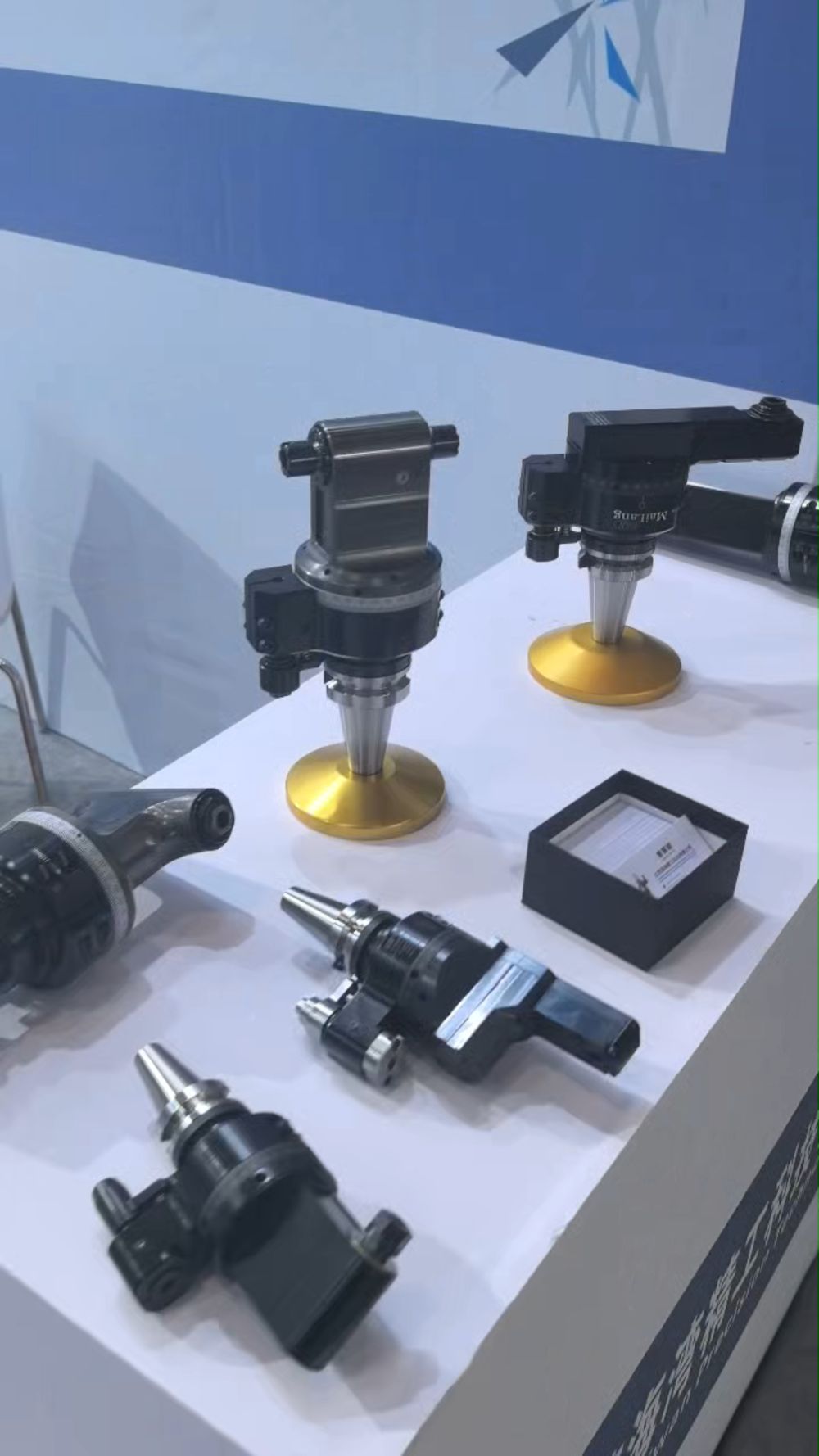
Chinese manufacturers have pushed the boundaries with CNC angle heads by integrating advanced drive systems that deliver exceptional torque and precision. Unlike conventional models, these units often feature compact designs with modular interfaces, allowing seamless attachment to various machine tools. This adaptability enables complex multi-axis machining in confined spaces, reducing setup time and enhancing productivity for intricate components like aerospace parts or medical implants.
Innovations extend to cooling and lubrication technologies, where smart systems optimize fluid flow to prevent overheating during prolonged operations. Many Chinese angle heads now incorporate real-time monitoring via sensors that track temperature and vibration, alerting operators to potential issues before they cause downtime. Such proactive maintenance features are becoming standard, setting these tools apart in industries where reliability is critical, such as automotive or mold production.
A standout aspect is the focus on user-friendly customization, with options for programmable speed control and quick-change tool holders that streamline workflows. By leveraging cost-effective manufacturing processes, Chinese suppliers offer these high-performance features at competitive prices, making advanced machining accessible to smaller workshops. This blend of innovation and affordability is reshaping how shops tackle complex geometries, from prototype development to high-volume runs.
How CNC Angle Heads Boost Production Efficiency
CNC angle heads are game-changers on the production floor, allowing operators to tackle complex machining tasks from multiple angles without repositioning the workpiece. Instead of toggling fixtures or halting operations for manual adjustments, these compact tools enable continuous, simultaneous cutting in tight spaces. This seamless integration reduces downtime and minimizes human error, fostering a more streamlined workflow that accelerates overall cycle times. In fact, manufacturers often report achieving intricate features like undercuts or side holes up to 50% faster than traditional methods, making them indispensable for high-volume, precision-driven industries such as aerospace and automotive.
Beyond speed, angle heads enhance versatility by unlocking access to otherwise unreachable areas on a single setup. Imagine machining a turbine blade's internal cooling channels or an engine block's intricate ports—tasks that once demanded multiple machines or specialized equipment now become feasible with a standard CNC mill. This not only slashes equipment costs but also frees up valuable floor space, empowering smaller shops to compete with larger facilities. Consequently, production lines gain agility, adapting swiftly to custom orders or design tweaks without extensive retooling, which keeps projects on schedule and boosts overall throughput.
Another subtle yet impactful advantage lies in the improved surface finish and tool longevity that angle heads provide. By maintaining optimal cutting angles and reducing vibration, they deliver cleaner, more consistent results, which translates to fewer post-processing steps and lower scrap rates. This precision extends tool life, cutting down on replacement costs and maintenance interruptions. Ultimately, adopting CNC angle heads isn't just about working faster—it's about working smarter, transforming production bottlenecks into opportunities for efficiency that ripple through every stage of manufacturing.
Versatility and Customization Options for Angle Heads
Angle heads are designed to provide exceptional flexibility in machining operations, allowing them to adapt to various applications without significant downtime. Unlike standard tools, these heads can be rotated or angled to reach tight spaces, complex geometries, or hard-to-access areas on a workpiece. This versatility makes them indispensable for tasks such as milling, drilling, or tapping in industries like aerospace, automotive, and medical device manufacturing, where precision and accessibility are paramount. With quick-change mechanisms, users can switch between different angles or attachments seamlessly, enhancing productivity and reducing setup costs.
Customization plays a key role in optimizing angle heads for specific needs. Manufacturers offer a wide range of options, from adjustable tilt angles to specialized coatings that improve wear resistance and lifespan. For instance, you can choose custom lengths, diameters, or cooling systems tailored to your machine's specifications or the material being processed. This level of personalization ensures that every angle head performs optimally under unique conditions, whether it's for high-speed operations or heavy-duty cutting. By selecting bespoke features, businesses can fine-tune their tools for peak efficiency and minimal tool wear over time.
In practice, the adaptability of angle heads goes beyond mere functionality—it transforms how workshops approach complex projects. With modular designs, components can be interchanged or upgraded without replacing the entire unit, allowing for cost-effective scaling as production demands evolve. Innovations like digital interfaces or smart sensors further enhance customization by enabling precise control and real-time adjustments during operation. This blend of versatility and tailored solutions not only boosts performance but also future-proofs investments, making angle heads a dynamic choice for forward-thinking manufacturers seeking to stay competitive in a fast-paced industry.
Practical Applications in Modern Industry Settings
In today's rapidly evolving industrial landscape, practical applications are transforming how businesses operate, driving efficiency and innovation across sectors. For instance, in manufacturing, the integration of IoT devices enables real-time monitoring of machinery, predicting maintenance needs before breakdowns occur. This shift not only reduces downtime but also cuts costs, as companies can schedule repairs during off-peak hours rather than facing unexpected halts. Similarly, in logistics, GPS and RFID technologies streamline supply chains, tracking goods from warehouses to customers with pinpoint accuracy, enhancing transparency and customer satisfaction. By leveraging these tools, industries move beyond traditional methods, adopting data-driven strategies that boost productivity and competitiveness in a global market.
Beyond efficiency gains, modern applications foster sustainability and safety in industrial settings. In energy production, smart grids optimize electricity distribution, balancing demand and supply to minimize waste and reduce environmental impact. This approach supports renewable energy sources like solar and wind, integrating them seamlessly into existing infrastructures. Moreover, in hazardous environments such as chemical plants, advanced robotics and AI systems perform dangerous tasks, protecting human workers from exposure to toxic substances. These innovations underscore a commitment to ethical practices, prioritizing both operational success and societal well-being. As a result, industries not only thrive economically but also contribute to a safer, greener future, aligning with global sustainability goals.
The adoption of these technologies isn't just about incremental improvements; it's redefining industry standards and creating new opportunities. In agriculture, precision farming uses drones and sensors to monitor crop health, applying water and fertilizers only where needed, which conserves resources and increases yields. In healthcare settings, 3D printing produces custom medical implants on-demand, reducing wait times and improving patient outcomes. Such examples highlight how practical applications bridge theory and real-world impact, empowering businesses to innovate continuously. By staying ahead of trends and embracing flexibility, modern industries can adapt to challenges like changing regulations or market shifts, ensuring long-term resilience and growth in an increasingly digital era.
Choosing the Right Supplier for Your Machining Needs
Finding a machining supplier isn't just about comparing prices; it's about forging a partnership that can elevate your project from good to exceptional. Start by evaluating their technical capabilities, such as their expertise with CNC machinery or multi-axis milling, and ask for case studies or samples that showcase their craftsmanship. Don't overlook their responsiveness and communication style—a supplier who actively listens and provides clear updates can prevent costly delays and misunderstandings, ensuring your vision is executed precisely as planned.
Beyond machinery and communication, consider the supplier's reliability and scalability. Check their track record for on-time delivery and quality consistency through client testimonials or site visits. A supplier with robust quality control processes, like regular inspections and certifications, reduces risks and boosts your confidence. Additionally, assess their ability to scale operations if your needs grow, as a flexible partner can adapt to changing demands without sacrificing performance or timelines.
Lastly, delve into their innovation and problem-solving approach. Suppliers who invest in new technologies or offer design optimization suggestions can add value beyond just manufacturing parts. Look for those with a proactive mindset, willing to collaborate on cost-saving measures or material alternatives. By prioritizing these nuanced factors over mere cost, you'll secure a supplier that not only meets specifications but also drives efficiency and innovation in your projects.
FAQ
A CNC angle head allows machining operations to be performed at different angles on a workpiece without repositioning it, enabling access to complex geometries, reducing setup times, and streamlining production processes.
High-precision angle heads ensure consistent accuracy in angled cuts and drills, minimizing errors and rework. This leads to tighter tolerances, better-fitting parts, and reduced scrap rates, which boosts overall product quality and reliability.
Chinese suppliers often offer a strong balance of cost-efficiency and advanced technology. With competitive pricing, robust manufacturing capabilities, and adherence to international standards, they provide reliable solutions that enhance operational budgets without sacrificing performance.
Key features include durable construction materials like hardened steel, high-speed spindle capabilities, precise angular adjustments, compatibility with various machine tools, and effective cooling systems to maintain performance during intensive use.
Yes, many suppliers offer customization options, such as specific angles, spindle configurations, or mounting interfaces. Tailoring angle heads to unique applications can optimize efficiency and address challenging machining tasks directly.
Innovations like improved rigidity, faster setup mechanisms, and integration with smart CNC systems allow for more complex designs and faster production cycles. These advancements support adaptive manufacturing and help businesses stay competitive in dynamic markets.
Conclusion
The emergence of China as a premier supplier of CNC angle heads marks a significant advancement in manufacturing technology, where precision and efficiency are paramount. By integrating high-quality components and innovative designs, these tools enable intricate machining operations that were previously challenging or impossible. The versatility and customization options offered allow manufacturers to tailor angle heads to specific applications, enhancing adaptability across diverse industrial settings. This capability not only improves production outcomes but also reduces setup times and operational costs, positioning Chinese suppliers as key players in the global market for advanced machining solutions.
In modern industry, CNC angle heads from China contribute to streamlined workflows and higher productivity through features designed for durability and performance. Practical applications span from aerospace to automotive sectors, where precise angles and complex geometries are essential. When selecting a supplier, factors such as technical support, reliability, and after-sales service become crucial to ensuring long-term success. By focusing on these aspects, manufacturers can leverage these tools to achieve superior results, reinforcing China's role in driving innovation and efficiency in manufacturing worldwide.
Contact Us
Contact Person: Tim
Email: [email protected]
Tel/WhatsApp: +86 15522553731
Website: https://www.winnrui-cnc.com/