

Carbon-Based Fertilizer Sourcing: Optimizing Procurement for Sustainable Agriculture
2026-08-05
Sourcing carbon-based fertilizers has never been more critical for farms aiming to balance productivity with planetary health. Yet procurement teams often face opaque supply chains that hide the true carbon footprint behind every ton of fertilizer. That’s where Tundrr steps in—by connecting growers directly with verified, low-impact carbon sources, we help turn procurement into a strategic lever for sustainability. In this post, we’ll explore how smarter sourcing can slash emissions while keeping your fields fertile and your budgets intact.
Rethinking Fertilizer Foundations
For generations, the approach to fertilization has leaned heavily on a handful of macronutrients, often treating soil as a passive medium rather than a living system. This narrow focus has led to diminishing returns, where more inputs are required just to maintain yields. A closer look at the soil microbiome reveals a different story—one where nutrient availability hinges on complex biological interactions that synthetic applications can easily disrupt.
Rethinking fertilizer foundations means moving beyond simplistic NPK ratios and consulting the soil’s own chemistry and biology first. By analyzing mineral balances, organic matter dynamics, and microbial health together, growers can identify latent deficiencies and toxicities that conventional tests miss. It’s less about feeding the plant directly and more about creating conditions where nutrients cycle efficiently through soil life, reducing waste and input costs.
This shift demands a renewed curiosity about what’s happening underground. Instead of defaulting to seasonal blanket applications, farmers are starting to use data-driven, site-specific blends that address the unique fingerprint of each field. The result is not just healthier crops, but a resilient soil structure capable of weathering drought and disease—a foundation that doesn’t crumble under the weight of short-term demands.
Sourcing with a Carbon-Conscious Lens
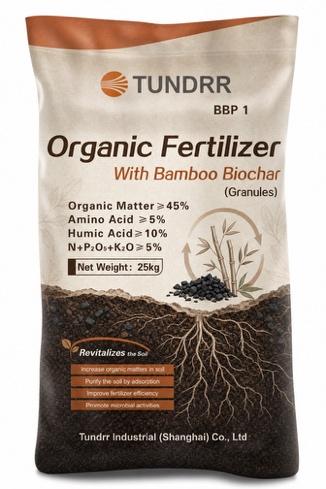
Choosing suppliers isn't just about cost or speed anymore—it's about the carbon trail they leave behind. We dig into the real footprint of materials and manufacturing, asking the uncomfortable questions that most procurement checklists skip. From how raw inputs are extracted to the energy mix powering a factory floor, every link in the chain gets weighed not just on value, but on its atmospheric impact.
This lens shifts priorities in surprising ways. A nearby vendor using older machinery might actually have a heavier footprint than a distant one running on renewables—so we map transport and production emissions side by side. We've found that engaging suppliers in honest conversations about their processes often reveals low-hanging fruit: simple switches in packaging, lighting, or logistics that cut tons of CO2 without hurting the bottom line.
It's not about perfectionism or grand pledges. It's about seeing carbon as a resource to be managed, not an externality to be ignored. By baking this perspective into everyday sourcing decisions, we turn supply chains from a guilt trip into a competitive edge.
Streamlining the Supply Chain for Sustainability
A supply chain built for sustainability doesn't just trim waste—it reshapes how every link operates. Instead of adding layers of checks, we're baking environmental thinking directly into sourcing, production, and distribution. That means favoring suppliers who share a commitment to renewable energy, rethinking packaging to eliminate single-use plastics, and using data to reroute shipments away from carbon-heavy paths. It's a shift from seeing sustainability as a cost to treating it as a design principle.
The real change happens when suppliers become partners in the effort. By working with them to pilot closed-loop systems—where waste from one process becomes input for another—we're cutting emissions in ways that off-the-shelf solutions can't match. Training programs on energy efficiency, joint investments in electric fleets, and shared accountability for ethical labor practices are turning supply chains into living networks that adapt, rather than static pipelines that deplete.
Technology plays its part quietly but decisively. Sensors in transit flag spoilage risks before they become losses, while machine learning predicts demand spikes that used to trigger frantic, wasteful air freight. Even the choice of shipping routes gets recalculated for fuel efficiency and ocean health. It's not about perfection—it's about creating a supply chain that learns, tightens, and regenerates as it grows.
Measuring True Environmental Impact
Many companies tout sustainability metrics that only scratch the surface—carbon offsets, recycling rates, or energy efficiency. But these figures rarely capture the full picture. True environmental impact goes deeper, demanding a look at supply chains, product life cycles, and the hidden costs of raw material extraction. It’s about questioning whether a ‘green’ product still fuels habitat destruction or water scarcity elsewhere.
Measuring this means moving past simple spreadsheets and seeking out the unintended consequences. A bio-based plastic might reduce fossil fuel use but could compete with food crops for land. An eco-friendly brand might neglect the emissions caused by shipping materials across oceans. Real assessment requires systems thinking—connecting dots between what we consume and the ecosystems that bear the burden.
Ultimately, honest measurement disrupts comfortable narratives. It acknowledges that every choice carries trade-offs, and that progress isn't a linear scorecard. Instead of chasing labels, organizations must embrace complexity, invest in transparent audits, and accept that sometimes the most sustainable option is simply to consume less.
Balancing Budgets and Benefits
Striking a harmonious balance between budgets and benefits often feels like walking a tightrope. On one side, there's the relentless pressure to cut costs and tighten fiscal belts; on the other, the undeniable value of investing in benefits that attract and retain top talent. The sweet spot lies in crafting creative, cost-effective perks that deliver genuine well-being without draining resources. For instance, flexible work arrangements cost nothing but yield high satisfaction, while partnerships with local businesses can offer discounts that feel premium yet stay affordable. It’s about being intentional with every dollar, ensuring each expenditure directly supports your team’s engagement and your organization’s financial health.
Many organizations mistakenly assume that bigger benefits demand bigger budgets, overlooking the power of personalization. A one-size-fits-all package often wastes money on underused offerings. Instead, smart managers survey employees to pinpoint what truly matters—be it mental health support, professional development stipends, or additional leave days. By reallocating funds from low-impact perks to these high-value areas, you can amplify satisfaction without increasing the overall budget. This approach transforms benefits from a cost center into a strategic advantage that fuels loyalty and productivity, all while keeping the figures in the black.
Transparency is the invisible glue that holds this balance together. When teams understand the financial constraints and the rationale behind benefit choices, they become partners in the process rather than passive recipients. Open dialogs about trade-offs, such as choosing enhanced telehealth over an on-site gym, foster a culture of shared responsibility. This collective buy-in not only reduces discontent but also sparks innovative ideas for low-cost improvements. Ultimately, balancing budgets and benefits isn't a math problem—it’s an ongoing conversation that, when navigated thoughtfully, strengthens both the bottom line and the team’s bond.
Innovations Shaping Tomorrow's Fields
From labs tucked away in university campuses to bustling startup hubs, a quiet revolution is unfolding. Materials that heal themselves, crops that whisper their needs through sensors, and factories run by learning machines—these are no longer pages from a sci-fi novel. They are early glimpses of how deeply innovation is beginning to plow the soil of every major field. The real magic isn’t in a single breakthrough but in how these advances are being woven together, creating systems that adapt, predict, and evolve.
Consider farming, where drones and data have become as essential as rain and sunshine. Instead of blanket spraying, growers now pinpoint trouble spots in a field, treating only what’s necessary. Meanwhile, in medicine, algorithms sift through decades of research to suggest treatments a doctor might never have considered—not replacing human judgment, but supercharging it. These shifts feel less like sudden jumps and more like a gradual rewiring of how we approach problems.
What stands out is the move away from one-size-fits-all solutions. Energy grids are learning to balance themselves, drawing from scattered solar panels and home batteries as easily as from a central plant. Classrooms are morphing into spaces where students explore virtual worlds to grasp complex ideas. The common thread is a kind of bespoke intelligence—tailored, responsive, and quietly humming beneath everyday life. The fields of tomorrow are being shaped not by loud pronouncements, but by the steady hum of things that simply work better together.
FAQ
Carbon-based fertilizers are derived from organic materials like biochar, compost, or humic substances. Unlike synthetic fertilizers that supply only primary nutrients, they improve soil structure, water retention, and microbial activity while slowly releasing nutrients.
Sourcing these fertilizers directly impacts a farm's carbon footprint and soil health. Reliable procurement ensures consistent access to materials that enhance carbon sequestration, reduce reliance on chemical inputs, and support long-term land productivity.
Common hurdles include limited regional suppliers, inconsistent product quality, higher upfront costs, and a lack of standardized certification. Seasonal availability and logistical constraints in rural areas further complicate procurement.
Buyers should build partnerships with local producers, negotiate long-term contracts to stabilize pricing, and request third-party lab analysis for purity and nutrient content. Diversifying sources and scheduling orders around production cycles also improves supply reliability.
Key factors include feedstock origin, production methods, carbon content verification, consistency in nutrient profiles, compliance with organic or sustainability certifications, and transparent pricing. Evaluating their logistical capabilities and after-sale support is equally important.
These materials add stable organic carbon to the soil, promoting humus formation and microbial biomass. Over time, this buildup increases the soil's capacity to lock away atmospheric carbon, while also improving nutrient cycling and resilience against erosion.
Initial costs may be higher per acre compared to synthetic blends due to production and transport expenses. However, reduced need for frequent applications, lower soil degradation, and potential premium pricing for sustainably grown crops can offset the investment over time.
Decentralized production using farm waste, blockchain for supply chain transparency, and integration with carbon credit markets are gaining traction. Additionally, collaborative networks between growers and suppliers are emerging to streamline regional distribution and quality assurance.
Conclusion
Real change in agriculture starts not in the field, but in the procurement office. Rethinking fertilizer foundations means moving beyond the simple NPK mindset to a model where carbon footprint drives sourcing decisions. By adopting a carbon-conscious lens, buyers can prioritize suppliers who use renewable energy, capture methane, or incorporate organic waste streams. This shift demands a transparent look at production origins—from mined phosphate to ammonia synthesis—and a willingness to favor options that build soil health while trimming atmospheric carbon. The goal is a supply chain where every link, from raw material extraction to on-farm delivery, is scrutinized for its climate impact. Simplifying logistics through regional sourcing clusters and digital platforms not only reduces transport emissions but also builds resilience against disruptions, making the entire system leaner and greener.
True environmental impact goes beyond carbon numbers—it encompasses water use, biodiversity loss, and long-term soil vitality. Procurement teams must learn to weigh these factors with tools like lifecycle assessments, moving past gut feelings to data-backed choices. Balancing budgets and benefits is the tightrope walk; low-carbon fertilizers often come with higher upfront costs, yet they can unlock long-term savings through improved yields, carbon credits, and regulatory compliance. The key is viewing sustainable sourcing not as a premium but as a strategic investment. Innovation is already rewriting the playbook: microbial inoculants, biochar blends, and decentralized production hubs are turning waste into worth. Embracing these shifts means building supplier partnerships that foster joint innovation, where procurement becomes a catalyst for a circular, carbon-smart agricultural system. This isn’t just about buying better—it’s about cultivating a future where every purchasing decision nourishes both crops and the climate.
Contact Us
Contact Person: Ellen Zhang
Email: [email protected]
Tel/WhatsApp: +86(21) 2287 6756
Website: https://www.tundrr.com/en/