

Box-Type Substation Factory: Your Essential Guide to Smart Selection
2026-08-03
Choosing the right box-type substation can make or break your power distribution project. With so many factories claiming top quality, how do you cut through the noise? At Chang Song, we believe smart selection starts with understanding what truly matters — beyond the glossy brochures. In this guide, we’ll walk you through the critical factors often overlooked, so you can invest with confidence and avoid costly mistakes.
Beyond the Brochure: What Truly Defines a Top-Tier Manufacturer
The glossy pages of a brochure can make any factory floor look like a cathedral of innovation, but the real measure of a manufacturer lies in how they handle the moments that never make it into the marketing copy. When a critical component fails or a custom order demands a complete retooling, top-tier manufacturers don’t just react—they’ve already built the kind of supply chain resilience and cross-trained teams that turn potential disasters into minor course corrections. It’s in these unscripted challenges that you see whether a company treats quality as a compliance checkbox or as a living culture that shapes every decision from procurement to final inspection.
Another giveaway is how a manufacturer talks about their own mistakes. The best ones will walk you through their “problem walls”—physical or digital spaces where past failures are dissected, shared, and used to rewrite standard operating procedures. This isn’t the kind of thing that photographs well, but it’s a truer indicator of long-term reliability than any certification list. Look beyond the shiny portfolio of perfect end products and ask how they design for manufacturability in the early stages of a project, or whether their engineers are empowered to push back on a client’s specs if they spot an avoidable flaw. A manufacturer that only follows orders will eventually cost you, while one that acts as a true partner will save you from problems you didn’t even know you had.
Finally, the pace of change today means that a manufacturer’s relationship with technology is far more telling than their current equipment list. Top performers aren’t just buying the latest machines; they’re building the in-house expertise to adapt, modify, and even develop their own solutions when off-the-shelf tools fall short. This might look like a quiet corner of the plant where a small team is testing a new sensing system or refining a material-handling process that nobody outside the building will ever see. It’s not the kind of innovation that lands on a spec sheet, but it’s precisely what allows them to consistently deliver on the promises the brochure makes.
Inside the Engineering: How Smart Designs Boost Reliability
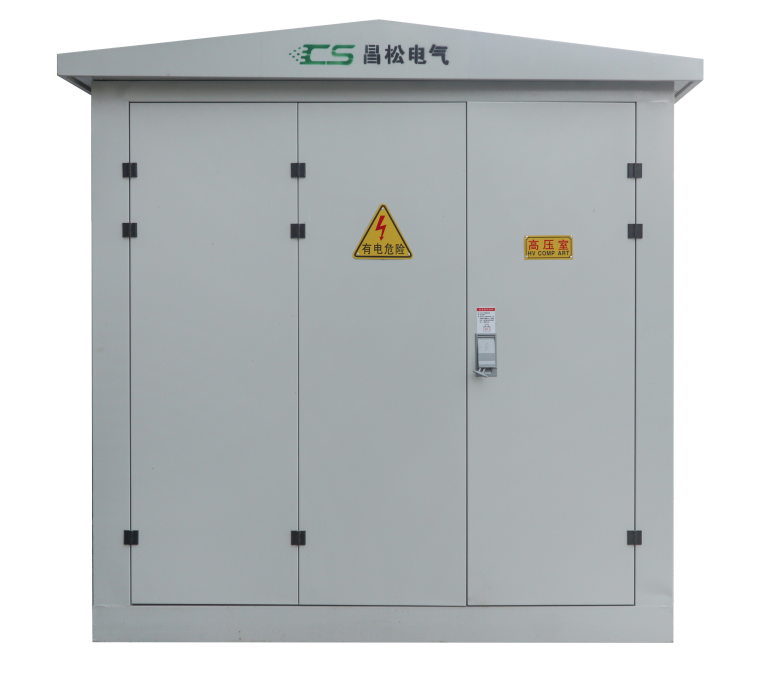
Reliability isn't added at the end—it's engineered from the start. Smart design choices like component derating, where parts are operated well below their maximum ratings, dramatically extend lifespan. By carefully analyzing stress factors and thermal profiles, engineers can select components that handle real-world conditions with a generous safety margin, preventing premature failures that plague less thoughtful designs.
Another cornerstone is redundancy, implemented not as simple duplication but through clever architectures. For instance, voting circuits in critical systems allow multiple components to agree on outputs, instantly detecting and isolating faults. This isn't merely having a backup; it's creating a system where failures self-correct without human intervention, often leveraging diversity in design to avoid common-mode failures.
The physical layout itself plays a pivotal role. Techniques like controlled impedance routing, proper grounding strategies, and thermal management are invisible guardians of long-term performance. A board designed with minimal crosstalk and optimized heat dissipation doesn't just meet specs on day one—it continues to perform reliably year after year, weathering environmental stressors that would cripple a poorly planned layout.
Tailoring Your Substation: Options That Match Unique Project Needs
Every energy project comes with its own set of demands—whether it's a compact urban infill site, a remote renewable installation, or an industrial facility with highly specific voltage requirements. Rather than forcing a one-size-fits-all design, modern substation solutions offer a flexible toolkit of configurations, protection schemes, and form factors. This means you can dial in everything from physical layout to control system architecture, ensuring the final installation fits not just the electrical spec but also the spatial, environmental, and operational constraints of the site.
Customization extends well beyond picking a pre-approved package. Engineers can adapt busbar arrangements for reliability targets, choose between gas-insulated, air-insulated, or hybrid technologies, and integrate advanced digital monitoring only where it adds real value. For harsh climates, enclosures and cooling methods are tailored to handle extreme temperatures, dust, or corrosive atmospheres without over-engineering. The goal is to align every component—from transformers and switchgear to auxiliary systems—with how the substation will actually be built, maintained, and expanded over its service life.
Getting to that ideal match means early collaboration between the project owner, consultants, and manufacturers. Detailed load-flow studies, fault-level analyses, and future growth scenarios guide the core electrical parameters, while site visits and logistics assessments shape the physical design. The result is a substation that feels purpose-built, not adapted—minimizing unnecessary costs, streamlining installation, and supporting long-term asset management in a way that off-the-shelf solutions rarely achieve.
Why Rigorous Testing Matters: Ensuring Long-Term Performance
Durability isn’t a feature you can bolt on after development—it’s something you have to bake in from the start. That’s where thorough testing earns its keep. By pushing components beyond their expected limits and simulating years of wear in a compressed timeframe, we uncover vulnerabilities that design reviews alone would miss. It’s not just about catching the obvious flaws; it’s about identifying the subtle fatigue points that only surface when materials and code are stressed in ways nobody predicted.
Think of it as a necessary interrogation of every assumption made during the build. Without that pressure, even clever engineering can degrade into a customer’s headache six months down the line. The goal isn’t perfection on day one—it’s reliable performance on day one thousand. That means consistent behavior under variable loads, predictable degradation patterns, and a crystal-clear understanding of exactly when and how a system will eventually fail, so you can plan around it.
From Delivery to Operation: Streamlining the Setup Process
The moment equipment arrives, the clock starts ticking toward operational readiness. By pre-configuring system parameters and preparing integration protocols beforehand, teams can cut the typical deployment window by more than half. This proactive approach eliminates the scramble that often follows delivery, allowing technical staff to move directly into validation rather than initial configuration.
Cross-functional coordination plays a decisive role in smoothing the path from unboxing to live status. When operations, engineering, and facilities teams align on a shared timeline and clearly defined handoff points, bottlenecks dissolve. Checklists and dry runs become simple tools that prevent the common missteps of incomplete wiring, missing software licenses, or overlooked safety procedures.
The final stretch demands precise documentation and immediate knowledge transfer. Instead of leaving a gap between installation and actual use, smart teams embed training within the setup phase. This transforms the process into a hands-on learning experience, ensuring that by the time the system goes live, the operators are already comfortable with it—reducing post-deployment hiccups and building confidence from day one.
The Next Generation: Innovations Shaping Compact Power Solutions
As devices shrink and performance demands soar, the pressure on power systems to deliver more in less space has never been greater. Traditional bulky transformers and silicon-based components are giving way to gallium nitride (GaN) and silicon carbide (SiC) semiconductors, which switch faster, waste less energy as heat, and enable power adapters and converters that are a fraction of the size. This shift isn't just about miniaturization—it's about rethinking thermal management and circuit topology to push power densities to levels that were unthinkable just a few years ago.
Beyond materials, the next wave of innovation lies in advanced battery chemistries like solid-state and lithium-sulfur, which promise higher energy densities in safer, thinner formats. Paired with intelligent power management ICs that adjust delivery in real time, these compact solutions are already reshaping wearables, medical implants, and electric vehicles. The convergence of high-frequency switching, novel pack designs, and embedded intelligence is setting a new standard where compact doesn't mean compromised, but rather unlocks entirely new product categories.
FAQ
A box-type substation, often called a compact or pad-mounted substation, is a prefabricated unit that integrates transformer, high/low voltage switchgear, and auxiliary equipment into a weatherproof enclosure. Unlike traditional substations that require separate buildings and extensive civil works, these units are factory-assembled, drastically reducing on-site installation time and footprint.
Specialized factories offer pre-engineered and tested solutions that ensure reliability right out of the box. You gain from shorter lead times, consistent quality control, and the ability to customize protective features and layouts without starting from scratch. They also provide post-installation support that general electrical contractors may struggle to match.
Start with your load profile—peak demand, future expansion plans, and the nature of the load (motor, lighting, etc.). The factory’s technical team typically helps you size the transformer in kVA, select the appropriate switchgear rating, and decide on the enclosure type (metal or concrete) based on your environment, whether urban, coastal, or heavy industrial.
Insist on ISO 9001 for quality management and relevant product standards like IEC 62271-202 for prefabricated substations. Depending on your region, local utility approvals or compliance with IEEE/ANSI standards are also critical. A factory that routinely exports will have international type-test reports, giving you confidence in performance under fault conditions.
Reputable factories offer extensive customization. Beyond voltage levels and transformer impedance, you can specify cable entry direction, internal layout for ease of maintenance, integrated automation, or even anti-corrosion finishes for harsh environments. Always request a 3D layout drawing during the quotation stage to avoid installation surprises.
Underestimating environmental conditions is a big one—forgetting to specify rodent protection or adequate ventilation can lead to failures. Another pitfall is neglecting to clarify warranty terms on the transformer core. Always include a factory acceptance test in your contract, and verify that the supplier uses genuine, traceable components rather than unbranded subcomponents.
Conclusion
Choosing the right box-type substation factory goes far beyond glossy brochures and bold claims. A top-tier manufacturer distinguishes itself through a blend of engineering depth, customization agility, and proven quality control. Look for teams that embed reliability into every design decision—from thermal management and fault-tolerant layouts to the selection of durable components that can withstand harsh environments. Smart designs don’t just meet specifications; they anticipate real-world stresses, reducing downtime and extending service life. Equally important is the ability to tailor solutions precisely: whether you need a compact unit for a tight urban infill site or a ruggedised configuration for an offshore wind farm, the factory should offer flexible layouts, adaptable protection schemes, and integration-ready interfaces without compromising performance. This level of responsiveness signals a partner, not just a supplier.
Behind the scenes, rigorous testing separates dependable substations from those that might fail prematurely. Full-scale type tests, partial discharge measurements, and thermal cycling trials provide the confidence that your asset will perform year after year. Once testing is complete, a streamlined delivery and commissioning process—think factory pre-commissioning, plug-and-play connections, and clear handover documentation—slashes on-site time and cost. Forward-thinking manufacturers are also embracing the next generation of compact power solutions: solid-state switching, IoT-enabled condition monitoring, and eco-friendly insulation mediums are redefining what’s possible in footprint, efficiency, and sustainability. By weighing engineering robustness, customisation scope, testing rigour, and innovation readiness, you transform the selection process from a transactional purchase into a strategic investment in long-term energy resilience.
Contact Us
Contact Person: Tonglun Chen
Email: [email protected]
Tel/WhatsApp: 8618906642555
Website: https://www.cncsele.com