
Bill of Lading Database Platform: Optimizing Worldwide Supply Chain Visibility
2026-04-02
In a world where global supply chains grow increasingly complex, the ability to track shipments in real-time isn't just an advantage—it's a necessity. Enter the 'Bill of Lading Database Platform', a game-changer for businesses seeking to optimize worldwide supply chain visibility. From reducing delays to enhancing security, this digital transformation empowers companies to navigate international logistics with unprecedented clarity. At Tendata, we're pioneering solutions that turn raw data into actionable insights, helping you stay ahead in a competitive market. Ready to explore how this technology can revolutionize your operations? Let's dive in.
Enhancing Real-Time Tracking in Global Logistics
Imagine you're shipping a critical component for a manufacturing plant overseas, and you can pinpoint its exact location at any moment—whether it's on a cargo ship crossing the Atlantic or being unloaded at a busy port. That's the power of real-time tracking in global logistics today. By leveraging advanced technologies like Internet of Things (IoT) sensors and satellite communication, companies can monitor shipments with unprecedented accuracy, reducing uncertainties and enabling proactive problem-solving. This isn't just about knowing where your goods are; it's about gaining insights into transit times, environmental conditions, and potential delays, transforming logistics from a reactive to a predictive operation.
One key aspect that sets this apart is the shift from periodic updates to continuous, live data streams. Unlike older systems that might provide snapshots every few hours, modern tracking solutions feed information directly into cloud-based platforms, accessible via mobile apps or dashboards. This real-time visibility allows logistics managers to optimize routes on the fly, coordinate with customs officials more efficiently, and even adjust inventory levels based on imminent arrivals. For example, if a shipment is running behind due to weather, stakeholders can immediately reroute or reschedule, minimizing disruptions and enhancing customer satisfaction through transparent communication.
Looking ahead, the future of real-time tracking is poised to integrate machine learning and AI algorithms for even smarter logistics. These systems can analyze historical data to predict optimal shipping paths, flag potential risks before they escalate, and automate alerts for anomalies like temperature deviations in perishable goods. By blending hardware innovations with data analytics, businesses are not just tracking shipments—they're building resilient supply chains that adapt dynamically, ensuring goods move seamlessly across borders while cutting costs and boosting reliability in an increasingly interconnected world.
Streamlining Documentation with Smart Data Integration
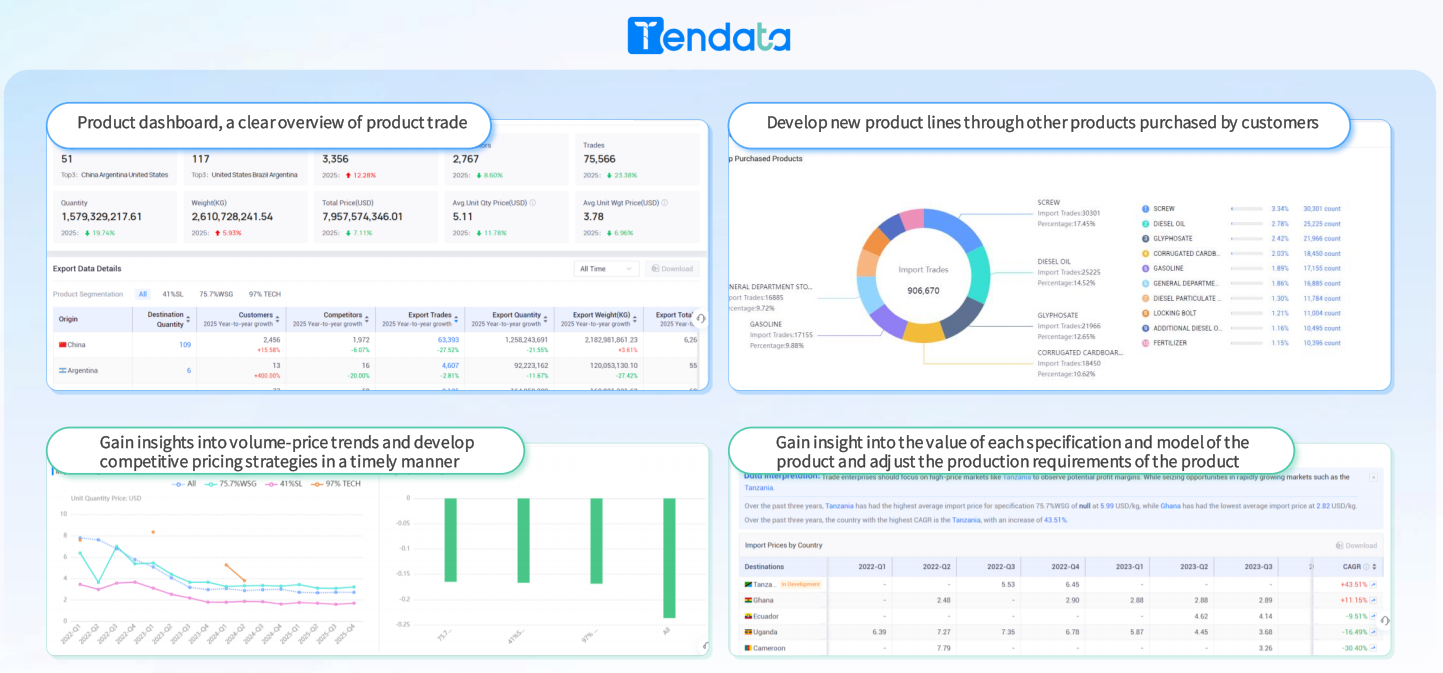
Streamlining documentation processes through smart data integration can transform how organizations manage and utilize information, making it more accessible and actionable. By connecting disparate data sources—such as databases, APIs, and real-time feeds—into a unified framework, businesses can automate the creation and updating of documents, reducing manual effort and minimizing errors. This approach not only saves time but also enhances accuracy, ensuring that stakeholders always have access to the latest and most relevant information.
One key advantage of this strategy is its ability to adapt to dynamic environments, where data changes frequently. For instance, in industries like finance or healthcare, integrating live data streams directly into documentation tools allows for instant updates to reports, compliance records, or client summaries. This eliminates the lag associated with traditional methods, where information might become outdated before it's even published. As a result, teams can make faster, data-driven decisions, improving overall efficiency and responsiveness to market or regulatory shifts.
Beyond efficiency gains, smart data integration fosters collaboration by providing a single source of truth that all team members can rely on. When documents are automatically populated with verified data, it reduces inconsistencies and disputes, enabling smoother workflows and better alignment across departments. Moreover, this integration can be customized to include analytics and insights, turning static documents into interactive resources that offer deeper value. By embracing these technologies, organizations not only streamline their documentation but also position themselves to innovate and stay competitive in an increasingly data-centric world.
Boosting Efficiency Through Predictive Analytics Tools
In today's fast-paced business environment, staying ahead often means anticipating what comes next. Predictive analytics tools leverage historical data and advanced algorithms to forecast trends and outcomes, allowing organizations to streamline operations and reduce wasted efforts. For instance, a retail chain might use these tools to predict inventory needs, minimizing stockouts and overstock situations. By turning raw data into actionable insights, companies can make proactive decisions that cut costs and enhance productivity.
These tools aren't just for large corporations; small businesses can also benefit significantly. With user-friendly platforms available, teams can analyze customer behavior patterns to tailor marketing campaigns more effectively. A local cafe, for example, could predict peak hours and optimize staff scheduling, leading to smoother service and happier patrons. This adaptability ensures that resources are allocated where they're most needed, fostering a leaner, more agile workflow.
Moreover, predictive analytics extends beyond day-to-day tasks into long-term strategic planning. By simulating various scenarios, leaders can assess risks and opportunities, such as market shifts or new product launches, well in advance. This foresight enables quicker responses to changes, keeping businesses competitive and resilient. Over time, integrating these tools cultivates a culture of data-driven decision-making, where efficiency gains compound and innovation thrives, ultimately driving sustainable growth.
Fostering Collaboration Across International Partners
In today's interconnected global landscape, fostering collaboration among international partners is no longer a luxury; it's an imperative for driving innovation and achieving sustainable growth. By establishing robust channels of communication and leveraging diverse perspectives, organizations can create synergies that transcend geographical boundaries. This approach enables the pooling of resources, knowledge, and expertise to tackle complex global challenges, from climate change to economic disparities, in ways that would be impossible in isolation.
What sets successful collaborations apart is their ability to cultivate genuine trust and mutual respect from the outset. This involves moving beyond mere transactional interactions to build lasting relationships rooted in shared values and goals. For instance, joint ventures that prioritize cultural sensitivity and equitable decision-making tend to yield more resilient outcomes, as they empower all parties to contribute meaningfully without fear of being overshadowed. Such partnerships often thrive on regular, transparent dialogues that adapt to evolving circumstances, ensuring alignment and fostering a sense of collective ownership.
Ultimately, the impact of these collaborative efforts extends far beyond immediate project results. They inspire a ripple effect, encouraging broader networks to engage in similar cooperative endeavors, thereby amplifying positive change on a global scale. By championing inclusivity and flexibility, organizations can transform potential barriers—like language differences or regulatory hurdles—into opportunities for creativity and innovation, paving the way for a more collaborative and prosperous future.
Securing Cargo Data with Advanced Encryption Techniques
When it comes to protecting sensitive cargo information, cutting-edge encryption methods have become a game-changer, ensuring that data stays secure from origin to destination. Unlike basic security measures, advanced techniques leverage algorithms like AES-256 or RSA, which scramble data into unreadable formats unless decrypted with a specific key. This means that even if hackers intercept transmissions—whether through GPS tracking, shipping manifests, or inventory logs—the information remains locked away, safeguarding against theft or manipulation. For logistics companies, this isn't just about compliance; it's a strategic move to build trust with clients and avoid costly breaches that can disrupt global supply chains.
Diving deeper, one standout approach is homomorphic encryption, which allows computations on encrypted data without needing to decrypt it first. Imagine a scenario where customs authorities need to verify cargo contents for regulatory checks without exposing sensitive details—this technique enables secure, real-time analysis while keeping data protected. Coupled with blockchain integration for immutable audit trails, these innovations create a layered defense that adapts to evolving threats. By moving beyond traditional firewalls, businesses can ensure that every piece of cargo data, from temperature readings to transit times, is shielded with precision, making operations not only safer but also more efficient and transparent.
Implementing these advanced techniques isn't a one-size-fits-all process; it requires a tailored strategy based on the cargo's nature and risks. For perishable goods, for instance, encryption might prioritize real-time sensor data to prevent spoilage alerts from being tampered with. Regular updates and employee training are crucial, as human error can still pose a vulnerability. Ultimately, by embracing such sophisticated encryption, the logistics industry can future-proof its data management, turning security into a competitive advantage that fosters innovation and reliability in an increasingly digital world.
Adapting to Market Changes with Flexible Platform Updates
Keeping pace with market shifts demands more than just reactive tweaks; it requires a platform built on adaptability from the ground up. By integrating flexible updates, businesses can swiftly respond to emerging trends, customer feedback, or regulatory changes without overhauling their entire system. This agility not only minimizes downtime but also ensures that your operations remain competitive and relevant, whether you're navigating a sudden surge in demand or adjusting to new industry standards.
Beyond mere technical adjustments, flexible platform updates foster a culture of continuous improvement and innovation. When teams can easily implement new features or modify existing ones, they're empowered to experiment and iterate rapidly. This proactive approach allows organizations to stay ahead of the curve, turning potential disruptions into opportunities for growth and differentiation in a crowded marketplace.
Ultimately, embracing flexible updates transforms how a platform evolves, making it a dynamic partner rather than a static tool. This strategic alignment with market dynamics not only enhances user experience but also builds long-term resilience, ensuring that as the business landscape evolves, your platform remains a reliable and forward-thinking asset.
FAQ
It provides real-time tracking and updates of shipment documents to enhance transparency across global supply chains.
By centralizing bill of lading data, it reduces delays and errors, allowing companies to make quicker decisions.
Its advanced analytics tools predict potential disruptions, helping businesses proactively adjust their logistics strategies.
Shippers, freight forwarders, and logistics providers gain significant advantages in optimizing operations and reducing costs.
It tackles issues like fragmented data sources and lack of real-time updates, enabling seamless information flow.
Through encrypted protocols and regular audits, it maintains high standards of data integrity and protection.
By streamlining document handling, it cuts administrative overhead and accelerates shipment processing times.
Conclusion
The Bill of Lading Database Platform revolutionizes global supply chain visibility by seamlessly integrating real-time tracking and smart data solutions. It enhances logistics efficiency through predictive analytics, enabling proactive decision-making and streamlined documentation processes. By fostering collaboration across international partners, the platform ensures smooth operations and adapts quickly to market changes with flexible updates. This comprehensive approach not only boosts overall supply chain performance but also addresses the complexities of worldwide trade with precision and agility.
Moreover, the platform prioritizes security by employing advanced encryption techniques to protect sensitive cargo data, mitigating risks in an increasingly digital landscape. It empowers stakeholders with actionable insights, driving innovation and resilience in logistics networks. Through its user-centric design and robust features, the system optimizes visibility from origin to destination, helping businesses navigate challenges and capitalize on opportunities in a dynamic global market. Ultimately, it sets a new standard for reliability and transparency in supply chain management.
Contact Us
Contact Person: Grace
Email: [email protected]
Tel/WhatsApp: +86 18721992033
Website: https://www.tendata.com