
Best LLLT for Hair Loss: Effective Treatments and Devices
2026-07-23
Hair loss can be frustrating, but low-level laser therapy (LLLT) is proving to be a game-changer. With so many devices on the market, finding the right one is key. That’s where GUANG TAI comes in—our advanced LLLT solutions are designed for real results. In this guide, we’ll explore the most effective treatments and devices to help you reclaim thicker, healthier hair.
Why Low-Level Light Therapy Works for Thinning Hair
At the cellular level, thinning hair often traces back to sluggish follicles that have entered a prolonged resting phase. Low-level light therapy (LLLT) taps into a natural mechanism called photobiomodulation, where specific wavelengths of red and near-infrared light are absorbed by cytochrome c oxidase in mitochondria. This energizes the cells, prompting them to produce more ATP—the fuel needed for hair growth. The boost in cellular metabolism helps shift follicles from dormancy back into an active growth phase, strengthening the hair shaft and encouraging thicker, healthier strands over time.
Beyond just energizing cells, LLLT also improves circulation in the scalp. The light triggers the release of nitric oxide, which causes the tiny blood vessels that supply the follicles to widen. Better blood flow means more oxygen and nutrients reach the hair roots, creating an environment where struggling follicles can recover and produce stronger hair. This effect is similar to how plants thrive when their roots receive consistent, nutrient-rich watering—except here, light is the catalyst that rejuvenates the delivery system.
What makes this method particularly appealing is that it works without the systemic side effects or daily routine commitments common to many other treatments. The process is non-invasive, painless, and fits seamlessly into a weekly self-care regimen. While individual results vary, the underlying science—boosting cellular energy, reducing local inflammation, and extending the growth phase of the hair cycle—offers a logical, physically grounded reason why consistent use can slow shedding and visibly improve density for many people.
What to Look for in a Quality LLLT Device
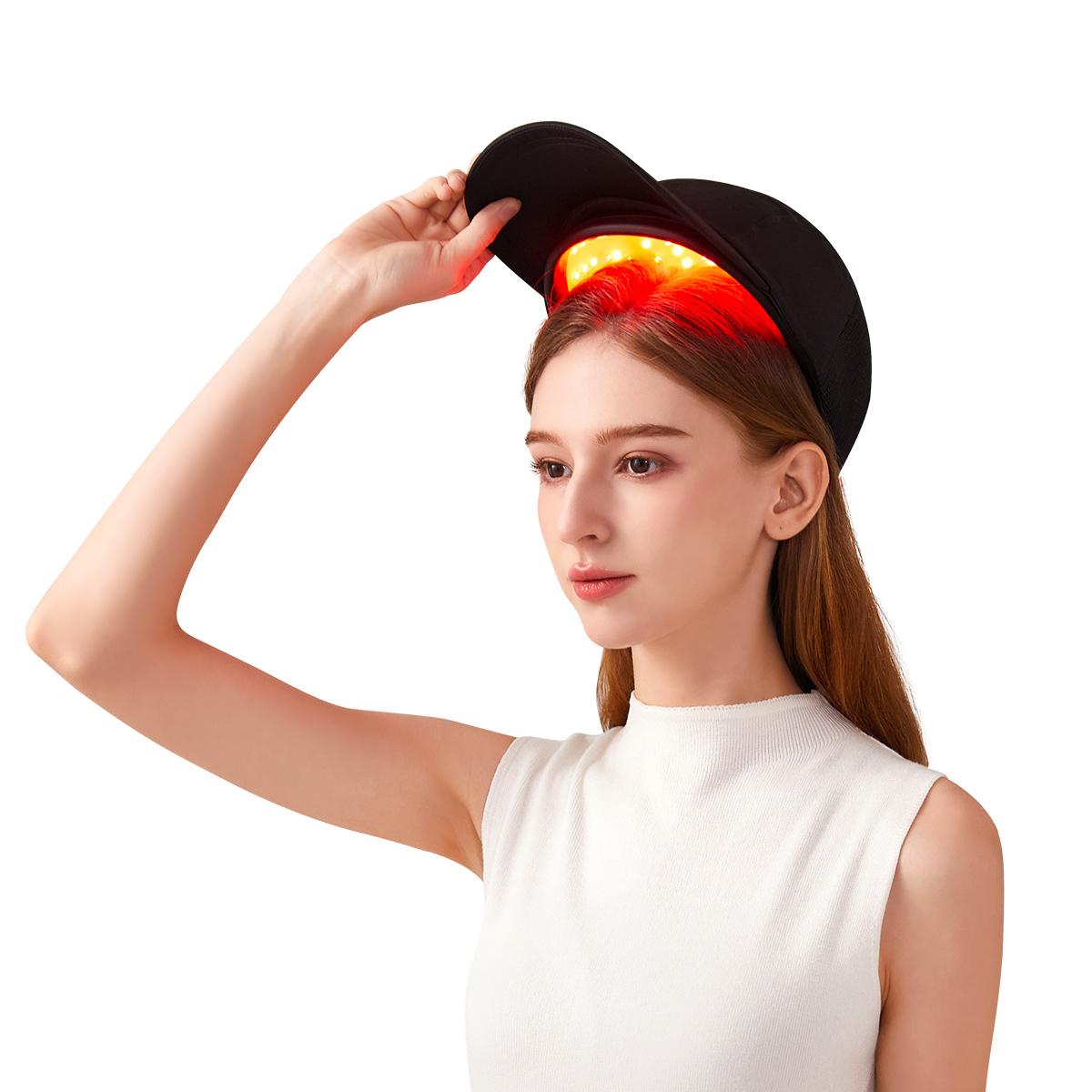
When you start comparing low-level laser therapy devices, it’s easy to get lost in the numbers. A reliable device should clearly state its wavelength and power output—most therapeutic benefits happen in the 600–1000 nm range, with 650 nm and 808 nm being common choices backed by research. But numbers alone aren’t enough; you want a device that delivers a consistent power density (often measured in mW/cm²) because uneven energy distribution can mean some areas get too little light to trigger a response while others get too much, leading to skin warming that bypasses the photobiomodulation you’re after.
Beyond the specs, pay attention to the build and safety certifications. A quality device will have a sturdy, medical-grade feel and ideally carry independent testing marks like FDA clearance or CE certification, which indicate it’s been vetted for both safety and performance claims. Little things—like a comfortable grip, a clear treatment timer, and lightweight design—also matter because if the device feels like a chore to use, you’re far less likely to stick with it long enough to see results.
Top Picks for At-Home Hair Regrowth
Finding the right at-home hair regrowth solution can feel like navigating a maze of empty promises. That’s why we’ve cut through the noise to spotlight devices and treatments that combine real innovation with user-friendly design. Our selections focus on tools that have shown genuine results for hair thinning, whether through clinically backed light therapy or advanced serum formulations that nourish the scalp without harsh chemicals.
Each pick is chosen based on ease of use, consistency, and how well it integrates into a daily routine. For example, laser caps and combs that require just a few minutes of hands-free treatment have become frontrunners for busy individuals. Meanwhile, natural growth serums with ingredients like rosemary oil and biotin offer a gentle yet effective approach. The idea is to give you options that don’t demand a complete lifestyle overhaul, yet still deliver visible improvements over time.
What sets these products apart is their emphasis on scalp health as the foundation for regrowth. Rather than promising overnight miracles, they support the hair’s natural cycle, reducing shedding and encouraging thicker strands with consistent use. From micro-needling kits that boost absorption to high-quality nutrition-based supplements, the common thread is a holistic, science-driven method that actually respects your hair’s biology.
How to Fit Light Therapy into Your Routine
Adding light therapy to your day doesn't have to feel like a chore. The simplest trick is to tie it to something you already do without thinking—like sipping your morning coffee or catching up on emails. Place the lamp on your desk or kitchen table, switch it on, and let it work while you go about your usual rhythm. Those 20 to 30 minutes pass surprisingly fast when your hands are busy and your mind is elsewhere.
Another approach is to treat it as a subtle anchor for winding down or powering up. If mornings are rushed, try using the lamp during a mid‑afternoon lull to beat the slump without reaching for another cup of coffee. The key is not to be rigid; even 15 minutes here and there can nudge your internal clock in the right direction. Over time, your body starts to expect that gentle dose of brightness, making it feel less like a treatment and more like a natural pause in your day.
Realistic Results: What Users Actually See
When someone lands on a page, they’re not looking for fluff or filler—they want the real deal. The content that loads, the images they see, and the way the layout responds all shape that first impression. It’s about what actually renders on their screen, not the ideal version you pictured during design. Slow loading elements, broken layouts, or text that doesn’t wrap right can make even the most polished strategy feel sloppy. Realistic results mean acknowledging that what you built might look different on a phone with patchy wifi than it does on your high-end monitor.
Users rarely notice perfect code or clever frameworks—they notice when something feels off. Maybe a button is too hard to tap, or a form takes forever to submit. These real-world snags are the true test of a page’s effectiveness. Taking an honest look at how content performs under everyday conditions reveals where the experience breaks down. It’s not about chasing a flawless score, but about making sure the average person can interact without frustration.
LLLT vs. Other Hair Loss Remedies: A Quick Comparison
When people start losing hair, they quickly discover a maze of options: foams you rub in, pills you swallow, and even surgery. Low-level laser therapy (LLLT) sits somewhere in the middle—it’s a wearable or in-office device that bathes your scalp in cold laser light, aiming to recharge tired follicles. Unlike minoxidil, which you have to apply religiously twice a day and often dread due to scalp irritation, LLLT demands much less daily fuss. And while finasteride can effectively block DHT, it comes with a list of potential side effects that make many guys pause. LLLT doesn’t mess with your hormones, so you won’t find yourself worrying about systemic issues.
Of course, nothing beats the instant density of a hair transplant, but that procedure is expensive, painful, and leaves you waiting months to see real growth. Many people try natural remedies like rosemary oil or scalp massage, which are gentle but often underwhelming in severe cases. LLLT offers a middle ground: it’s backed by a decent pile of clinical studies, it’s non-invasive, and you can do it at home while watching TV. The downside? It works slowly—expect 3-6 months before noticing less shedding—and it doesn’t work for everyone, especially if follicles have been dormant too long.
What makes LLLT stand out is compatibility. You can easily pair it with other treatments without worrying about interactions. Plenty of people use it alongside minoxidil or PRP sessions to give their regimen a boost. The devices have shrunk from bulky clinic-exclusive hoods to sleek caps and helmets, making them a subtle option for the privacy-conscious. Just keep your expectations realistic: LLLT is more about fortifying what you have than resurrecting a long-lost hairline.
FAQ
Low-level laser therapy, or LLLT, uses specific wavelengths of light to stimulate hair follicles. It's thought to boost cellular activity and circulation in the scalp, which can nudge dormant follicles back into the growth phase. Many users see it as a non-invasive way to slow shedding and encourage thicker strands over time.
They all use the same basic technology, but form factor changes the experience. Caps tend to be hands-free and cover the whole scalp in one session, while combs let you part hair for closer contact—good for targeted areas. Handheld units can be more affordable and portable, though you'll need to move them around manually for even coverage.
Patience is key. Most people start seeing less shedding after 3 to 4 months of consistent use, but visible regrowth usually takes at least 6 months. Full results often appear after a year. Skimping on session frequency tends to delay things, so sticking to the recommended schedule matters more than rushing the process.
It's not an either-or situation for everyone. LLLT works differently—it's physical stimulation rather than chemical—so it can complement meds well. Some people do use it solo and maintain their hair, especially in early thinning, but if your loss is aggressive, combining treatments often yields the best outcome. It's wise to talk to a specialist before ditching prescriptions.
Focus on laser diode count and wavelength rather than fancy extras. A device with around 200–300 medical-grade diodes and 650 nm wavelength tends to deliver solid energy output without breaking the bank. Also check for FDA clearance, a decent warranty, and real user reviews that show before-and-after consistency. Avoid gadgets that skimp on power just to hit a lower price point.
LLLT is generally very low-risk. The light doesn't generate heat, so burns aren't an issue, and there's no UV exposure. Some users might notice a slight tingling or temporary scalp rash when first starting, but that's rare. People with photosensitivity conditions or those on certain meds should clear it with a doctor just to be safe.
Manufacturers usually recommend every other day or three times a week, sessions lasting 10 to 25 minutes. Consistency beats marathon sessions—overdoing it won't speed up results and might just irritate your scalp. Most devices come with auto-shutoff timers so you won't accidentally overuse. Find a rhythm that fits your routine and stick with it.
Absolutely. Studies and user experiences show both sexes respond to LLLT, especially for androgenetic alopecia. In women, the diffuse thinning pattern often responds well to cap-style devices that cover the entire crown. Hormonal differences can mean women see slower initial progress, but long-term results are comparable. It's worth noting that if hair loss is caused by something else like iron deficiency, LLLT alone won't fix the root issue.
Conclusion
Low-level light therapy has gained traction as a gentle, research-backed approach for thinning hair. The principle is simple: red and near-infrared light energize sluggish hair follicles, boosting circulation and kickstarting the growth phase. This isn’t a magic overnight fix, but consistent use can gradually thicken existing strands and spur new growth. When shopping for a device, it’s easy to get swayed by flashy marketing. Instead, focus on wavelength range (ideally in the 630–670 nm and 830–860 nm sweet spots), adequate power output, and FDA clearance to ensure you’re getting a clinically relevant dose. Hands-free options like helmets and caps dominate the market because they treat the entire scalp evenly while letting you go about your day. Our top picks include the HairMax LaserBand for its medical-grade lasers and iRestore Professional for its blend of power, comfort, and safety certifications—both have strong track records among users.
Weaving LLLT into your daily life is easier than you’d think. Most devices recommend 10- to 25-minute sessions every other day, so it can be as routine as brushing your teeth or watching a show. Real-world expectations matter: after about 3–4 months you’ll typically notice less shedding, and by 6–12 months many see visible fill-in at the temples and crown. Results vary, but patience pays off. Compared to finasteride or minoxidil, LLLT stands out for its side-effect-free profile—no sexual dysfunction, heart palpitations, or scalp irritation. For those wary of medications or looking to squeeze more gains from a transplant, it’s a logical add-on. Keep in mind it works best in early to moderate thinning; advanced baldness won’t magically reverse. Still, when combined with a healthy lifestyle, it holds its own as a practical, long-term maintenance strategy.
Contact Us
Contact Person: Leon Yi
Email: [email protected]
Tel/WhatsApp: +86 17363316873
Website: https://zzgt.en.alibaba.com/