

Best Diesel Generator Set: Choosing the Perfect Power Solution for Your Needs
2026-06-30
Power outages can strike without warning, leaving businesses and homes in the dark. That’s why finding the best diesel generator set is more than a purchase—it’s a commitment to reliability. At Hichai Power, we understand that every need is unique, and choosing the right unit can feel overwhelming. But what if the perfect match is simpler than you think? Let’s dive into what really matters when selecting a generator that won’t let you down.
Fueling Your Power Needs: Why Diesel Stands Out
Diesel engines have earned their reputation the hard way—by delivering unstoppable torque when it matters most. Unlike gasoline alternatives, they pull heavy loads without breaking a sweat, making them the backbone of industries that can’t afford downtime. From construction sites to remote generators, that low-end grunt keeps operations humming when others stutter.
There’s a certain peace of mind that comes with a fuel source built for endurance. Diesel doesn’t just burn; it waits—stable, safe, and ready for months on end. When emergencies knock, whether it’s a blackout or a supply chain pinch, having a tank full of this long-lasting energy feels less like a choice and more like a quiet guarantee.
The real magic, though, happens at the pump and in the pocket. More miles per gallon, fewer trips to refuel, and an engine that often outlasts the frame it’s bolted to—diesel stretches every dollar without demanding pampering. It’s not about flashiness; it’s about showing up, day after day, with raw efficiency that simply works.
Decoding Generator Specs Without the Headache
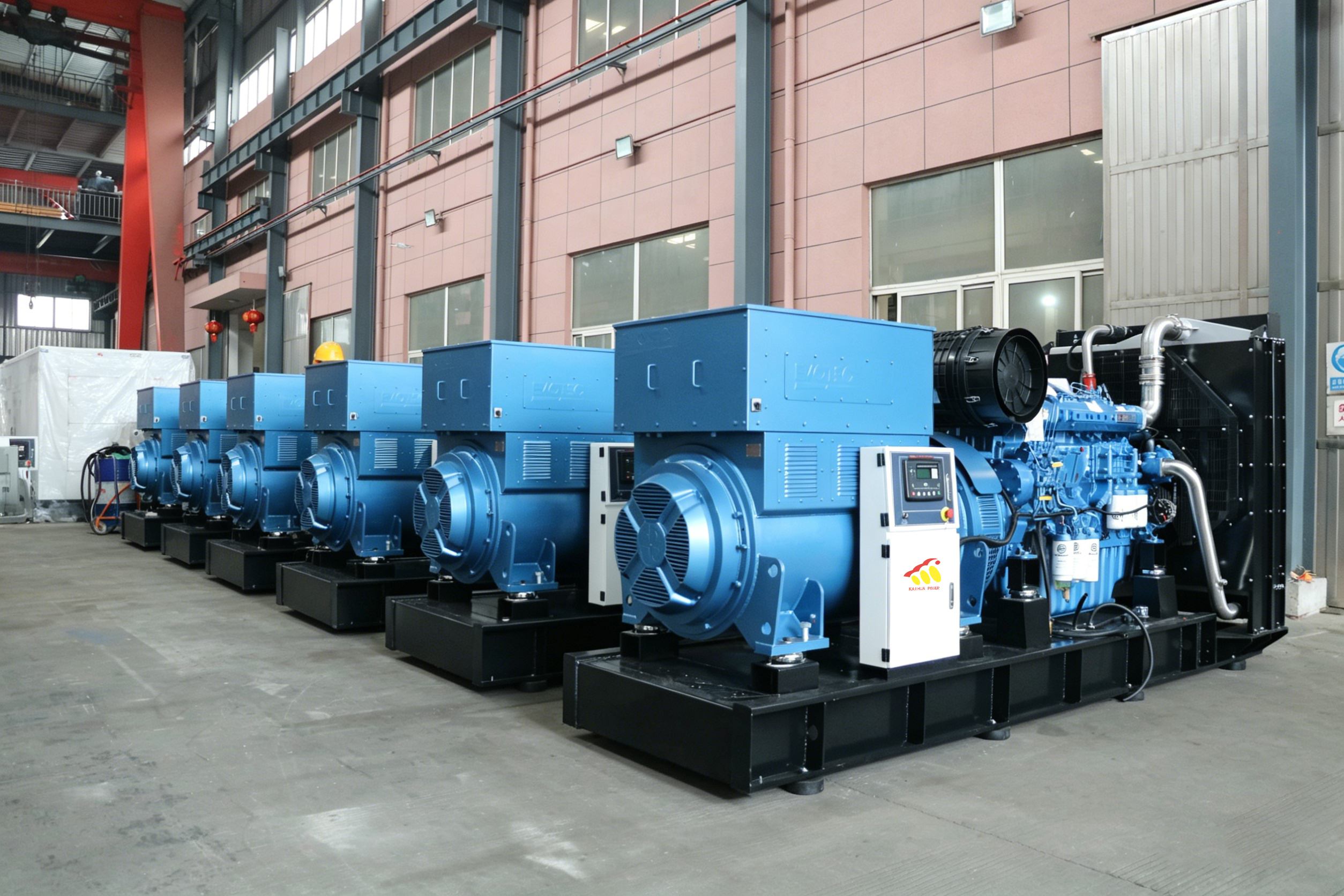
Generator spec sheets can look like a foreign language, but they don’ have to be intimidating. Instead of fixating on every number, start with the two that actually shape your decision: starting watts and running watts. Running watts keep your essentials humming along—think lights, fridge, and a laptop charger—while starting watts handle the extra surge when things like a pump or power tool kick on. Skip the jargon about THD or engine displacement for now; just match those two numbers to what you’ll plug in, and you’re already ahead of most buyers.
Once you’ve got the wattage basics down, filter out the fluff by focusing on the outlet layout and fuel type. A generator with a single 120V outlet might be fine for tailgating, but useless for backing up a home circuit. Look for a mix of 120V and 240V options, and check whether the twist-lock or RV-ready port matches your setup. Fuel choice is the unsung hero: dual-fuel units give you flexibility during shortages, while inverter models quietly sip gas and play nice with sensitive electronics. If the specs lean hard on “peak” performance without clarifying runtime at half load, treat it like a red flag.
Finally, ignore the horsepower wars and focus on real-world usability. Noise ratings in dBA matter more than engine size if you’re camping or in a neighborhood with ordinances. Weight and wheel kits aren’t just convenience—they dictate whether you’ll actually bother to move the thing when a storm hits. A compact 50-pound inverter might serve you better than an 200-pound open-frame beast that sits gathering dust because it’s a hassle to deploy. The best generator isn’t the one with the most impressive spreadsheet; it’s the one you’ll actually use when the lights go out.
Silence Isn't Golden: Noise Levels That Actually Matter
Most people assume a perfectly quiet workspace is the ideal. Yet research keeps pointing to a sweet spot of ambient sound, around 70 decibels, where creativity and focus actually peak. It's less about absolute silence and more about masking distracting spikes — the sudden phone call, the clatter of a dropped mug. A steady hum, like that of a coffee shop, provides just enough background to let the brain settle into a productive rhythm without slipping into sensory deprivation.
What matters isn't minimizing noise overall, but controlling the type and consistency. In open-plan offices, the real drain comes from intermittent speech and unpredictable sounds, not the overall volume. Adding a layer of neutral sound, like white or pink noise, can smooth out those peaks and make the environment feel less intrusive. Some environments even benefit from a richer soundscape — gentle music or nature sounds — which can reduce stress markers and help people sustain attention on complex tasks.
When Size Matters: Matching Output to Real Demand
Factories often run full tilt without asking if anyone actually needs what they’re making. The result is warehouses crammed with unsold goods, capital tied up in inventory that slowly loses value. It’s a silent drain that looks like productivity on paper but masks deeper inefficiency—energy burned, raw materials consumed, and labor spent on products that might never find a buyer. The mismatch isn’t just a logistics headache; it’s a fundamental misreading of market signals that erodes margins over time.
Trimming output to align with genuine demand forces a healthier rhythm. Instead of pushing product and praying for sales, operations can breathe, adjusting in smaller batches that reflect actual consumption patterns. This shift cuts storage costs and reduces the need for fire-sale discounts. More importantly, it builds resilience—when production mirrors what people truly want, disruptions cause fewer ripples. The challenge is getting honest data and trusting it enough to ignore the old instinct that more is always better.
Beyond the Purchase: Maintenance That Won't Break the Bank
When you bring home a new appliance or piece of tech, the real cost hasn't even shown its face yet. It's the upkeep that catches people off guard—the subscription you didn't know you needed, the proprietary parts that cost a kidney, or the routine service that somehow triples in price after year one. Smart ownership means staring down that hidden price tag before you ever swipe your card.
Look for items that let you do the small fixes yourself. A well-placed YouTube tutorial and a $10 tool can save you hundreds over time, but only if the company hasn't locked you out with software barriers or non-standard screws. Some brands actively support repair guides and sell affordable replacement parts, while others make you feel like you're performing open-heart surgery just to change a filter. That upfront research pays off every time something rattles loose.
And don't sleep on the power of community wisdom. Forums and owner groups are treasure troves of workarounds, durable third-party alternatives, and maintenance schedules that actually match reality—not just the manufacturer's wishful thinking. Sometimes the most budget-friendly move is learning that a generic $20 filter outperforms the branded one, or that cleaning a sensor yourself takes five minutes and no special skills. The goal isn't to avoid spending entirely; it's to keep the ongoing costs so boringly predictable that your wallet barely notices.
Future-Proofing: Diesel Generators in a Green World
Diesel generators have long been the backbone of reliable backup power, but as the world pushes toward decarbonization, their role is being reexamined. Rather than being phased out entirely, these workhorses are evolving to fit into a greener energy landscape. The key lies not in replacing them overnight, but in integrating them smartly with renewable sources and cleaner fuels. Hybrid systems that pair diesel generators with solar panels and battery storage, for instance, can slash fuel consumption while ensuring uninterrupted power when the sun isn’t shining or the wind isn’t blowing.
Another critical avenue is the shift toward biodiesel and synthetic fuels. Modern diesel engines can already run on blends of biodiesel without modification, and some are being designed to handle pure biodiesel or even hydrogenated vegetable oil (HVO). These drop-in replacements drastically cut net carbon emissions without sacrificing performance. Meanwhile, advances in digital monitoring allow operators to run generators only when absolutely necessary, optimizing load and reducing idle time. It’s a pragmatic approach: accept that diesel gensets will remain in use for years, but make them cleaner, smarter, and part of a broader eco-friendly strategy.
Ultimately, future-proofing diesel generators isn’t about denial—it’s about adaptation. In remote areas, critical infrastructure, and industries where power failure is not an option, they provide a level of reliability that renewables alone can’t yet match. By retrofitting existing units with emission-control technology, supporting circular economy practices through remanufacturing, and viewing them as transitional tools rather than permanent solutions, businesses can maintain resilience while moving steadily toward net-zero goals. The green world won’t be built in a day, and diesel generators—reinvented—can help bridge the gap.
FAQ
Diesel generators are known for their durability and fuel efficiency under continuous loads. They fire up reliably even after long idle periods, thanks to the simpler ignition of diesel fuel. For homes or businesses where outages aren’t just inconvenient but costly, the longevity and lower operating cost over time make them a solid bet.
Start by listing every appliance or tool you’ll run during an outage and tally their starting and running watts. Don’t just buy the biggest one—oversizing wastes fuel and can lead to wet stacking. A slight buffer over your calculated load (maybe 10–20%) is smart, but a candid chat with a local installer often nails the sweet spot.
Generally, yes. Diesel packs more energy per gallon, and the engines run hotter and slower, squeezing more work out of each drop. They also tend to outlast gasoline units in heavy-cycle scenarios. That said, for tiny, sporadic loads, a small gasoline inverter generator might sip less fuel simply because the engine isn’t overkill.
Look past raw wattage. A good automatic transfer switch saves you fumbling in the dark. Brushless alternators reduce maintenance hassles. Sound-attenuated enclosures keep neighbors happier. If you’re off-grid or in a remote spot, remote monitoring and a robust cold-start kit become dealbreakers. Don’t undervalue a straightforward control panel, either.
Absolutely—if you match it with the right protection. Modern pure sine wave inverter generators clean up the power beautifully. For conventional diesel sets, a high-quality line-interactive UPS or a power conditioner between the generator and your gear filters out spikes and frequency wobbles. Treat the generator’s output with a bit of conditioning, and your electronics will stay safe.
Routine care isn’t drastic but skimping gets expensive. Oil and filter changes every 200–500 hours, fuel system checks, and coolant top-ups are the mainstays. If it sits unused for months, run it under load monthly to chase out moisture and keep seals supple. A neglected unit can fail just when you need it most, so a basic service schedule pays for itself.
For many households, the answer shifts with circumstance. If your area sees long blackouts or you run a home office, the reliability becomes priceless. A cheaper portable gasoline unit might suffice for occasional fridge-and-lights duty. But if you plan to stay put for a decade and want peace of mind, a well-installed diesel set often outlasts two or three small gas generators, making the upfront sting easier to swallow.
Buying on price alone is a classic pitfall—a noisy, bare-bones unit that angers the whole street. Ignoring fuel storage needs leads to stale diesel gelling in winter. People also forget about installation logistics: a concrete pad, proper grounding, and exhaust routing. And perhaps the sneakiest error is not testing under real load, then discovering their ‘big enough’ generator trips the breaker when the well pump kicks in.
Conclusion
Finding the right diesel generator set hinges on balancing immediate power demands with long-term practicality. Diesel engines earn their reputation not just through rugged reliability but by delivering consistent high-torque output where gasoline units falter—particularly in extended outages or heavy-load starts. Instead of drowning in technical jargon, focus on two figures: the continuous rating (what the generator can handle 24/7) versus its peak surge capacity. A model that strains to meet your peak loads will cost more in repairs down the line. Noise isn't a trivial comfort detail; a unit boasting a 65 dB(A) rating at 7 meters may turn into an intolerable neighbor dispute if placed near living spaces, while enclosures and sound-attenuated designs can drop that by 10 dB or more. Sizing correctly means auditing actual wattage needs—adding up realistic starting surges for motors and compressors—rather than buying the biggest available, which guzzles fuel and under-loads the engine, causing wet stacking.
But the decision stretches beyond the initial purchase. Modern diesel gensets demand far less hands-on upkeep than their predecessors, with extended oil-change intervals and self-diagnostic systems that flag issues before they escalate. A maintenance plan centered on regular fuel polishing and coolant checks will keep costs predictable and prevent emergency call-outs. Looking ahead, the diesel generator landscape is steadily incorporating renewable-ready features: hybrids that pair with solar inverters, compatibility with hydrotreated vegetable oil (HVO) fuels, and advanced emission scrubbing that meets tightening regulations. By choosing a set that supports these transitions, you are not just solving today's power instability—you are investing in a resilient backbone that adapts as energy ecosystems evolve.
Contact Us
Contact Person: Ms. Lu
Email: [email protected]
Tel/WhatsApp: 8618917899306
Website: https://www.hichaipower.com