

Abrasive Supplier: How to Find Quality Materials for Your Next Project
2026-09-28
Ever ordered abrasives that looked fine on paper but failed on the first pass? You're not alone. The gap between a supplier's claims and the actual material performance is where most projects go sideways. At SHENZHEN SUN ABRASIVES, we believe you shouldn't have to gamble on grit, bonding, or consistency. This article breaks down the practical steps to spot a quality abrasive supplier—so your next project runs smoother from start to finish.
Match the Abrasive to the Job, Not Just the Price Tag
A cheap disc that glazes over after three minutes is not saving anyone money. When you pick an abrasive based only on the sticker price, you end up with more heat, slower cutting, and a pile of half-used discs that should have been tossed after the first pass. On stainless or hard alloys, that bargain aluminum oxide wears out long before the job is done, forcing constant changes and leaving a finish that needs extra work.
The real trick is reading the material and the pressure you plan to apply. Zirconia and ceramic grains hold up far better on tough metals because they fracture to expose fresh cutting edges instead of going dull. For wood or softer surfaces, a sharp silicon carbide or a stearated aluminum oxide does the job without burning the surface. Grit sequence matters too: jumping from 60 to 120 too quickly means you will spend more time trying to remove deep scratches than you saved by skipping a step.
Once the abrasive matches the workpiece, the price conversation changes. Fewer disc swaps, less rework, and a consistent finish add up faster than any line-item discount. A premium disc that lasts three times as long and runs cooler usually costs less per finished part than a budget option that fades in half the time. That is the difference between buying a tool and actually getting the job done.
Ask for the Spec Sheet and Actually Read It
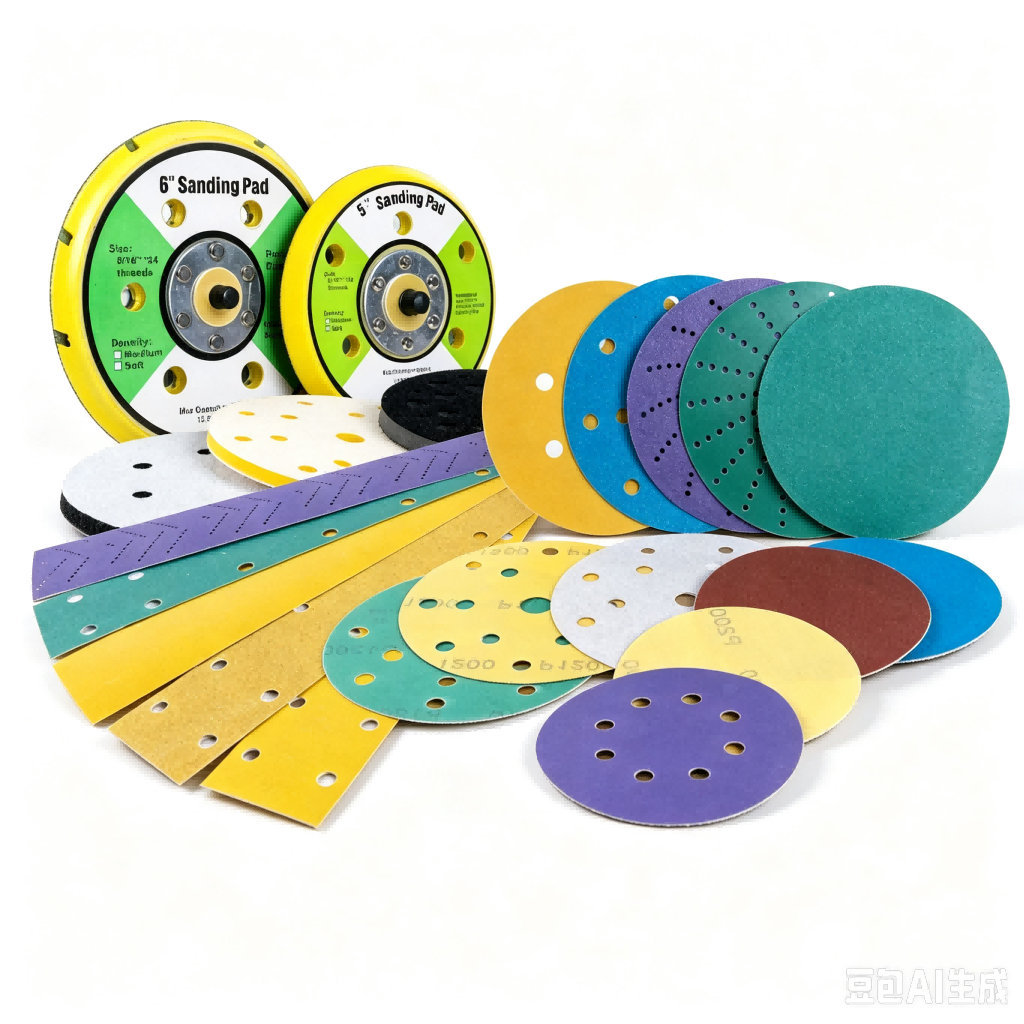
Most buyers glance at a product photo, skim the bullet points, and hit purchase. That's how you end up with a refrigerator that doesn't fit through the doorway or a laptop with half the ports you needed. The spec sheet exists for a reason, and the people who actually read it are the ones who rarely return things. Ask for it before you commit, not after the box arrives.
A real spec sheet goes beyond marketing fluff. It tells you exact dimensions, material composition, power consumption, and sometimes the unglamorous caveats buried in fine print. I've caught mismatched voltage requirements and misleading load capacities simply by spending five minutes with the PDF the seller didn't think I'd open. That five minutes has saved me hundreds in return shipping and restocking fees.
Don't rely on the summary table everyone copies from the manufacturer's homepage. Request the full engineering document or the user manual's technical section. Compare it against your actual space, your existing cables, your regional standards. If the seller won't provide it, that's your answer. Walking away from a vague listing is cheaper than discovering a non-returnable incompatibility on delivery day.
Order a Sample Kit Before Committing to a Bulk Buy
Jumping straight into a bulk order without testing the product first is a gamble most businesses can’t afford. A sample kit lets you inspect the actual material quality, color accuracy, and overall finish before you commit thousands of dollars. Even if the supplier has glowing reviews, your specific use case may demand something different — a slight variation in density, texture, or sizing can ruin your project. By ordering samples first, you protect yourself from costly mismatches and avoid the headache of returning or discarding a large shipment.
Another overlooked benefit of sample kits is that they reveal how the supplier handles small requests. If they ship samples slowly, package them poorly, or ignore your questions about minor details, that’s a red flag for how they’ll manage a full production run. On the flip side, a supplier who treats a sample order with care — clear labeling, fast communication, and a follow-up note — is far more likely to deliver consistent quality at scale. This trial run becomes your due diligence, helping you build a shortlist of reliable partners before any large payment leaves your account.
Finally, samples give you room to iterate without pressure. You can request tweaks to color, weight, or dimensions and see the revised version before signing off on a bulk purchase. This back-and-forth might add a week or two to your timeline, but it eliminates the risk of mass-producing something that doesn’t meet your standards. In the long run, the small cost of a sample kit is nothing compared to the money and time lost on a bad bulk buy.
Check How the Supplier Handles Consistency Lot to Lot
A supplier that takes lot-to-lot consistency seriously keeps detailed records of every raw material batch, including its source, date of receipt, and any test results before it enters production. They don’t rely on vendor certificates alone; they verify incoming materials through internal sampling and compare those values against historical data to spot subtle drift. The production formula stays locked, but even minor adjustments—like blending time, temperature, or mixer speed—are logged so each lot can be traced back to exact conditions.
Beyond in-process checks, the supplier should pull retention samples from each finished lot and run them through the same analytical panel used for release. These retained samples are stored under controlled conditions so that if a customer reports an issue months later, the supplier can re-test the exact material that shipped. A tight specification range isn’t enough; the real test is whether the supplier plots results on control charts and investigates any point that trends too close to the edge, rather than waiting for an out-of-spec failure.
Finally, ask how the supplier handles a lot that doesn’t match the established profile. The strongest answer involves quarantining the material, documenting the root cause, and sharing a corrective action plan—not quietly blending it away or shipping it with a hope. If possible, request a copy of a recent batch record or a summary of lot-to-lot variability data for the specific product you’re buying. That level of transparency tells you more than any certificate can.
Look Beyond the Warehouse: Delivery Times and Stock Reliability
A warehouse full of pallets can create a false sense of security. What actually shapes the customer experience is how quickly an order leaves the dock and whether that item is truly available when the system says it is. Delivery windows slip for reasons that have nothing to do with shelf counts—carrier delays, regional bottlenecks, or a last-minute stock correction that turns a 'ready to ship' label into a backorder notice.
Stock reliability is rarely a static number. A product may show 200 units on hand at 6 a.m., then drop to zero by noon if a bulk order hits the same inventory pool. Suppliers who quote aggressive lead times can suddenly push dates out when raw materials stall, leaving your own promises to customers exposed. The teams that handle this well treat warehouse data as a starting point, not a guarantee, and keep a buffer or a backup source for items that tend to move unpredictably.
In practice, this means looking at the entire pipeline from purchase order to doorstep. Ask how often stock counts are reconciled, what happens when a delivery misses its slot, and whether the system flags low-stock items before they become urgent. A fast warehouse with sloppy data will still disappoint more often than a slower one with honest, up-to-date visibility.
Build a Relationship, Not Just a Transaction
A transaction ends the moment money changes hands. A relationship keeps going long after that. The difference isn't about being friendlier or sending a holiday card. It's about whether you treat the person across from you as a one-off sale or as someone whose goals, constraints, and preferences you actually understand. If you only engage when there's something to sell, people notice. They feel like a number. But when your first instinct is to help—even if there's no immediate payout—you lay the groundwork for decisions that aren't driven by price.
Think about the last time you recommended a business to a friend. You probably didn't do it because their invoice was formatted well. You did it because they listened, remembered details, or made a difficult process easier without being asked. That's the quiet power of relationship-building. It reduces the need for discounts, because people pay for certainty and care, not just a product. It also gives you permission to be honest—to say "this isn't the right fit" or "wait six months"—which builds more trust than a dozen polished pitches.
The shift isn't complicated. It starts with asking better questions and actually retaining the answers. Follow up not because your CRM tells you to, but because you remembered they were launching a project or struggling with a vendor. Make introductions, share relevant articles, offer a second opinion. Over time, people stop comparing you to competitors. You become the default because you've shown that your interest doesn't expire after the invoice is paid. That's when a transaction becomes something far more durable: a relationship worth keeping.
FAQ
Look for suppliers who share detailed technical data sheets, not just product names. A reliable partner will ask about your substrate, pressure settings, and finish requirements before recommending anything. They should also have a clear returns policy for inconsistent batches.
Request a small sample batch and run it on a test piece that matches your actual workpiece. Pay attention to grain uniformity, bonding strength, and how much material is removed per pass. If the supplier hesitates to provide samples, that's usually a sign to keep looking.
Certifications aren't everything, but they help. Look for ISO 9001 or similar quality management credentials, and check if the abrasives meet ANSI, FEPA, or JIS grading standards. However, don't ignore smaller suppliers who may not have the paperwork but consistently deliver precise products.
Ask about the source of their raw materials, how they handle batch-to-batch consistency, typical lead times, and whether they offer technical support after purchase. Also find out if they can provide references from companies doing similar work.
Start by filtering for suppliers who specialize in your specific process—whether that's surface grinding, deburring, or polishing. Then call two or three of them and explain your project in plain terms. The one who asks the most informed questions is usually worth prioritizing.
Local suppliers can offer faster delivery and easier returns if something goes wrong, but online distributors often have wider catalogs and better pricing for high-volume orders. A hybrid approach works well: use a local source for urgent, small orders and an online partner for planned bulk purchases.
Watch out for vague product descriptions, missing safety data sheets, or prices that seem too good to be true. If a supplier can't explain the difference between their own product and a cheaper alternative, or if their responsiveness drops after the first inquiry, it's best to walk away.
Yes, and that's often where they earn their reputation. A strong supplier will collaborate on grain type, grit sequence, and backing material to match your finish goals. They should be willing to test different combinations and provide honest feedback rather than just pushing their most expensive product.
Conclusion
Finding a dependable abrasive supplier means looking past the lowest bid and checking whether the material actually fits the tool, the substrate, and the finish you are chasing. A cheap disc that loads up in ten seconds or leaves deep scratches is no bargain. Ask for the spec sheet and read the grit size, backing weight, bond type, and any coating details. Then order a small sample kit and run it on your own machines before signing off on a pallet. That step alone catches mismatches that look fine on paper but fail on the floor.
Once the abrasive passes your test, dig into how the supplier maintains consistency from one production lot to the next. A supplier that cannot explain its batch controls will eventually ship you a different cut rate halfway through a job. Also check delivery times and stock depth: a great price means little if the warehouse is always two weeks out and you are holding up a customer. Finally, treat the relationship as more than an invoice. A good supplier learns your process, flags product changes, and keeps backup options ready when a grit or backing gets discontinued. That kind of attention usually saves you more money than chasing another percentage point off the unit price.
Contact Us
Contact Person: Amanda Wang
Email: [email protected]
Tel/WhatsApp: +86-13602569854
Website: https://www.sunabrasives.com.cn